





AI in Entertainment: The Standing Ovation, Awkward Silences, and Jokes Nobody Gets
If you’ve browsed social media lately, you’ll know that artificial intelligence is no longer content to linger in the backend, writing automatable emails or recommending cat videos you’ve already seen five times. Nope, AI is chasing the spotlight—singing on Billboard, starring in dramas, and telling jokes at Rodney’s Comedy Club. The entertainment industry is transforming faster than a comedian dodging tomatoes—just ask everyone who thought their job was safe as long as they could hit a note or tell a joke.
Virtual Virtuosos: AI Artists Rocking the Charts—and the Boat
Let’s kick things off with Xania Monet, an AI-generated artist who refuses to fade quietly into the background music. Monet’s chart debut—straight onto Billboard’s Adult R&B Airplay—has stoked a war of words: purists rally behind “real” musicians, while others marvel at how a poet from Mississippi, Telisha “Nikki” Jones, can channel loss, love, and lyrics into a machine, producing smash hits with the Suno AI platform. If you’re picturing a robot in sunglasses and a fedora, swap that out for a more existential question: if AI can sing from the soul, who’s left holding the microphone?
Industry veterans like Tristan Douglas and Grammy-nominated artists have voiced concern: will AI sideline flesh-and-blood talent who have spent years perfecting their craft? Jones, meanwhile, frames Monet as an “extension of herself”—proof that creativity isn’t dead, just differently (and programmatically) alive. Some critics claim the process is a shortcut; supporters argue AI widens the stage for underrepresented voices who might never get a conventional big break. The debate is more heated than a karaoke night at a computer science convention.
Lights, Camera, Algorithm: AI in Film and Microdrama
If music is feeling the impact, video and film are positively reeling. Enter Video Rebirth, a Singapore-based company that recently raised $50 million to perfect its generative video platform with the grand aim to make the leap from consumer novelty to Hollywood-quality production. The ambition: to solve age-old problems of motion consistency, lighting, and physical realism—things human directors lose sleep over, and AI models can crunch out between coffee breaks.
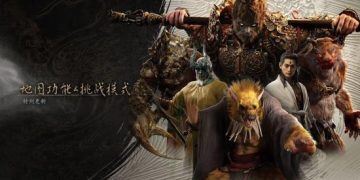
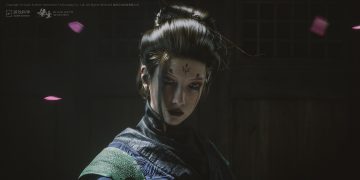
Across the globe, creators like Chen Kun in China are leveraging AI platforms to pump out microdramas—snackable episodes that delight millions while igniting copyright and job security panic among screenwriters and actors. Chen’s “Strange Mirror of Mountains and Seas” is crafted from digital brushstrokes, with AI scripting, image generation, and scoring. While the plots may twist like an M. Night Shyamalan movie—sometimes nonsensically—viewers are hooked, even overlooking uncanny faces. It’s fast, cheap, and, according to optimistic industry insiders, just the first act of a new era. But for aspiring prompt engineers, it’s a brave new world; for concept artists, it often feels like their own job title just got buffed out in post-production.
Comedy Gets Smart: Blockchain, Jokes, and Rodney’s Digital Laughs
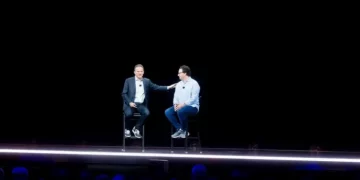
Meanwhile, technology isn’t just sitting in the corner quietly giggling—it’s rewriting the rules of the world’s oldest profession: making people laugh. Datavault AI’s partnership with Rodney’s Comedy Club aims to turn every punchline into a monetizable digital asset. Through tools like VerifyU, Joke Token, and ADIO data-over-sound, comedians can authenticate professional achievements—because nothing says funny like blockchain validation. The Joke Token lets fans send performers digital tips (finally, you can pay comedians for not pulling an awkward uncle joke), collect digital memorabilia, and even track jokes they’ve heard down to the final punchline.
Is this Web 3.0 revolution finally delivering the respect Rodney Dangerfield never got? Maybe. But it’s also securing intellectual property for joke writers and allowing venues to monetize every giggle, guffaw, and bellyache—whose stats, by the way, are now securely stored and ready for blockchain-ledgers. The stand-up ecosystem is moving from “you had to be there” to “your joke has a digital twin.” If nothing else, it’s giving data scientists a chance to laugh at their own punchlines.
The AI Celebrity Drama: Hollywood Meets Its Synthetic Match
Of course, not all applause is genuine. Take the viral sensation of Tilly Norwood, an AI actress who catapulted into Hollywood stardom—until SAG-AFTRA declared, rather sternly, “she is not an actor.” Tilly’s creator, Eline Van der Velden, champions her as a “new paintbrush” for storytelling, not a usurper of the red carpet. But the debate is alive and dramatic enough to warrant its own miniseries, possibly starring Tilly herself in both lead and supporting roles.
Writers, actors, and unions are grappling with existential dread. Is AI a tool for amplifying human creativity, or is it an unwelcome guest at the awards ceremony? For some, the only thing more terrifying than losing a role to a machine is having to train to use one. For others, prompt engineering and AI consultation present new career opportunities, leading industry educators to prep students for a future where prompt craft could be as vital as dramatic craft.
The Great Divide: Opportunity and Anxiety
Amid opportunities, anxiety looms over copyright, representation, and what it means for the creative commons once AI can churn out content faster and often cheaper than a hopeful intern with dreams of showbiz glory. With rights management, compensation, and creative integrity all up for grabs, the need for new legislation and thoughtful oversight has never been more urgent—or complicated. Observers warn that, as AI gains ground, the very definition of artistry, ownership, and fandom must evolve. But as Datavault AI’s Nathaniel Bradley quips, maybe all you can do is laugh—and, with any luck, get paid for it.
Curtain Call: Will Humans Get the Last Laugh?
AI in entertainment is no passing fad or joke you’ve heard before. Whether it’s chart-topping virtual singers, microdramas made from digital pixels, or comedy routines captured for eternity on the blockchain, AI is reshaping an industry that has always prided itself on creativity, risk, and reinvention. If nothing else, it’s making the audience roar, even if sometimes those laughs sound a bit… artificial.
So here’s to a future where robots might finally understand humor, plot twists, and heartbreak—and maybe, just maybe, how not to flub a punchline. And if you don’t like your next streaming recommendation? Just remember: you can always blame the algorithm.