















Introduction: The Waiting Game Begins
If you’ve ever found yourself counting ceiling tiles in a dentist’s office, mouth agape and numb, pondering your next move, chances are you’ve had one burning question: just how long does it take for a dental filling to set? Maybe you’re hanging on for that first victory sip of coffee, a deep-dive into a tub of popcorn, or an audition for a starring role in the community donut-eating contest. Well, tooth warriors, let’s pull back the curtain and take a humorous, yet informative, look at the life of a dental filling and its riveting journey to set-dom.
Setting the Scene: Different Fillings, Different Stories
Now, dental fillings are not a monolith (in other words: not all fillings are created equal, so don’t go comparing yours to the neighbor’s gold tooth like it’s a luxury car). The time it takes for a filling to set depends on several factors—type of material used, the dentist’s wizardry, your personal saliva output, and whether you accidentally scheduled your appointment on National Sticky Toffee Day.
-
Amalgam Fillings: These classic silver-colored workhorses are the marathon runners of the dental world. Amalgam starts hardening shortly after your dentist packs it into your tooth, but full toughness is achieved only after 24 hours. The good news? Your filling is already firm enough to handle soft foods before leaving the office—just don’t chase it down with anything requiring jaw muscles you’ve never used before.
-
Composite Resin Fillings: The favorite of modern dentistry (and Instagram influencers), composites are fancy plastic materials that are cured with a special blue light. They harden in mere seconds under the curing lamp—yes, we’re talking about instant gratification. Still, dentists recommend waiting about 1–2 hours before eating, just to be safe and avoid any accidental “chew-throughs.”
-
Glass Ionomer or Other Specialist Fillings: These are like the niche indie band of dental materials—quietly cool, but less mainstream. Setting times vary, but typically, these fillings become functional after the dentist’s finishing touches, though they may continue to strengthen over several hours.
Don’t Eat That Yet (And Other Things Your Dentist Wishes You’d Remember)
Here’s a pro tip: dental fillings are only as good as your willingness to not sabotage them. Sure, composite fillings may offer snap-hardening technology worthy of a NASA patent, but if your mouth is still numb, best practice is to treat food like a radioactive isotope—handle with extreme caution. Eat before your appointment if possible, as this prevents you from gnawing your own cheek in search of leftover cinnamon rolls.
Post-filling protocol generally involves:
- Avoiding sticky, chewy, or hard foods for the first few hours.
- Watching out for temperature sensitivity.
- Practicing not-so-subtle bragging rights about your dental choice.
The Science Behind the Set: Why the Wait Is Worth It
Imagine if home improvement shows ended with the paint still wet—but the hosts insisted you could sit on your freshly painted chair. It’s the same logic with fillings: patience allows the material to fully bond with your tooth, minimizing the risk of cracks or premature failure.
Composite fillings use photopolymerization, which is a fancy way of saying that blue light triggers chemical magic. Yet, for the next couple of hours, minor tweaks and stress can bend or compress the material. Amalgams, meanwhile, undergo a slow solidification process with chemical reactions that, if rushed, might leave you with a filling that pops out at the Tuesday night spaghetti dinner.
The New Era: Gel-Based Enamel Restoration (Bonus Science Corner!)
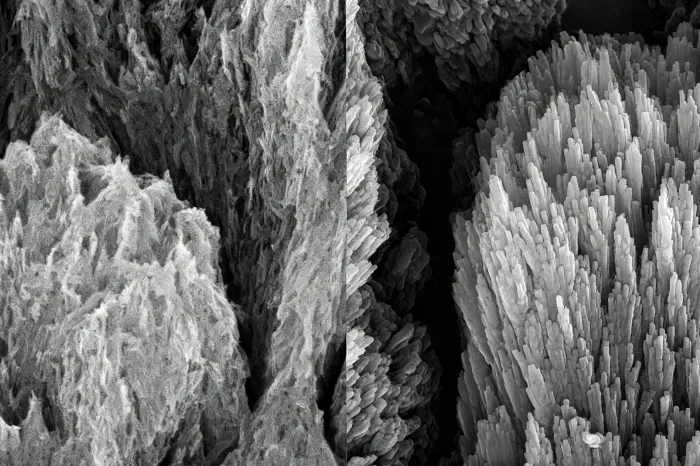
Just when you thought dentistry had peaked with glow-in-the-dark floss, a pioneering material is making the news: a gel developed by scientists that can actually regenerate worn enamel (Reference: New gel restores dental enamel and could revolutionise tooth repair). While not quite a filling, its application and setting reputation deserve a standing ovation. This futuristic gel is applied in a manner similar to fluoride treatments, creating a thin, robust layer that integrates with your tooth—imagine your molar getting a spa facial. Testing confirms the gel reaches full set and strength to match natural enamel after application, with most benefits immediately realized. This breakthrough won’t turn you into a cyborg, but it might save you from another drilling session.
How Long Should You Wait? Let’s Get Real
So, here’s a breakdown for the anxious, the impatient, and those who can taste steak just by sniffing air:
- Composite Fillings: Instant set under the blue light, eat after 1–2 hours.
- Amalgam Fillings: Hard enough for careful eating almost immediately, but avoid hard or chewy foods for 24 hours.
- Glass Ionomer/Gels: Functional right away, but full strength may take several hours.
Pro tip: If in doubt, ask your dentist. And don’t trust a dental blog written by someone who refers to molars as “the big chewy ones.”
Life After Filling: When to Celebrate and When to Call Your Dentist
Some may wonder: “Can I floss yet?” The answer is yes, but with dignity and grace. Mild temperature sensitivity or a metallic taste is normal for a day or two. However, if you’re still feeling pain, experiencing bite weirdness, or finding that your filling is moonlighting as an escape artist (i.e., falling out), it’s time for a professional check-up.
And remember, fillings aren’t invincible. They cycle through wear and tear like the average smartphone charger. Gentle care, regular checkups, and resisting the urge to participate in jaw-breaking food competitions will keep yours in top shape.
Conclusion: Patience Is Delicious
So, how long does it take for a filling to set? The answer: not as long as you’d wait for your high school lunch lady to hand out anything edible, but a little longer than your urge to chew on something fun. For most fillings, you can return to your culinary dreams the same day—with some caution and a dash of patience. Next time you’re reclining in the dentist’s chair, remember: good things come to those who wait. And with the advent of enamel-restoring gels, the future of dentistry is set to be just as dazzling as your smile!
If only everything in life set as quickly as dental resin with a blue light—laundry, nail polish, and the queue at the DMV. But until then, chew wisely, smile widely, and let your fillings do their best work.