










For anyone who has ever debated the proper pronunciation of “anime,” dressed up as a wizard in public, or braved the wilds of merchandise booths just to snag a limited-edition plush, fan conventions are the promised land. These bustling gatherings, whether in Tokyo, Paris, or a gymnasium somewhere in Nebraska, have become global temples of pop culture, where fans of comics, movies, games, and general nerdiness assemble to celebrate their shared obsessions. Forget the family reunion—here, you’re surrounded by people who actually care if Han shot first.
The Celebrity Smorgasbord
If your vision of fan conventions is limited to a few folks in stormtrooper armor awkwardly milling about in a fluorescent-lit hall, prepare to be dazzled. Take Tokyo Comic con 2025, for example: held in the sprawling Makuhari Messe convention center, it’s a pop culture extravaganza that will feature an international who’s who of celebrity guests worthy of their own superhero team-up. Expect stars from blockbuster franchises—think Johnny Depp, Sebastian Stan, and Norman Reedus—rubbing elbows (and occasionally signing elbows) with legends of comics and manga. There’s never been a better chance to get your Back to the Future trilogy signed by the original cast or discuss artistic angst with your favorite manga creators.
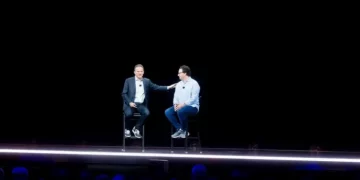
But fan conventions aren’t just autograph assembly lines; they’re showbiz carnivals. Stage performances, panels, live concerts, and Q&A sessions are all part of the spectacle. Where else can you hear the cast of Lord of the Rings reminisce about running through New Zealand mud before learning anime theme songs from performers who provided the soundtrack to your childhood? Whether it’s hearing Christopher Lloyd debate quantum physics or joining a Pokémon singalong, the variety is enough to make any fan’s heart skip a beat.
cosplay: The Olympics of Nerd Creativity
Perhaps nothing illustrates the spirit of fan conventions quite like cosplay. Forget the half-hearted Halloween effort—here, fans transform into superheroes, space warriors, or dragons with enough passion to rival Broadway costume departments. The annual parade is a highlight of any con, drawing crowds for group photos, thematic meetups, and that one person who somehow managed to vacuum-seal themselves into a Gundam suit. Tokyo Comic con, for example, has rules fit for a quirky parliament: you must register professionally, refrain from hazardous props, and avoid being mistaken for local police officers. But once you’re certified and suited up, you’re free to show off your painstakingly handcrafted armor or your questionable decisions about hot glue.
For cosplayers, conventions are catwalks for the proud and daring, offering a chance to network, learn new techniques in foam sculpting, or join Marvel and horror-themed gatherings. And if your costume is so convincing that you end up in a group photo with forty other Batmans (Batmen?), consider it a win for both creativity and confusion.
The Marketplace of Geeky Dreams
Conventions have long outgrown their humble roots as fan-organized swap meets. Today, attending a major event means stepping into a massive pop culture bazaar—where booths overflow with exclusive merchandise, rare art prints, and collectibles so limited you’ll need Jedi mind tricks to snag them. Marvel, Star Wars, and Warner Bros. set up pop-up stores packed with everything from comics to capes, while artist alleys offer original artwork and autographs that would make your bookshelf blush.
The surge in merchandise has also spawned a secondary economy of grading, authenticating, and trading collectibles. Services like CGC’s Signature Series make autograph authentication an art form, offering fans the peace of mind that Stan Lee’s scribble is the real deal and not a clever reproduction by Aunt Mildred. The program’s expansion—now international, thanks to partnerships like JSA—means that even fans in Munich or Dubai can join the chase for authenticated memorabilia. With collectors clamoring for autographs on everything from comic books to Funko Pop! figures, the signature market is hotter than the Millennium Falcon’s hyperdrive.
The Education and Cultural Aspect
fan conventions double as cultural fortresses defending the legitimacy of comics, manga, and graphic novels. In Europe, conventions like Angoulême in France and Lucca Comics in Italy aren’t just shopping opportunities; they’re literary happenings. With government funding, school programs, and festival circuits, graphic storytelling has evolved from mere entertainment into an accepted art form and pedagogical tool. panels on sequential art theory, historical graphic journalism, and transmedia adaptations draw educators and industry luminaries alongside cosplayers dressed as existential nihilists from avant-garde manga.
This institutional recognition has ripple effects: comic markets in Europe, valued at over $18 billion, see almost half the French population reading at least one comic a year. Public funding, grants, and municipal support help new creators launch their work, ensuring conventions remain creative incubators rather than just commercial free-for-alls. Where else but a fan convention can you argue the literary merits of Asterix, discover the latest manga phenomenon, and then learn about the latest trends in digital comics all before lunch?
The Fan convention Effect: Globalization of Geekdom
Conventions have gone global, welcoming attendees from dozens of countries and hosting events in Tokyo, London, New York, and beyond. Attendees are no longer limited to local stalwarts; international publishers, entertainment giants, and digital platforms convene to show off everything from streaming anime to epic gaming demos. Europe’s comic-centric culture, with its rich traditions and national pride, rubs shoulders with the wild exuberance of American superhero fandom and Japan’s love of all things kawaii. Whether you’re browsing French bande dessinée hardcovers, chatting about manga translations, or collecting signatures on rare comic variants, the melting pot of pop culture is always boiling over.
And while conventions might seem like hyper-energetic circuses, they’re also places of genuine community. In a world eager for connection, these events gather kindred spirits, fostering friendships forged in the crucible of shared nerdiness. Where else can you go from intense debate about the merits of left-to-right versus right-to-left comic formatting, to making inside jokes about the Doctor Who timeline, all while standing in line for overpriced churros?
The Future: More Conventions, More Fandom
Looking ahead, the fan convention phenomenon is only getting bigger, weirder, and more inclusive. Markets are expanding—driven by digital comics, transmedia storytelling, and ever-broadening merchandise opportunities. autograph collecting is on the rise, cosplay gets more elaborate with each passing year, and pop culture panels now tackle everything from historical testimony to civic education via graphic novels. As the signature market migrates online and conventions launch in more cities across the globe, the opportunities for fans to connect, collect, and cosplay are multiplying faster than you can say “Excelsior!”
If you’ve never experienced a fan convention, now is the time to embrace your inner nerd, put on that cape, and join the (sometimes slightly eccentric) celebration of pop culture’s infinite universe. Just don’t forget to practice your autograph for when someone inevitably asks you to sign their limited-edition lunchbox.