










The Age-Old Question: Monk, Nun, and the Gendered Saffron Robes
If you’ve ever stared wistfully at a Buddhist monastery and wondered, “Could I swap my daily routine for shaved hair, meditation, and a bowl of rice?”—good news, but first, pick the right wardrobe. The classic answer is: a monk is male, a nun is female. Simple, right? Well, not so fast. Generations of women have been told, “Sorry, lady, no saffron robe for you!” But as any good Buddhist would remind you, clinging to notions isn’t healthy—and women are setting new trends, loopholes and all.
Let’s get technical: women who join the monastic order are called bhikkhunis in Pali, meaning “fully ordained female monk.” While language may lag, a growing movement across continents is redefining what it means to be a Buddhist monastic—regardless of gender. If you believe that enlightenment should come with a dress code and a small dose of rebel spirit, you’re in excellent company.
Historical Hurdles: Buddha Said Yes, Bureaucrats Say Maybe
The Buddha, ever progressive, eventually founded the women’s order, thanks to the persistence of Mahapajapati Gotami—his stepmother with a knack for smashing glass ceilings (and possibly clay pots). However, he hedged with some extra rules, the Eight Garudhammas (think: medieval monastic fine print). Historical texts record women in both the spotlight and the shadows—lauded for their spiritual prowess, then loaded up with caveats and extra vows. Enlightenment: open to all, but please fill out the appropriate paperwork.
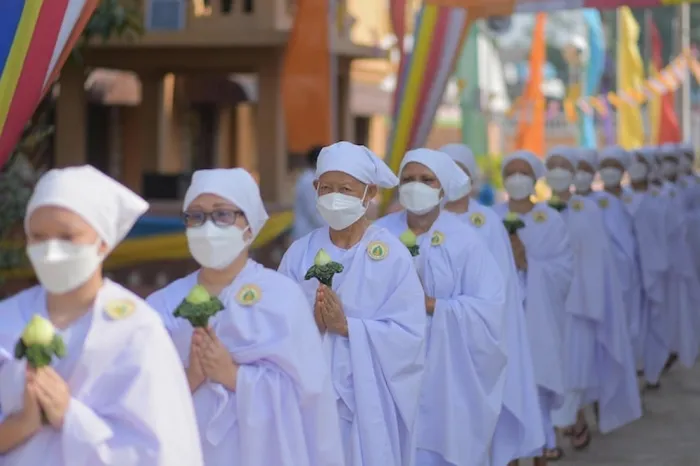
Fast forward many centuries and countries like Thailand decided, with a bureaucratic flourish in 1928, “No ordinations for ladies, thank you very much.” This has led to creative solutions worthy of a sitcom. Today, Thai women become white-clad nuns (maechi), often relegated to kitchen duty and gossip management. But a small army of saffron-clad rebels—led by women such as Dhammananda Bhikkhuni—have headed abroad, returning in full monk regalia and a certifiable “you can’t fire me, I don’t work here” attitude. These pioneers are often only semi-recognized by local authorities, but fully recognized by their own inner Buddha.
Modern Monastic Mayhem: The Rise of Rebel Bhikkhunis
Thailand is home to more than 250,000 male monks but just a few hundred female ones, most trained overseas. Under the towering palms, women like Achara Ratanakasin and Wanida Anne Lertpanyawai seek ordination in defiance of tradition, exchanging the drama of daily life for vows of poverty and a spiritual journey that’s short on makeup, long on existential pondering. “How long do I have to do this?” mused Dhammananda Bhikkhuni over a tube of mascara before swapping it for enlightenment.
The ordination process for women isn’t easy—one must leap through enough hoops to impress a circus manager. There are double ordinations, extra precepts, and the occasional monastic council meeting where the phrase “unprecedented” gets a workout. Nervous critics worry about potential temptations, as if a sudden infusion of nuns might turn temples into romantic comedies (spoiler alert: most monks are much too busy meditating to notice).
Despite resistance, things are changing. In Sri Lanka and other countries, female orders have been revived since 1996. Bhikkhunis now gather for ceremonies, morning alms rounds, and the occasional newspaper headline. In Australia, the first female Theravada Buddhist monks were ordained in 2009. In Bhutan, 144 nuns were fully ordained in 2022—presumably with a party featuring more saffron than your grandma’s curry cupboard.
The International Scene: When in Doubt, Go Abroad
The global Buddhist scene is more welcoming, especially among Mahayana traditions: China, Korea, Taiwan, and Vietnam have thriving communities of fully ordained nuns. The Lotus Sutra itself features stories of women turning into bodhisattvas and future Buddhas—occasionally after a mystical gender swap (don’t try this at home, send inquiries to your nearest Zen master).
Western women have played a major role in modern monastic movements: Tenzin Palmo famously spent twelve winters in a Himalayan cave, returning with enough enlightenment to light up London. Khenmo Drolma, like many Western Buddhist nuns, hopped to Taiwan for ordination and then became an abbot in Vermont. Outposts in America now host thriving nunneries, meditation centers, and, yes, even a few monks who occasionally ask, “Where did all the towels go?”
Tradition vs. Trend: The Hairy Issue of Monastic Definitions
But can a woman REALLY be a monk? Some would say, “It’s nomenclature, dear.” Traditionally, “monk” is male, “nun” is female, but the level of spiritual attainment and discipline is equal. The robes are the same, the rules mostly so, and the daily schedule equally intense. Women live by codes of conduct numbering into the hundreds—sometimes out-vowing their male counterparts with extra precepts (and, rumour has it, a better grasp of tidy communal living).
The issue often comes down to official recognition. Some Buddhist authorities still insist “it’s never been done here, so you can’t do it”—an argument familiar to anyone who’s ever tried adding pineapple to pizza. But social context is shifting, with women and allies questioning traditions and creating new histories. As Dhammananda Bhikkhuni puts it: “I’m sweet, but I’m not tame.”
Spiritual Equality: Can Enlightenment Break the Glass Ceiling?
Buddhist scriptures are as complex as a koan and twice as contradictory. Some sections claim women must be reborn male for ultimate enlightenment; others sing of nuns achieving the highest spiritual states. These mixed messages keep philosophers and dinner table debaters busy.
However, the clearest voices—ancient and modern—say women can, have, and do achieve enlightenment. From the Buddha’s own aunt to the thousands of bhikkhunis past and present, proof abounds. As the Dalai Lama himself quipped, a female incarnation would be perfectly possible—though, he added with signature humor, she should be “very attractive” (the world awaits a beauty pageant for spiritual leaders).
Ready, Set, Ordain: How to Join the Monastic Adventure
So, can a woman be a monk? Practically speaking, YES—just be ready to swap your worldly attachments for a stubbly scalp, a bowl of rice, and a Wikipedia page of rules longer than the Mahayana canon. Whether you call yourself a nun, a bhikkhuni, or a spiritual rebel in saffron, there’s space in the monastery for devotion, wisdom, and a good dose of mischief.
And if anyone tries to stop you, just remember: the Buddha’s stepmom didn’t take “no” for an answer—and neither should you. Welcome to the sangha, sister. Enlightenment (and humor) included.