












The White Wine Drunk: Fact or Fiction?
Have you ever found yourself at a dinner party, clutching your third glass of Chardonnay, suddenly realizing your jokes have gotten funnier (at least to you) and your inhibitions have evaporated right along with the wine? Is there something uniquely mischievous about white wine, or is it just alcohol doing what it does best—making you the life of the party and, occasionally, the embarrassment of tomorrow?
For years, the phrase “I can’t drink white wine, it makes me a monster” has haunted the collective consciousness of wine drinkers. Is it true? Is there something magical (or maniacal) about white wine that transforms mild-mannered adults into karaoke champions or, more tragically, impromptu philosophers? Let’s pour ourselves a glass (responsibly!) and get to the bottom of the bottle—and the truth.
Why White Wine Feels Different… Or Does It?
First, the science! Every alcoholic beverage owes its mood-altering prowess to ethanol—a molecule that could not care less about whether you’re drinking a fancy Bordeaux, a supermarket Chardonnay, or even a glass of kombucha that’s gotten carried away. Ethanol doesn’t discriminate. So why do people swear that white wine gets you drunker?
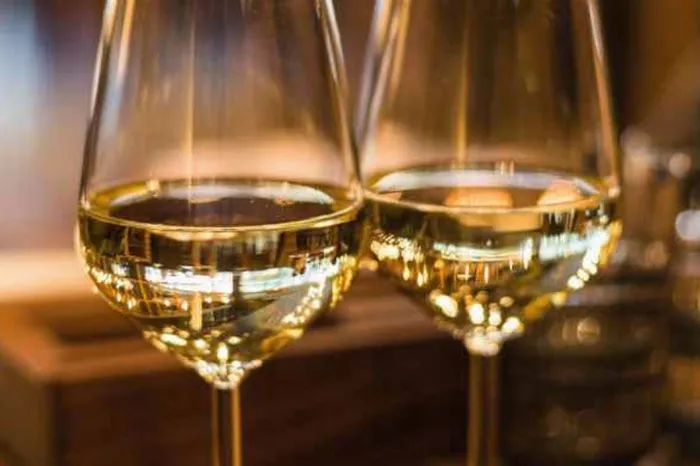
Here, perception outpaces reality. According to wine wizards and medical pros, the real difference comes down to the combination of how fast you drink, your mood, the wine’s acidity, and, crucially, how much you pour. White wine, with its crisp sweetness and lack of intimidating flavors, tends to encourage generous servings. After all, a glass of white feels more refreshing than a heavy red, especially at summer gatherings. That, dear reader, is the first boozy trap: white wine goes down easy and often leads you to lose track of just how much you’ve consumed.
You might think you’re being responsible, filling only half your impressively oversized goblet, but even so, you may be polishing off a glass that’s closer to a double. The way you drink matters—a slow, sophisticated sip is less likely to leave you slurring about your childhood traumas than downing a flute of bubbly during brunch.
The Anatomy of a Hilarious Hangover
If you’re waking up after a white wine binge, recounting the number of times you overshared at last night’s soiree, you’re not alone. Hangovers courtesy of vino blanco have their own special flavor—sometimes literally. You get the classic headache, the existential dread, and, of course, a sudden regret for reenacting old movie scenes in front of your boss.
But why can the white wine hangover sometimes feel uniquely devious? White wine is often sweeter and less carbonated than other drinks, making it tempting to drink quickly. Plus, it contains elements like sugar and sulfites that, for some, can lead to gnarlier hangovers. And don’t forget those with a sensitivity to sulfites—your white wine hangover may come with a side of rash or swelling. Not exactly the party favor anyone wants.
Yet, for the vast majority, the villain behind the next-day misery is still the alcohol itself. The more you drink, and the less you eat before or while drinking, the more likely you’ll wake up with regret (and perhaps a stray eyeliner mustache).
Know Thy Limits (Or: Resist the Chardonnay Challenge)
How many glasses of white wine does it actually take to get you drunk? Answer: It depends! Your gender, body weight, muscle mass, metabolism rate, and even your mood play starring roles. For smaller individuals, even two glasses of wine can push blood alcohol levels to the legal limit. For giants among us, it might take a few more. Women are particularly susceptible to alcohol’s effects due to lower water content and enzymes that break down alcohol. Meanwhile, muscular folks manage alcohol a bit better, thanks to all that watery muscle tissue soaking up the booze.
Other factors include the percentage of alcohol (ABV) in your white wine. Lighter choices like Muscadet have lower ABV, while full-bodied Chardonnays pack a bolder punch. If you’re doing the math, one average-sized person can usually expect tipsiness after two glasses, with drunkenness lurking on the horizon by the third or fourth. Just don’t challenge your friends to a Chardonnay-downing contest; it never ends well.
The Social Science of Expectation and Context
Now for a twist worthy of a reality show reunion: The way you think wine will affect you, and the setting in which you drink it, genuinely shape your experience. Studies reveal that people report feeling more energetic and attractive when drinking wine in social settings. If you’re expecting white wine to transform you into either a Greek god or a Greek tragedy, there’s a good chance it will.
“Wine drunk” as a phenomenon is less about the grape and more about your expectations and the circumstances. Sip your Sauvignon Blanc while lounging by the pool in the sun, and you’ll likely feel warm and mellow. Slam a couple glasses at a crowded bar—less so.
Red vs. White: The Grapes of Wrath?
What about the infamous debate: Does red wine get you drunk faster than white? Generally, yes; red wines often contain more alcohol by volume, and darker drinks have more “congeners”—chemical byproducts linked to worse hangovers. For those seeking a less catastrophic tomorrow, swapping your Cabernet for a crisp Pinot Grigio can be a wise move.
Debunking the “Monster Mode” Myth
Despite all the stories, science hasn’t found a smoking gun linking white wine to wild personalities or sudden spikes in karaoke talent. Save for medical issues (sulfite allergies, for instance), the embarrassment you feel post-white wine is likely less about the drink and more about the embarrassing stories you’ve accumulated over time. Memories of glorious or cringe-worthy white wine moments tend to shape future experiences—and expectations.
If you’re convinced you can’t drink white wine without calling your ex or performing interpretive dance in the street, it may be time to reevaluate your relationship with moderation—not the grape.
Sip, Savor, Survive: Tips for Being Your Best Wine Self
Alright, here’s your hilarious but helpful checklist for enjoying white wine without turning into a viral TikTok sensation (for all the wrong reasons):
- Check the label for ABV before you start sipping.
- Eat before you drink—seriously, bread is magical.
- Pace yourself—remember, slow and steady wins the hangover-free race.
- Hydrate—water is your best friend.
- Remember, fun is best served in moderation.
And above all, enjoy the party! If you do find yourself hugged to a bottle of Pinot Grigio—just hope someone was filming. You could be a meme by morning.
The Bottom Line: Booze Is Booze
To sum it all up, yes, white wine can get you drunk—sometimes faster than you expect, usually because you drank more than you realized and didn’t eat enough cheese. The real key is knowing your limits, respecting your body, and savoring each glass (and moment).
So, the next time someone asks, “Does white wine get you drunk?” you’ll know the answer: it sure does, but the real magic (and mayhem) comes from how you drink, who you’re with, and what stories you hope to tell in the morning. Cheers!