















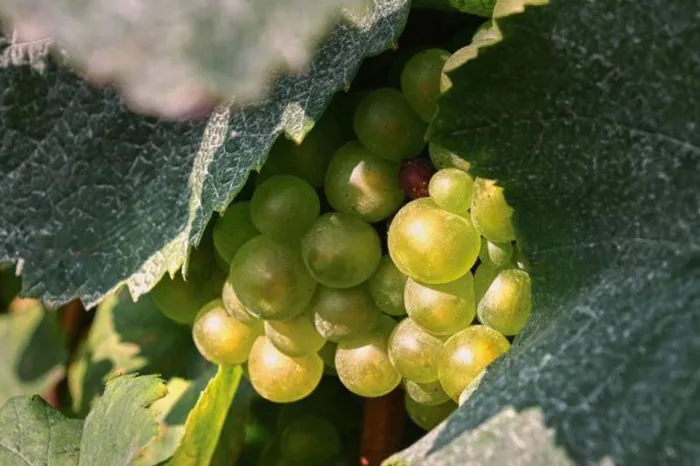
Meet the Grapes: Uncorking the Mystery
Walk into any wine shop, swirl a glass at a vineyard, or crash that swanky neighborhood wine-tasting party, and you’ll hear passionate debate about the secret sauce behind every bottle: the grape. But not just any grape—these fruity overachievers have been meticulously cultivated, crossbred, and whispered sweet nothings by winemakers for millennia. If you thought grapes were only good for eating or throwing in the odd Greek wrestling match, prepare to be awed (and, let’s be honest, a little tipsy) by their hidden talents.
There are more than 10,000 different wine grape varieties in vineyards worldwide. But when it comes to making wine, only a handful bask in the limelight—like that one grape who knows all the other grapes’ birthdays and reminds you on Facebook. These celebrity cultivars pack all the aromas, tannins, and acidity required to create the palette of wines that ignite oenophiles’ excitement (and occasionally, Facebook arguments).
What makes a wine grape special? For starters, wine grapes (almost all from the species Vitis vinifera) are smaller, sweeter, and more intense compared to your supermarket’s plump, seedless table grapes. They’re loaded with sugars, acids, tannins, and, crucially, drama. Let’s rummage through the vineyard and meet the grapes who really start the party.
Red Grapes: Drama Queens of the Wine World
- Cabernet Sauvignon: The Beyoncé of grapes. With bold tannins, black currant, and cedar aromas, it’s the star of Bordeaux and Napa Valley blends. Resistant, adaptable, and able to keep things spicy in almost any climate, it’s often found rubbing shoulders with Merlot and Cabernet Franc.
- Merlot: Cabernet’s reliable sidekick, known for smooth lines, plummy flavors, and an approachable vibe. Whether making a solo appearance or softening up a formidable Cabernet blend, Merlot is like the grape that brings snacks to the party—everyone loves them.
- Pinot Noir: Tricky, fickle, and often the “it” grape at collector soirées. From the delicate cherry, strawberry, and forest floor notes in Burgundy to vibrant New World expressions, Pinot is the grape equivalent of a cat: temperamental but irresistible.
- Syrah/Shiraz: Think big, bold, and spicy. In France’s Rhône Valley it’s Syrah—dark, peppery, elegant. Down under in Australia it becomes Shiraz, unleashing flavors of blackberry, mint, and the kind of smokiness that makes you wonder if someone’s barbecuing nearby.
- Malbec: Originally French, now a rockstar in Argentina. Deep color, robust tannins, and dark berry notes; Malbec is the grape to call when you need a wine to match your steak (or if you just like wines that wear aviator sunglasses).
- Grenache/Garnacha: Warm-climate lover, natural at blending. Red berries, herbal aromas, and high alcohol. The grape that dances through French, Spanish, and Australian blends—often in the famous GSM trio: Grenache, Syrah, Mourvèdre.
- Tempranillo: The Spanish seducer. It stars in Rioja, featuring notes of cherry, plum, and tobacco. Blends well with friends but shines solo too.
- Zinfandel/Primitivo: High-octane fruit bombs with the jammy, peppery personality of a rock concert encore. Predominantly Californian, but also strutting through southern Italy as Primitivo.
White Grapes: The Bright Side of the Barrel
- Chardonnay: The most famous and flexible of all. Neutral at heart, its character is shaped dramatically by climate and winemaker decisions—think crisp green apple (Chablis), tropical fruit (California), or full-on, buttery popcorn style (oak-loving winemakers everywhere).
- Sauvignon Blanc: Zesty, lively, and riffing with citrus, green apple, and fresh-cut grass. Loire Valley and Marlborough, New Zealand, are home to its tangiest, most aromatic interpretations. Sometimes makes a guest appearance as oaked Fumé Blanc.
- Riesling: Talk about a wild ride! From bone-dry to sweet, Riesling can do it all. Honeysuckle, lime, petrol (yes, petrol), and high acidity give this grape its cult following—especially in Germany and Alsace.
- Pinot Grigio/Pinot Gris: Two names, one grape, multiple personalities. In Italy, Pinot Grigio is light, crisp, and refreshing. In Alsace, Pinot Gris is more voluptuous, textural, and sometimes sweet. The grape’s shade-shifting ability rivals that of a wine snob at a supermarket checkout.
- Chenin Blanc: From dry and sparkling to lusciously sweet, this grape is a jack-of-all-trades, adored in France’s Loire Valley and championed in South Africa (where it moonlights as Steen). Fruit, honey, and zip—pick your palate.
- Gewürztraminer: Exceptionally aromatic, with notes of rose, lychee, and spice. Originally from Alsace, this grape is a favorite among those who like their wines floral and flamboyant.
Beyond the Popular Crowd: Niche Grapes & Wine Blends
While the international superstars dominate shelf space (and Instagram feeds), the world of wine grapes teems with local legends. You’ll find grapes like Nebbiolo (making Italy’s revered Barolo and Barbaresco), Sangiovese (the backbone of Chianti), Barbera, Grüner Veltliner, Viognier, Mourvèdre, Carménère, Petit Verdot, and many more.
Winemakers also blend these grapes with wild abandon, playing matchmaker to achieve balance, complexity, and that all-important smoothness. Think Bordeaux blends (Cabernet Sauvignon, Merlot, Cabernet Franc, Malbec, Petit Verdot), Côtes du Rhône blends (Grenache, Syrah, Mourvèdre), Champagne blends (Pinot Noir, Chardonnay, Pinot Meunier), and Port (Touriga Nacional, Tinta Roriz, etc.).
Not content with single-grape fame, these blends are the “supergroups” of the wine world, delivering that all-rounded flavor profile that keeps tasters coming back for more.
Grapes Are Only Half the Story: Terroir, Technique, and the Art of Wine
If you thought grape variety alone wrote the script, think again! Soil, climate,winemaker’s mood, aging techniques—and whether the grapes attended meditation retreats—can all dramatically impact the final bottle. The concept of “terroir” sums up these influences, ensuring the same grape can taste wildly different, depending on where (and how) it’s grown.
White grapes generally spend less time with their skins, yielding lighter-colored, refreshing wines. Red grapes lounge around a bit longer during fermentation, absorbing color, tannins, and character from their skins. There are even orange wines—white grapes fermented with their skins—proving that winemakers will do anything for a good story.
So, as you ponder your glass of Cabernet, Chardonnay, or obscure Trousseau, remember: every bottle is the result of centuries of grape drama, matchmaking,wine blends, and experimentation. The next time someone asks what grapes are used to make wine, regale them with tales of Cabernet’s boldness,Pinot Noir’s moodiness, and the raucous parties thrown by wine blends. Because when it comes to making wine,grapes don’t just get invited—they run the show.