













How Long Does White Wine Last—And Is It Plotting Against You?
Pop quiz for party planners and culinary enthusiasts alike: you open a bottle of white wine, swirl it in your glass, savor the crisp aromas, and then, like every distracted host with multiple cheese platters and an existential dread about dish cleanup, you forget half a bottle in the fridge. The burning question emerges: how long does white wine last? And does it secretly mutate into an enemy—the vinegar you never asked for—or hang in limbo, waiting for redemption in a risotto? Fasten your seatbelts (or screwcaps), because the answer has as many twists as a wine tasting with a sommelier who moonlights as a standup comedian.
The Dramatic Fate of Opened White Wine
Let’s face it, the moment you break the sacred seal of a white wine, the clock starts ticking like a reality TV show elimination countdown. Opened white wine, if promptly re-corked and stashed in the fridge, is generally drinkable for 3 to 7 days. Not bad for a commitment-phobe beverage! But don’t let that timeline lull you into complacency. The wine’s flavors start to evolve as soon as oxygen hits, like a soap opera star aging—sometimes with grace, sometimes with a scent reminiscent of wet cardboard and failed dreams. Lighter and sweeter whites (think aromatic Riesling or pert Sauvignon Blanc) tend to outlast full-bodied heavy hitters like oaked Chardonnay. Acidity and residual sugar act as wine’s bodyguards, fending off spoilage and preserving taste, but even these superheroes tire quickly; full-bodied whites left open often turn villainous after just 3 to 4 days. For maximum savor, finish your open bottle within a couple of days unless you’re aiming for the culinary arts—leftover wine makes fabulous chicken sauces and is a star in risotto. If you must stretch the clock, transfer leftover wine into a smaller vessel to minimize its oxygen exposure, or use a vacuum pump (the wine geek’s equivalent of life support).
Storage Shenanigans: Unopened White Wine—How Long Is It Really Good?
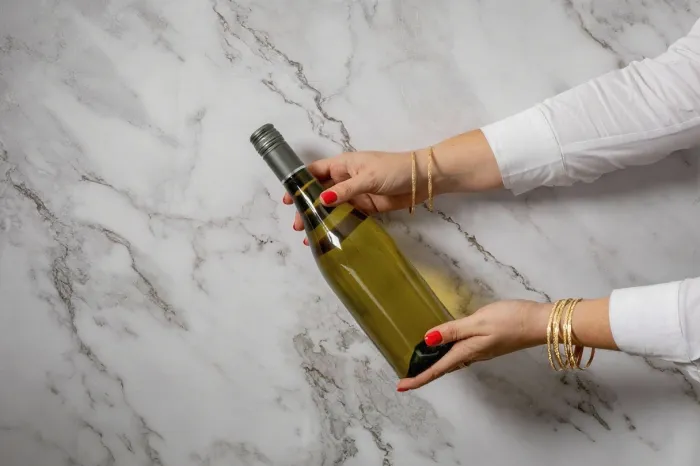
Here’s where wine outdoes gym memberships: unopened white wine (properly stored) can comfortably last 1 to 3 years after its vintage. Some rare breeds—like Grand Cru Burgundies—can pace themselves for decades, aging with the kind of patience reserved for monks and vintage cheddar. The caveat? White wine is beset by two nemeses: heat and light. Excess temperature cooks the wine, imparting flavors as mysterious as burnt marshmallows, while sunlight initiates the dreaded lightstrike, scrambling amino acids until your elegant Sancerre tastes like the inside of a musty basement. Store your bottles sideways in a cool (around 55°F/13°C), humid, and dark spot; not the fridge, unless ready to drink soon. Corks need moisture to prevent shrinking and letting in oxygen—otherwise you’re basically inviting bacteria to a dinner party in your wine.
Shelf life—White wines don’t have expiration dates like suspicious mayonnaise or yogurt lurking behind pickle jars. The vintage year on the bottle is your map: for most white wines, the best consumption window is within 2-3 years of that date. If in doubt, consult the producer, channel your inner Sherlock with a sniff-test, or find an old basement and call yourself a wine archaeologist.
Signs Your White Wine Has Gone “Bad”—Or Is Just Trying Out a New Personality
Wine is forgiving by food standards (spoiled wine is essentially vinegar—unappealing, yes; deadly, no), but your taste buds may not be so lenient. The key is to trust your senses and not attempt drinking the wine just to prove your tongue’s endurance. Sniff and behold: if the aroma resembles vinegar, damp wool, burnt marshmallow, or gym socks, it’s time to say au revoir. A funky nutty or nutmeg note is also a red flag. Taste it with caution; sour, bitter, or astringent notes mean the wine is on a journey you do not want to follow. Visually, spoiled white wine darkens, sometimes clouds or grows a creepy film. At this point, unless you’re experimenting with new terroirs in the world of homemade vinegar, retire that bottle.
Open vs. Unopened: Storage Olympics
Wine, like the best of us, does not appreciate drastic swings in temperature, light, or mood. Your unopened white wine is happiest in a wine fridge, cellar, or a basement that’s not haunted by chemical odors (even paint thinner can ruin a good Chardonnay). Properly stored, your everyday white should be delightful for 1-3 years; some rare and robust bottles can last 5-10 years if pampered like royalty. The fridge is fine for short stints, but long-term chilling dries out corks—use it only if consumption is imminent, not remote! Once opened, get that wine into the fridge pronto. The cool temperature slows chemical spoilage, and a good vacuum stopper can squeeze a day or two more out of the bottle. But don’t rely on old wives’ tales—a teaspoon in an opened bottle does absolutely nothing but confuse you and amuse physicists.
Laughing in the Face of Spoilage: Wine’s Leap into Culinary Fame
If you botch the timing and your white goes limp and lackluster, don’t despair! Leftover or oxidized white wine is a culinary hero—just ask the French. Use it to deglaze pans, flavor sauces, even freeze it into ice cubes for future soups, stews, or risottos. Just avoid serving it to a picky guest unless you want them to think you’re auditioning for a reality show called “Revenge of the Hosts.”
The Juicy Bottom Line: How Long Does White Wine Really Last?
To sum up, unopened white wine (stored well) will last several years, but most are best enjoyed while young, charming, and vibrant—like ex-prom kings before life gave them existential tax returns. Once opened, aim for consumption within a couple of days for optimal enjoyment, and let your senses guide you. If all else fails, pour the remains into your next gourmet meal and let wine redeem itself in the kitchen. So relax—drink thoughtfully, store wisely, and remember: wine may come and go, but the stories (and the laughs) last far longer than any bottle.
Cheers to the Adventure of Wine Longevity!
Whether you’re saving that bottle for a celebration or just cleaning out your fridge after a party, understanding how long white wine lasts—and why—is the secret to savoring every drop. The only real expiration here is the chance to make the most of what’s in your glass (or saucepan). Drink up, but don’t let your wine become a cautionary tale!