















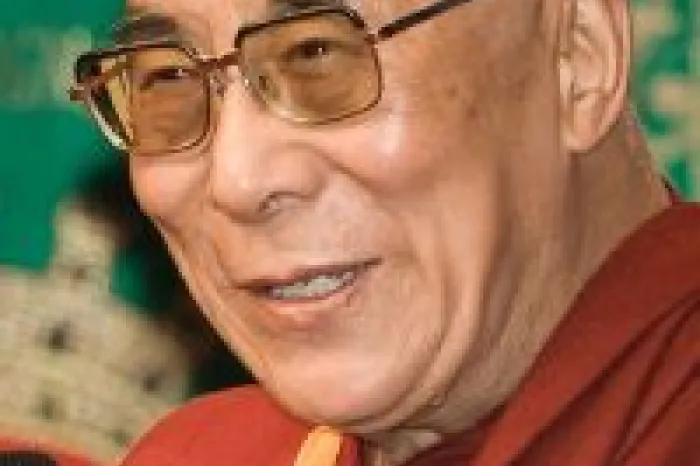
Introduction: Monks—Not Just a One-Religion Wonder
You might think monks only belong in dusty European monasteries or serene Buddhist temples, quietly contemplating the universe while perfecting their soup recipes. But grab your imaginary robe and join the journey: monks can be found meditating, praying, or just generally minding their own spiritual business in a surprising array of religious traditions. Spoiler alert: monks aren’t limited to Christianity or Buddhism—they’ve infiltrated the world’s major faiths (and a few minor ones), changing the course of history and occasionally making cheese. Let’s break it down—robe by robe.
Monks in Christianity: From Desert Hermits to Beer-Brewing Brothers
Ah, Christian monks: possibly the most famous, certainly among the most industrious (those illuminated manuscripts didn’t copy themselves). The Christian monk’s story starts with Saint Anthony the Great, the OG hermit, who decided the world was just too noisy and set up shop in the deserts of Egypt. His followers, known as the Desert Fathers (and, yes, some Desert Mothers), took ascetic life very seriously—so much so that shampoo sales dropped drastically in the region.
Christian monasticism spread through Catholicism, Eastern Orthodoxy, Anglicanism, and even Lutheranism. They developed everything from grand abbeys to (wait for it) beer recipes that Trappist monks still brew today. Their daily lives? Prayer, meditation, work (including growing vegetables and copying texts), silence, and the occasional Gregorian chant. Vows include poverty (goodbye, bank accounts!), chastity (hello, solo living!), and obedience (yes, boss abbot!).
But don’t box them in! Protestant flavors—especially Anglicans and Lutherans—have their own monks, though the numbers took a dive when King Henry VIII developed his infamous aversion to monasteries.
Buddhist Monks: Alms, Meditation, and Minimalist Living
If monks had a spirit animal, it would probably be the Buddhist bhikkhu. Practicing mendicancy, Buddhist monks live off alms, meditating, reciting prayers (try chanting a mantra 108 times before breakfast), and generally winning the international minimalist championships. Their wardrobes: saffron robes, a razor, an alms bowl, a needle, a water strainer. That’s it. No room for clutter, unless you count spiritual detachment from clutter.
In Theravada Buddhism, you’ll see young boys taking novice vows, eating only before noon, and avoiding luxury. Mahayana monks might feature impressive robe collections, gender equality, and the potential for Zen eyebrow-raising. Vajrayana Buddhist monkhood, meanwhile, involves multiple levels of vows for personal liberation—for those who like their enlightenment with extra steps.
Fun fact: Chinese Buddhist monks are credited with blending Shaolin Kung Fu into spirituality. Apparently, soul and muscle can be equally enlightened.
Hindu Monks: Swamis, Sadhus, and the Ultimate Spiritual Workout
If you like your monks with epic beards and profound wisdom, look to Hinduism. Hindu monks (Swamis, Sadhus, and Sannyasis) can be found meditating, wandering, dispensing divine advice, and living off donations (with an occasional curse, just to keep people honest). While some orders insist on celibacy and single-minded devotion, others allow married monks (which could make for some awkward monastery family picnics).
The Dashanami Sampradaya order—founded by Adi Shankara—really set the monk bar high, promoting a lifetime of meditative contemplation. Iconic Vaishnavite monks (think Hare Krishnas) and Shaivite ascetics keep the tradition alive worldwide, sometimes with impressive headgear and strictly regulated diets. Hindu monasticism is so old, it makes other traditions blush. According to some historians, it’s the world’s oldest continuous mystical monastic tradition.
Jain Monks: Extreme Ascetics and Feather-light Attachments
If you think going vegan is tough, Jain monks would love to challenge you to a spiritual face-off. Jainism started as an ultra-monastic religion, with monks and nuns taking vows of nonviolence so strict, they sweep the path in front of them to avoid harming insects. Digambara monks go all the way with nudity to symbolize complete detachment. Both Digambara and Śvetāmbara sects expect monks to wander, own as little as possible, and practice fasting that would terrify most nutritionists. If they bump into luxury, it’s probably an accident.
Monasticism Beyond the Usual Suspects: Judaism, Taoism, and More
Did you know Judaism had ancient monastic communities, like the Essenes (alleged authors of the Dead Sea Scrolls—those guys loved their communal living and esoteric disciplines)? More modern Judaism, though, isn’t into celibacy or withdrawal—the approach is living joyfully in the world, not hiding behind monastery walls.
Taoism, not one to be upstaged, boasts monastic orders—especially the Quanzhen School, with monks and nuns pursuing the Dao in Beijing’s White Cloud Monastery (no relation to White Cloud toilet paper). Other faiths and philosophies—Bön, Jainism, Ananda Marga—feature monastic orders, though with wildly different diets and dress codes.
Who Doesn’t Do Monks?
A few religions said, “No thanks, we’ll pass on the robes.” Islam, Sikhism, and Zoroastrianism discourage monastic living or outright forbid it. Islam, for example, sees monastic vows as missing the point of balancing worldly life and spiritual devotion, favoring something called “zuhd”—spiritual detachment without leaving your family job. Sikhism, while encouraging spiritual discipline, prefers lay participation and sees householders as spiritually superior to wandering ascetics.
Monks: The World’s Spiritual Overachievers
Whether copying ancient texts by candlelight or perfecting the art of mindful walking to avoid accidental insect carnage, monks have been the MVPs of cultural, educational, and spiritual life. They’ve sparked movements, built libraries, taught farming, and brewed beer that would put a smile on any medieval face.
Monks appear in Christianity (all variants), Buddhism, Hinduism, Jainism, and Taoism—each order bringing its own quirky rules, unique food groups, and distinctive attitudes toward solitude and property ownership. Some monks work in hospitals, some in gardens, others practice kung fu, and a few have unwittingly become internet memes. The monkhood might look different in each religion, but its core remains unchanged: devotion, discipline, and a secret recipe for spiritual soup.
Conclusion: Robes, Rules, and a Lot of Patience
So, what religions are monks ? If the faith involves spiritual pursuit, a dash of asceticism, and someone really determined to avoid distractions, chances are, there’s a monk out there fighting the good fight—sometimes with a broom, sometimes with a beer, occasionally with an epic beard. Next time you encounter a monk, bow with respect—and maybe offer a donation. After all, they might be writing the next best-selling self-help manuscript or just contemplating the meaning of soup. Either way, they’re living proof that the world’s spiritual traditions are a lot more interconnected (and occasionally eccentric) than you might think.