















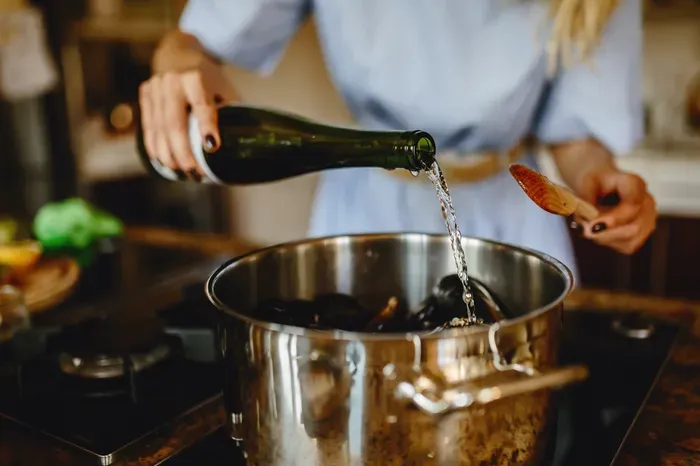
It’s Not Just for Splashing—White Wine in the Culinary Limelight
Let’s face it: using wine in cooking feels just a little bit fancy, the culinary equivalent of donning a monocle while stirring your risotto. But when a recipe calls for white wine, the options can make even the most seasoned home chef clutch their corkscrew in confusion—Chardonnay, Sauvignon Blanc, Pinot Grigio, Riesling… Should you be selecting something that whispers elegance, or just the bottle lingering in the back of your fridge since last Thanksgiving?
To ease your sommelier-induced stress (and perhaps spark a little joy), let’s uncork the world of white wine for cooking, find out which varieties reign supreme, and—most importantly—poke fun at the notion of cooking with anything you wouldn’t drink yourself. Spoiler: Cooking wine is as sad as leftovers from an office potluck.
Why White Wine Matters (And Why Your Chicken Is Begging for It)
White wine brings two magical gifts to the kitchen: flavor and acidity. It’s the culinary equivalent of a plot twist—think chicken so moist it deserves its own spa day, or risotto that tastes like it had a semester abroad in Tuscany. According to wise sages (i.e., anyone who has ever burned sauce and tried to rescue it with a dash of something alcoholic), the key is to use wine that helps your dish shine, not overpower it. And yes, the alcohol cooks off, so your casserole won’t be sloshed.
But let’s address the elephant in the kitchen: if you wouldn’t drink it, don’t cook with it. That bottle labeled “cooking wine”? Toss it. It’s the culinary equivalent of buying discount tire rubber and calling it gourmet pasta. As for wine you do love, don’t spend a fortune—think $8 to $12 bottles that you wouldn’t mind sipping as you cook, just in case you over-measure (it happens more than you’d think).
Flavor Profiles and Food Pairing: From Sauv to Chard (Unoaked, Please!)
Let’s break down the heavy hitters:
Sauvignon Blanc: This crisp, high-acidity star is basically the reliable sidekick of seafood and light sauces. Its vibrant, herby notes turn seafood into something even Poseidon would Instagram. If you’re going for freshness, or if your vegetables need a personality boost, Sauvignon Blanc is your best friend.
Pinot Grigio/Pinot Gris: The Switzerland of wines—neutral, easygoing, and always gets along with others. Its balance of bright and clean flavors matches well with chicken, vegetables, and creamy risottos. If your palate says “I just want dinner, not drama,” grab this grape.
Unoaked Chardonnay: Whiskey barrels? Leave ‘em for winter. When cooking, choose a Chardonnay aged in stainless steel; that way you dodge the woody, buttery flavors that can turn bitter after simmering. Unoaked Chardonnay brings fruitiness and subtlety—think chicken, mushrooms, and delicate cream sauces. Oaked versions tend to go full soap opera on your taste buds, so skip them unless you really like the taste of distress in your béchamel.
Pinot Blanc: Slightly sweet, with hints of apple and almond. It’s versatile enough to work with white meats, vegetables, and desserts. Pinot Blanc is like the dinner party guest you didn’t realize you desperately needed.
Riesling (Dry): Famous for its German heritage and festive personality, dry Riesling is actually a party in the pan. Its higher acid and touch of tropical fruit make it perfect for keeping chicken moist, balancing glazes, and sneaking some fun into desserts.
Moscato and Sweet Wines: Use these with caution! If you like a hint of sweetness (think poached pears or certain Asian-inspired dishes), a light touch is your friend. Otherwise, you risk dessertifying your dinner in a way that only a true rebel would enjoy.
Practical Wine Wisdom: Mistakes and Marvels
First, repeat after us: no old wine. If your white has orange hues or mysterious floaties, call CSI and move on. Fridge leftovers are okay—just use within two weeks to avoid flavors that were clearly better in a past life.
When incorporating wine into your dish, timing is everything. Add early so the alcohol can cook off and the flavors meld into a beautiful union. Splashing wine at the end is a rookie move, unless your goal is to taste raw, boozy confusion.
Still or sparkling? Go with still wine for ease—those bubbles have a mind of their own. Sparkling “brut” wines (dry, not sweet!) can add brightness, but only if you’re feeling adventurous or have a bottle going flat after brunch. Pro tip: If it’s flat, it’s good for cooking!
Substitutes, Shortcuts, and Surprises
Out of white wine but still chasing that flavor? Chicken or veggie stock works wonders—in equal amounts—with a dash of citrus juice or vinegar for acidity. Vinegars, dry vermouth, or even dealcoholized wine are all worthy stand-ins. Just avoid “cooking wines” from the grocery store, unless you fancy ending up with a dish best categorized under “culinary regrets.”
Recipes that Love White Wine (And a Little Sass)
- Garlic and White Wine Mussels: A timeless classic. Sauvignon Blanc or Pinot Grigio brings the drama.
- Creamy Chicken in White Wine Sauce: Chardonnay or Pinot Blanc adds subtlety, moisture, and just the right flair.
- Fish and Mushroom Risotto: Pinot Grigio and unoaked Chardonnay are the heroes here.
- Cheese Fondue: Might be the only food where losing your bread in the pot means you have to finish the bottle. House rules.
- Vanilla Poached Pears: A sweet treat where a hint of Moscato or Riesling works its magic.
Store Smart, Pour Generously, Taste Often
Once opened, keep your wine refrigerated and use within two weeks (unless you like debating fermentation as a side dish). Store unopened bottles horizontally in a cool, dark place—wine likes to sleep in, even more than you do.
Above all, let your taste buds be your guide. Experiment, have fun, and if a recipe goes awry, just call it “fusion cuisine” and pour yourself a glass. It works every time.
Final Pour: White Wine for Cooking, Elevated and Entertaining
The ideal white wine for cooking is a dry, moderately priced bottle you’d happily drink, but not one that would make you cry if you spilled it in the sauce. Sauvignon Blanc, Pinot Grigio, unoaked Chardonnay, and Pinot Blanc are universally celebrated, while dry Rieslings add intrigue. Keep old bottles out, use wine at the start of cooking, and remember—never trust a wine you wouldn’t trust on a date. Your dinner will thank you (and so will your guests).
So, raise your wooden spoon, pop a cork, and let white wine take your home kitchen from ho-hum to gourmet—with a wink and a little mischief.