















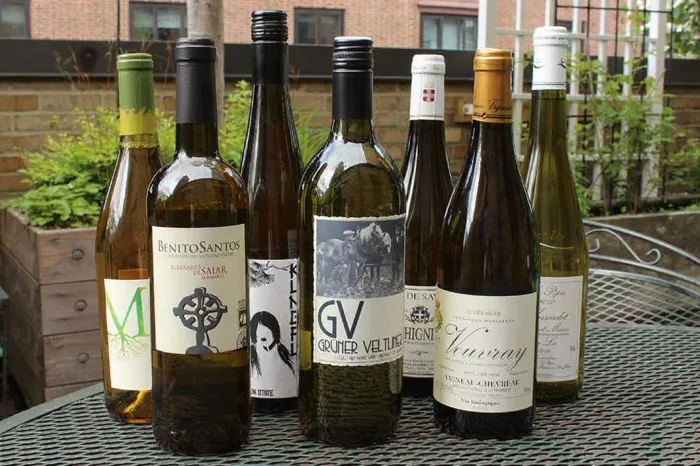
Why Nice Dry White Wine Matters (Hint: It’s More Than Just Not Sweet)
Let’s get one thing straight: a nice dry white wine isn’t just a fashion statement in a stemmed glass. It’s a lifestyle. It’s the zesty companion to sunshine lunches, the unsung hero of Monday night fish pie, and the liquid courage you need when you’re trying to impress people who swirl, sniff, and say things like “I’m getting notes of wet stone and existential angst.”
But before you ask for the driest white wine like someone ordering their martini with extra grit, let’s break down what makes a white wine “dry,” why you should care, and what the heck you’re supposed to do with it—apart from clutching it awkwardly at parties and/or chef-ing up a storm in your kitchen.
Dry White Wine: The No-Sugar-Coating Version
In wine-speak, “dry” means you won’t find a spoonful of sugar helping this bottle go down. This is all about residual sugar—the natural stuff left behind after fermentation. If yeast devours nearly all the grape sugar, you get a crisp, refreshing wine with less than one percent residual sugar (that’s less than ten grams per liter, for you stat fans). The taste? More tart, more mineral, and in many cases, more food-friendly than Uncle Ron’s sweet “dessert wine” that you tried to use as salad dressing that one time.
How Does Dry White Wine Taste?
Imagine citrus fruits had a family reunion: lemon, lime, grapefruit, and their rebellious cousin, green apple. Now, add a few surprise guests—pear, stone fruits (peach and apricot), herbal notes (honeysuckle, thyme), and a whiff of minerality so fresh you’ll think you’re licking a pebble after a rainstorm. Depending on the grape and winemaking techniques (oak vs. steel tank, anyone?), some have hints of spice, nuts, or the gentle caress of vanilla. Don’t be surprised if the wine is described as saline or flinty—this isn’t just for show; some wines genuinely taste like the beach got jealous and wanted in.
The Classic Line-Up: Grapes That Get the Job Done
1. Sauvignon Blanc
- The Beyoncé of dry whites: zesty, herbaceous, and guaranteed to get the party started. Expect citrus, green grass, and the occasional—let’s call it “cat’s pee”—note (wine nerds rejoice!). With origins in France’s Loire Valley and a passport that’s seen New Zealand, California, and Chile, it’s loved for pairing with goat cheese, seafood, and salads that are pretending to be healthy.
- Pinot Grigio & Pinot Gris
- The wine world’s Clark Kent/Superman identity crisis. Italian Pinot Grigio is light, crisp, and easy, while French Pinot Gris from Alsace is spicier and fuller. Oregon’s Pinot Gris throws a dinner party and doesn’t forget you—think spicy pear, lemon, and mysterious undertones that were probably invented in a poetry class.
- Chardonnay
- Our versatile friend. Unoaked Chardonnay: crisp, mineral, and posh like a Chablis in France. Oaked: rich and buttery like your favorite chicken pasta, with vanilla and caramel dreams. Pick yours based on mood (and budget) and pair with roast chicken, creamy sauces, or salmon if you’re feeling fancy.
- Albariño
- Spanish by birth, seafood soulmate by destiny. Albariño is fresh, floral, and a bit saline, like someone bottled a seaside breeze with hints of peach and lime. It loves ceviche, tapas, and all things oceanic.
- Grüner Veltliner
- Austria’s spicy answer to your sushi night. Flavors of apple, citrus, and that signature white pepper kick. The wine often comes in liter bottles—so you can have an extra glass, or just say you’re saving one for tomorrow (we won’t tell). Great with Asian food, schnitzel, and anything involving noodles or potato salad.
- Muscadet
- Bone-dry, mineral-driven, and made to make oysters cry tears of joy. This Loire Valley gem is clean, refreshing, and best enjoyed so well-chilled that your fridge starts sending passive-aggressive reminders about other beverages.
- Riesling (Dry or Off-Dry)
- Yes, some Rieslings are actually dry and not the sugar bombs Aunt Linda loves. Think juicy stone fruits with zesty acidity. Pair with spicy foods and find your happy place.
And we could go on: Soave, Picpoul, Grenache Blanc, Aligoté, and more, all waving from the Dry White Wine Parade.
How, When, and With Whom Should You Sip This Stuff?
- Temperature Trick: Chill most dry whites between 45–55°F (7–13°C). Too cold? Flavors go into hiding. Too warm? You’ll think you’re drinking nostalgia breath from your last summer barbecue.
- Glassware: Use glasses with narrow openings to keep the aromas locked in—nothing makes a wine sadder than being offered up in a mug.
- Food Pairing: Like that friend who gets along with everyone, dry whites just want to help. Seafood, chicken, salads, creamy pasta, and spicy Asian dishes—they’ve got your back. They even save the day when strong-flavored cheeses or bold summer flavors try to take over.
Dry White Wine in the Kitchen—The Unsung Flavor Booster
You might think cooking is all about butter, garlic, and the occasional existential crisis over noodle doneness. But add a splash of dry white wine, and suddenly, you’re Julia Child’s spirit animal (remember her legendary quip: “I enjoy cooking with wine. Sometimes, I even put it in the food.”). The acidity in these wines cuts richness, deglazes pans, and lends brightness to risottos, seafood sauces, and roast chicken. But before you pour in last week’s tragic wine find, know the rule: only cook with wine you’d drink—otherwise, your sauce is basically a gourmet prank.
Top picks for cooking (and sipping as you cook): Pinot Grigio, Sauvignon Blanc, Albariño, Muscadet, Pinot Gris, Chardonnay (dry and unoaked!), and dry sparkling wines labeled “Brut.” Avoid super-oaky Chardonnays—unless you like bitter sauce and culinary regret.
Shopping Tips: Navigating the Aisles Without Fear (or Pretending Expertise)
- Don’t be afraid to ask for “a nice dry white”—the good folks at the wine shop want you to succeed and might be saving the good stuff for confident shoppers (or those who look especially lost).
- If you want an adventure and extra glasses for the price, pick up a Grüner Veltliner. If you like bright acidity and seaside vibes, Muscadet or Albariño are easy wins. Chablis and Pinot Grigio are food-friendly classics.
In Conclusion: Raising a Glass to Dry White Wine
So, what is a nice dry white wine? It’s the bottle that won’t judge you for eating cheese straight from the fridge. It’s the unexpected hero when the risotto needs a lift and your dinner party guests need a conversation starter. It’s the crisp, mineral-loaded, citrus-celebrating friend you never knew you needed—until you reached for something refreshing, versatile, and just a little bit sassy. Whether as a porch sipper, culinary enhancer, or dinner table diplomat, dry white wine is here for you. Cheers—and remember, the only real mistake is not trying something new.