
















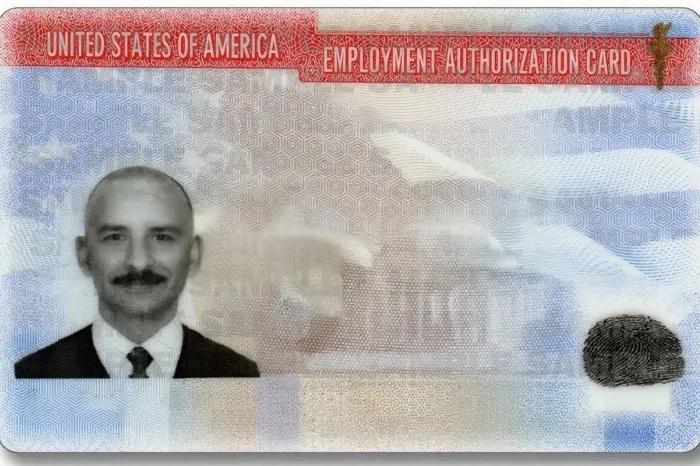
Thousands of spouses and dependents of professional experts running withinside the United States are dealing with new hardships as delays withinside the manufacturing and transport of Employment Authorization Document (EAD) playing cards disrupt their lives and livelihoods. These H-four visa holders, who’re legally approved to paintings withinside the US pending the receipt in their EAD playing cards, stay in a country of uncertainty in spite of having obtained acclaim for their applications.
The delays, which immigration legal professionals and advocacy corporations say are a end result of processing backlogs and card manufacturing problems on the United States Citizenship and Immigration Services (USCIS), are inflicting massive monetary and expert distress. Many individuals, who had formerly been contributing contributors of the American workforce, were compelled out in their jobs or positioned on unpaid go away truly due to the fact their authorised paintings authorization playing cards have now no longer arrived withinside the mail.
According to affected households, the effect has been quick and devastating. Some document receiving EAD approval notices months ago, most effective to locate themselves not able to give the real card to employers. With US hard work legal guidelines requiring bodily evidence of authorization, employers haven’t any preference however to droop or terminate employment till the file is in hand. As a end result, households depending on twin earning are suffering to manipulate family prices and monetary making plans has turn out to be an workout in uncertainty.
Immigration attorneys factor out that whilst USCIS has brought top rate processing to hurry up the preliminary approval phase, this has now no longer addressed the developing hole among approval and card issuance. “It’s like being given the keys to a brand new automobile, however the automobile is caught withinside the garage,” one lawyer noted, describing the irritating limbo many H-four visa holders presently face. The incapability to legally start or keep paintings, in spite of having secured authorization, undermines the very motive of the EAD software and has ripple outcomes for each people and their employers.
Advocacy corporations and prison professionals are calling for pressing reforms. They argue that until USCIS addresses the manufacturing bottlenecks, the promise of labor authorization for H-four visa holders stays hollow. Some factor to the monetary fees for US organizations compelled to disrupt plans or update skilled employees, whilst others warn that the delays erode accept as true with withinside the immigration manner altogether.
Until the cardboard manufacturing problems are resolved, H-four visa households are left hoping every new day brings higher information from their mailbox. For now, their lives stay on hold, stuck in a bureaucratic limbo among prison approval and sensible reality.