







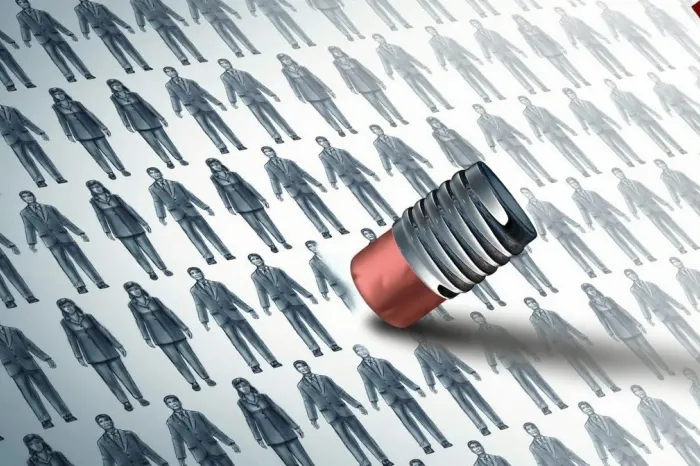
Cancel tradition has turn out to be a defining pressure in cutting-edge society, sparking fierce debates over public shaming, non-public accountability, and freedom of expression in media, entertainment, and regular life. What started out as a motion to cope with true misconduct now frequently looks like an unruly recreation of “Who’s Off the Island This Week?”—and it appears nobody is secure from a virtual pile-on.
Cancel Culture in Action: From Baseball Bars to Talk Shows
Former Major League Baseball pitcher John Rocker lately observed himself blaming what he calls the “woke mob” after being reduce off at a inn bar in Columbus, Ohio. Rocker claimed on social media that the group of workers denied him in addition beverages after spotting him—suggesting his outspoken perspectives had made him the present day sufferer of social ostracization. The inn declined to comment, possibly fearing a headline reading, “Bar Responds, Gets Canceled Too.” True, the info are fuzzy, however Rocker’s grievance is an ideal microcosm: celebrities attributing even mildly inconvenient moments to coordinated efforts from the guardians of cutting-edge virtue.
And then there’s Piers Morgan, whose very own emblem of outspokenness brought about his dramatic go out from a main TV morning show. After publicly expressing skepticism approximately Meghan Markle, Morgan prompted greater than 57,000 court cases to the UK’s broadcast regulator. “Absurdities of cancel tradition,” Morgan later known as the chain of events—and launched a ee-e book to show he’d bounced lower back simply fine. Apparently, the best issue now no longer canceled turned into his publishing deal.
The no-nonsense broadcaster-turned-provocateur hasn’t permit the talk gradual him down. In fact, Morgan has turn out to be an logo of resistance, combating what he characterizes as “thought-policing” that leaves society tiptoeing thru a verbal minefield where “my truth” trumps “the truth.” Whether you settle or now no longer, the fallout reminds celebrities that each microphone is probably connected to a social media megaphone.
Comedians Versus the Censors
Not even humor is immune. As America celebrated its 250th birthday, comics at New York’s well-known Comedy Cellar accrued to address the kingdom of loose speech (and, naturally, roast Lady Liberty). Hosted with the aid of using veteran comedian Judy Gold, the occasion featured sharp observations approximately whether or not comedy—a closing bastion for poking a laugh at life’s contradictions—can live on an technology of censorious outrage. Clubs just like the Comedy Cellar push lower back, promising audiences that it’s nevertheless ok to chortle on the world, and every so often at ourselves.
Ironically, comedy golf equipment now double as boards for public debate on loose speech—every person ready to look whether or not the funny story lands or a Twitter hurricane erupts. Comedians, who as soon as involved best approximately a hard crowd, now face the hazard of being one hashtag farfar from the virtual guillotine.
The Language Police and Their Expanding Rulebook
Cancel tradition’s attain now extends deep into language itself. Phrases which have lengthy on the grounds that seemed innocent are re-tested beneathneath a magnifying glass powered through collective outrage. “Black sheep,” “manpower,” “fieldwork”—phrases with harmless origins were recast as complex through range committees and college handbooks. Even “manholes” are out. (So a good deal for the Teenage Mutant Ninja Turtles.)
The fashion has reached academia and government, wherein new terminology is minted to keep away from inflicting offense—once in a while with effects greater bewildering than enlightening. Meanwhile, debate rages over whether or not this rebranding sincerely promotes inclusivity or in reality invitations a brand new form of confusion. For now, it seems each phrase is on probation, expecting a choice from the Ministry of Woke.
When Public Shaming Becomes a Spectator Sport
While cancel tradition can shine a highlight on actual issues, a good deal of the motion performs out as a form of truth television, with public shaming and social exile dished out for perceived wrongs—huge or small. From anti-white tweets through public officers to celebrities’ off-shadeation remarks, the effects can encompass the entirety from expert shame to on line ridicule. Yet, the script once in a while flips: current requires 2nd probabilities and forgiveness display that even the most harsh critics every so often tire of infinite outrage.
Forgiveness and debate approximately what constitutes actual duty have entered the conversation. Should beyond errors doom someone forever? Is an apology enough? Each case triggers new arguments, sparkling hashtags, and masses of memes—an infinite rerun in society’s maximum unpredictable display.
The Unsettling Humor of Modern Outrage
Despite those challenges, cancel tradition has stimulated a shocking backlash—one wherein satire and humor turn out to be gear for survival. Some of the maximum stinging opinions come now no longer from irritated pundits however from stand-up comedians who see the comedy withinside the chaos. If anything, society’s newfound skills for outrage can be the most effective factor which could unite us. After all, so long as someone, someplace is offended, we’re assured an infinite deliver of punchlines.
Cancel tradition now stands as each a cautionary story and a comedy script, reminding all and sundry to test their language, watch their drinks, and continually wave to the crowd—due to the fact you by no means understand while it’s your flip withinside the highlight.