












Songs about religion have long served as a way for musicians to comment on society and culture, blending their beliefs and views into popular music across genres such as punk rock and hip-hop. Punk band Bad Religion, for example, used their album “Against the Grain” to tackle issues like blind faith and human behavior. The song “Faith Alone” questioned the habit of trusting faith without taking action, highlighting the importance of personal responsibility. Other tracks on the album, such as “Modern Man” and “Flat Earth Society,” addressed environmental concerns and skepticism towards science, showing how punk music can become a vehicle for challenging ideas and encouraging critical thinking. Bad Religion’s work helped many young listeners raised in religious environments consider new perspectives, proving that music can spark dialogue about beliefs. Their socially conscious songs often reached mainstream audiences, making complicated philosophy accessible and relevant through catchy lyrics.
Similarly, hip-hop has become a platform for exploring religious themes and connecting diverse communities. Artists such as Shai Linne and Flame have used rap to discuss complex Christian ideas, with Linne’s “Lyrical Theology” album dedicated to theological concepts like the “hypostatic union.” These artists make religious teaching engaging and approachable, using modern beats to draw in young listeners and build a sense of unity. Cross-cultural collaboration has become more common, with musicians blending styles from gospel, rap, Afrobeats, and more. Playlists such as “Good Theology, Good Beats,” curated by the Gospel Coalition, showcase songs that address faith, aiming to bring together believers from Black, white, and Latino backgrounds.
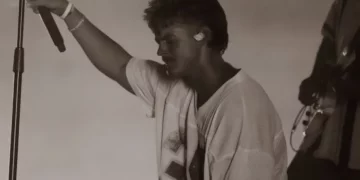
The rise of streaming platforms and social media has helped religious music reach a larger audience. Songs by Christian musicians like Brandon Lake and Forrest Frank are now appearing on the Billboard Hot 100, signaling a renewed interest in spiritual themes in mainstream music. Artists often mix genres, creating tracks that appeal to listeners in traditional churches as well as those who favor contemporary sounds. Forrest Frank, for instance, changes languages and formats to connect with his international fanbase, showing how music about religion can cross borders and adapt to different cultures.
Secular hip-hop artists have also begun incorporating religious references into their lyrics, sometimes contrasting them with raw language and stories about personal struggles. Music experts note that hip-hop has become a shared language, much like country music, where musicians openly discuss their faith alongside life challenges. Songs like “Fal$e Teacher$” criticize religious leaders who promote wealth and success, urging listeners to be cautious about messages that prioritize material gain. The internet allows people to listen to these songs from anywhere in the world, connecting voices from Africa, Latin America, and beyond.
Overall, songs about religion offer more than entertainment—they encourage conversation about values, identity, and social issues. As artists continue to innovate and respond to changing audiences, religious music in the 21st century is becoming more diverse and influential, reflecting an evolving cultural landscape where faith and music intersect.