














Cheating and heartbreak have long been central themes in country music, weaving their way through decades of hits and shaping the genre’s emotional and cultural identity. For nearly a century, country artists have used stories of infidelity to express pain, anger, and sometimes empowerment, turning personal betrayal into chart-topping anthems that resonate with millions.
From the earliest recordings in the 1920s to today’s hits, cheating songs have played a vital role in defining country music. The tradition began with old ballads and early stars like the Carter Family and Hank Williams. Williams’ iconic 1952 classic, “Your Cheatin’ Heart,” is often seen as the perfect example of country heartbreak, capturing raw emotion and universal sorrow. Cover versions by countless artists have kept the song alive for generations.
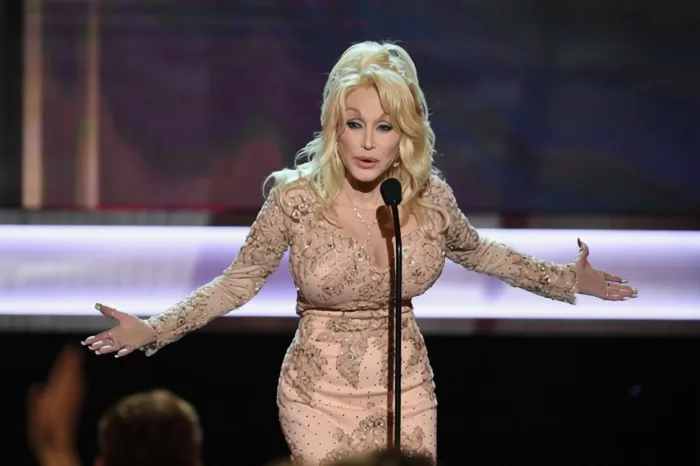
Throughout the years, the theme of cheating has evolved. Early songs often reflected the pain and anger of being betrayed. In the honky-tonk era, singers like Ernest Tubb and George Jones added wordplay and dark humor to the subject. Loretta Lynn’s “You Ain’t Woman Enough (To Take My Man)” and Dolly Parton’s “Jolene” introduced new dimensions, with women confronting rivals or pleading with them, rather than only blaming their unfaithful partners. These songs, packed with emotion and clever lyrics, reflected the struggles of ordinary people and helped fuel the rise of powerful women in country music.
As country music entered the late 20th and early 21st centuries, female artists became celebrated for transforming cheating heartbreak into songs of strength and revenge. Miranda Lambert’s “White Liar” and “Kerosene,” Carrie Underwood’s “Before He Cheats,” and The Chicks’ “Earl Had to Die” described not only the pain of betrayal but also the determination to fight back or move on. These anthems continue to connect with listeners who have experienced similar heartbreak, offering not just comfort but a sense of empowerment.
Cheating songs remain popular on radio playlists, with classics like Alan Jackson’s “Who’s Cheatin’ Who,” Shania Twain’s “Whose Bed Have Your Boots Been Under?” and Sugarland’s “Stay” earning new fans. The enduring popularity of these tracks shows just how deeply cheating, heartbreak, and emotional honesty are woven into the heart of country music. For many, these songs help turn personal loss into shared stories of survival and hope, cementing cheating as one of the genre’s most enduring—and relatable—themes.