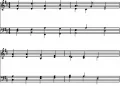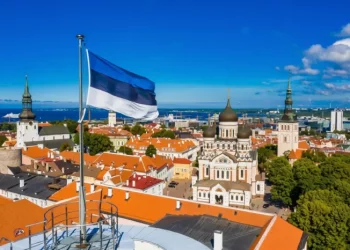
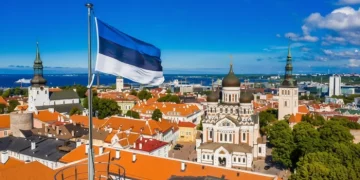


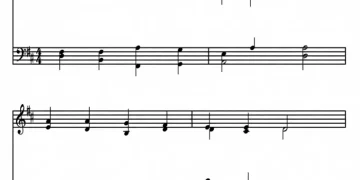











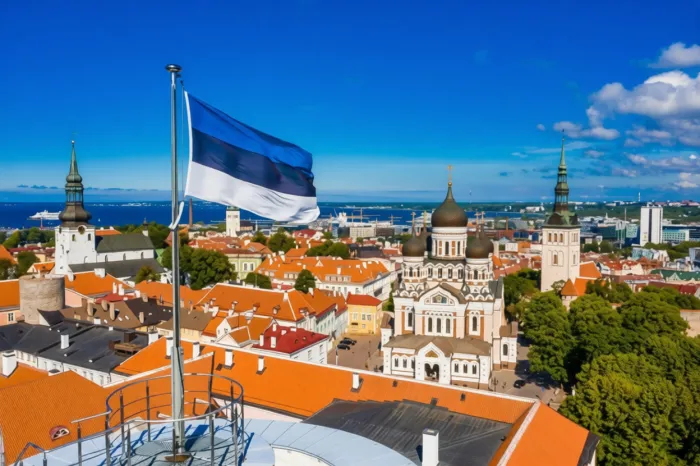
Singing has long played a powerful role in Estonia’s national identity and its protest traditions. Since the establishment of the Song Festival in 1869, music has been a way for Estonians to express pride and hope. This tradition became especially important during the late 1980s and early 1990s when thousands came together for the Baltic States’ Singing Revolution. During these gatherings, people sang patriotic songs to show their desire for freedom from Soviet rule, making their voices heard across the country and the world.
The impact of singing in Estonia is clearly reflected at the Vabamu Museum of Occupations and Freedom in Tallinn. The museum documents Estonia’s turbulent history from 1940 to 1991, covering the times of both Nazi and Soviet occupations. Visitors can see personal items donated by those who lived through these events, including letters from Estonians deported to Siberia and the belongings of families who fled the country. One display features the canvas bag used by Olga Kistler-Ritso, the museum’s founder, as she escaped Estonia, and another shows the boat a family used to reach Sweden in search of safety.
Singing was much more than entertainment; it became a symbol of hope and resistance. Even those deported to Siberia risked punishment by singing the Estonian anthem and other patriotic songs. On holidays, they gathered secretly to sing, holding onto their culture and unity under difficult conditions. The tradition also lived on among Estonians who settled abroad, especially through global ESTO festivals.
The first ESTO festival was held in Toronto in 1972, bringing together 25,000 Estonians from many countries to celebrate their heritage with sports and singing. Today, many Estonian expatriates return home for the Song and Dance Celebration, but the ESTO festivals continue internationally, recently held in New York City. These events help preserve Estonian cultural traditions and remind people of the power of song in their history.
Estonia’s example shows how music can unite people in times of struggle. Through protest songs, Estonians found not only a way to resist oppression but also to celebrate their identity, keeping their voice strong even when facing great challenges.