













Spanish love songs have surged in global popularity, connecting listeners from all walks of life, largely through the influence of artists like Bad Bunny. Even people who do not speak Spanish often describe being swept up by these tracks, feeling a shared sense of longing and celebration, regardless of language barriers.
The Universal Appeal of Spanish Love Songs
Listeners often say that Bad Bunny’s music expresses emotion that goes beyond vocabulary. A fan from Tokyo, speaking about her first experience with his hit single, described the sensation as feeling “invited into someone’s heart, as if the rhythm itself was telling a story.” Social media is awash with similar anecdotes, with fans from Brazil to Sweden posting about finding comfort and joy in the melodies—even before understanding the lyrics. Platforms like TikTok and Spotify have played an important role, with countless users sharing clips of themselves dancing or reflecting alongside Bad Bunny’s tracks, showing how Spanish love songs have become a soundtrack for diverse life moments worldwide.
Bad Bunny’s Musical Roots and Cultural Identity
Bad Bunny’s albums are notable for blending reggaeton, trap, salsa, and plena. Tracks often transport listeners to the streets of Puerto Rico; in one song, the artist shouts out to the bakery in his hometown, reminding fans of shared everyday experiences. Local musicians frequently appear on his records, and references to Puerto Rican identity are woven through even his most romantic verses. In interviews, Bad Bunny talks about wanting “every phrase and beat to be true to where I come from”—a sentiment echoed by fans who see him as a cultural ambassador, especially when themes of love and heartbreak become intertwined with social pride and resilience.
Impactful Performances and Cultural Moments
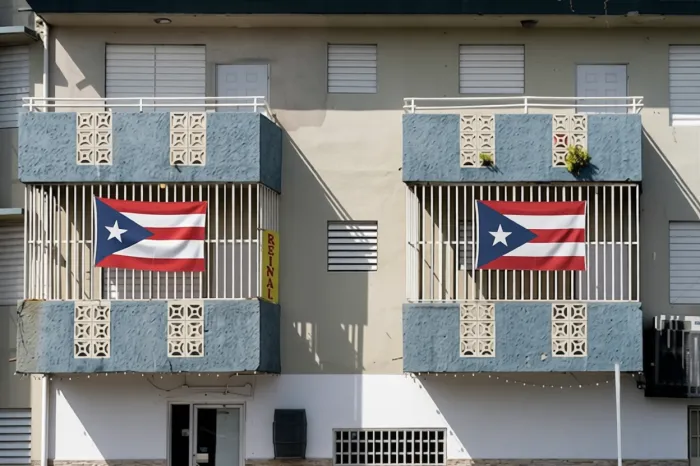
One defining moment came during his Super Bowl halftime appearance, where Bad Bunny performed exclusively in Spanish. The spectacle was filled with dancers in traditional attire, vibrant displays of Puerto Rican colors, and nods to iconic Latin American art. Observers noted that, even with a primarily English-speaking audience, the overwhelming response was one of admiration. Some fans described how his refusal to switch languages “made us feel seen and heard on the world’s biggest stage,” turning a pop concert into a cultural statement about self-acceptance and pride.
Changing Perspectives and Lasting Influence
For many, Bad Bunny’s success has marked a shift in the entertainment landscape, normalizing Latino identity at the forefront of mainstream music. Fans now talk openly about embracing their roots, often referencing lyrics that remind them of family or home. The widespread appeal of Spanish love songs proves that genuine emotion and pride resonate far and wide, inspiring new generations to explore and celebrate their own cultures. In the words of one longtime fan, “When I hear Bad Bunny sing about love, it’s like he’s building bridges that let all of us meet in the middle—no translation needed.”