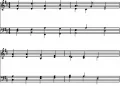



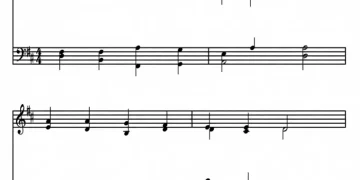













George Gershwin’s “Summertime,” originally introduced in the opera Porgy and Bess in 1935 on Broadway, has become a staple of American music. Despite initial debates among critics about whether Porgy and Bess was an opera or a musical, “Summertime” quickly emerged as the most enduring and beloved element of the production. The lullaby was first sung by the character Clara, setting the tone for the opera and resonating far beyond the stage.
The opera itself was groundbreaking, featuring a cast of African American singers at a time when Broadway producers typically insisted on white singers in blackface. Gershwin refused to compromise on his artistic vision, insisting on authenticity. Although the opera faced challenges and only ran for 124 performances, its musical numbers, especially “Summertime,” gained popularity when released separately as jazz songs.
“Summertime” has since been recorded by countless artists and adapted in various musical styles. Kenny G’s saxophone version brought new life to the tune, while Fats Domino and other musicians have added their interpretations. The song holds a special place for many listeners, evoking memories of summer, family, and a long tradition of American music. For some, “Summertime” is more than just a song—it’s a reminder of cherished moments and blessings.
The opera Porgy and Bess, inspired by DuBose Heyward’s novel and set in Charleston, tells the story of love, struggle, and hope among the residents of Catfish Row. “Summertime” serves as a gentle lullaby amidst the drama, providing comfort and warmth. The themes explored in Porgy and Bess reflect both the challenges and the resilience of its characters, resonating with audiences across generations.
Today, “Summertime” stands as one of the most recorded songs in American history. It continues to inspire musicians and delight audiences, marking its place as a timeless classic that transcends its origins and remains relevant in contemporary culture.