

















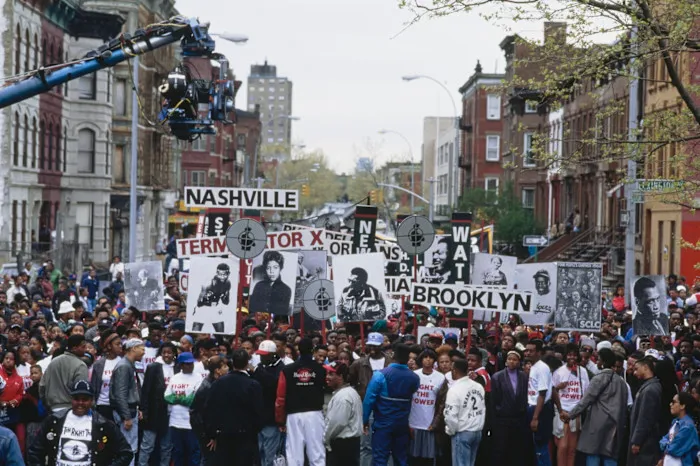
Protest songs have long served as powerful tools for social and political change, rallying people around causes and movements. In the past, artists like Country Joe McDonald and his band Country Joe and the Fish captured anti-war sentiments with songs like “I-Feel-Like-I’m-Fixin’-to-Die Rag,” which became an anthem at Woodstock in 1969. These songs created a sense of unity and clear opposition during times of conflict, inspiring large crowds to join in collective action through music.
Today, however, protest music faces new challenges. While the spirit of dissent remains alive—evident in recent pro-Palestine and anti-ICE messages at major events—the direct and impactful protest songs of previous decades seem less common. The 1970s to early 2000s produced memorable anthems such as Marvin Gaye’s “What’s Going On,” Rage Against the Machine’s “Killing in the Name,” and Green Day’s “American Idiot.” In contrast, recent years have seen fewer widely recognized protest hits in the English-speaking world, though other countries like Nepal have witnessed politically charged music influencing elections.
Experts point to several reasons for this shift. The rise of streaming platforms has fragmented audiences, making it harder for singular protest anthems to gain widespread attention. Moreover, modern protest songs often emphasize representation and identity over explicit political messaging. Artists like Beyoncé and Bad Bunny incorporate social commentary through their work, highlighting issues such as racial inclusion and economic struggles in subtler ways. This trend reflects a move away from straightforward slogans toward more nuanced forms of expression.
Despite these changes, there are signs that traditional protest music is resurging in some forms. New voices like Arkansas singer-songwriter Jesse Welles address current issues such as opioid addiction and political corruption with raw and direct lyrics. Bruce Springsteen’s recent song “Streets of Minneapolis” responded swiftly to state violence against protesters, demonstrating that music can still serve as a timely platform for resistance. These examples suggest that while the style may evolve, the role of music as a vehicle for social change persists.
Music scholars emphasize that protest music has never been neutral; it reflects ongoing movements and sustains hope among activists. Though modern political songs might not always dominate charts or public consciousness as they once did, they continue to inspire conversations and reinforce collective efforts for justice. In a world where political climates shift rapidly, music remains a vital form of expression—offering both reflection on current struggles and motivation to keep fighting for change.