




















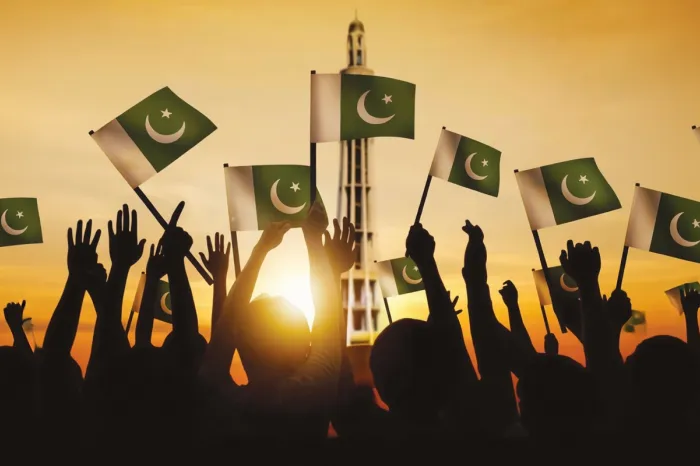
For many Pakistanis, especially those whose families experienced the Partition of 1947, national days like March 23 hold deep emotional significance. These days are more than just holidays; they are moments to remember the sacrifices and hopes tied to the country’s creation. In the past, March 23 was marked by school events featuring patriotic songs, debates on important resolutions, and special television programs. Streets and homes were decorated with national symbols, creating a collective sense of pride and reflection.
However, younger generations often view these historic events as distant textbook chapters rather than lived experiences. The emotional connection to Partition has faded over time because memories were not always passed down by parents who faced modern-day challenges. For many young Pakistanis today, the stories of migration and nation-building feel far removed from their everyday lives.
The legacy of patriotism is preserved through the works of poets and artists who lived through those early years. Rais Amrohvi, a poet who migrated to Pakistan in 1948, expressed his devotion through his poetry and patriotic songs during the 1965 war. His verses, performed by famous singers like Mehdi Hassan, captured the spirit of sacrifice and love for the homeland. These songs remain powerful reminders of the country’s struggles and resilience.
Families who experienced migration firsthand also emphasize respect for national symbols and history. Ali Muthahir, who moved to Pakistan as a teenager in the 1950s, instilled a strong sense of patriotism in his children, teaching them to honor the national anthem and flag. Similarly, third-generation Pakistanis like Laiba Hammad continue to keep the memory alive by visiting historical landmarks such as Minar-e-Pakistan and sharing stories passed down from their elders.
While national days can sometimes feel like routine celebrations, they serve an important purpose in connecting people to their shared past. These observances remind citizens of the collective struggles that shaped their homeland. As one elder noted, despite its challenges, Pakistan remains a home for millions—a place of belonging that must be cherished. Ensuring these memories remain vivid requires ongoing effort to make history engaging for new generations through songs, stories, and meaningful commemoration.