


















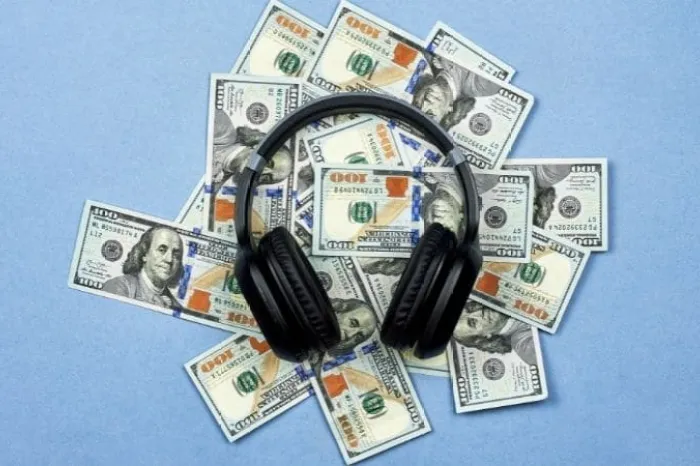
In a surprising revival, Anita Ward’s 1979 disco classic “Ring My Bell” has become a viral sensation among Gen Z, who believe the song can help attract money and good fortune. This unusual trend, which gained momentum on TikTok, encourages listeners to play the song repeatedly while reciting affirmations like “I am wealthy” and “cancel my debt.” Many users have added dancing to their routine, claiming it enhances the manifestation effect.
The trend began when TikTok creator @GoddessInanna15 described the song as a “Matrix hack” that functions as a manifestation and reset frequency. Followers were urged to use specific affirmations during the song, which supposedly activates a “feminine receiving portal” and aligns with numerology principles. Testimonials from believers report unexpected financial gains, new job opportunities, and other positive life changes after incorporating the song into their daily rituals.
Streaming data confirms the trend’s impact, with “Ring My Bell” streams jumping by 277% recently, reaching over 2.5 million plays in one week. The popularity has extended beyond this track, with other songs like Enya’s “May It Be” and Pink Floyd’s “Wish You Were Here” also gaining attention for their so-called “abundance frequency.” Fans credit specific sound frequencies such as 432 hertz or 528 hertz for enhancing these effects, often sharing altered versions of classic songs to amplify their perceived power.
Experts caution that while music itself does not possess magical properties, it can strongly influence the brain’s emotional and motivational states. Dr. Patrick K. Porter explains that music activates emotional centers and memory networks in the brain. When combined with intention and repeated listening, songs can create mental anchors that trigger positive feelings such as confidence and motivation. This psychological conditioning may help listeners take practical steps toward financial success, which they then attribute to the music.
Music industry specialist Nikki Camilleri agrees that a song’s power comes from its emotional connection rather than any supernatural quality. She notes that when people hear a song during important moments, their brains tag it with those emotions. Over time, hearing the song again can prime individuals to feel energized or focused, effectively making it a shortcut to a desired mental state.
Although there is no scientific evidence that playing disco hits will directly bring wealth, participants in the trend report that starting their day with music and affirmations helps set a positive tone and focus their intentions. Whether or not it leads to actual money, many appreciate the boost in mood and motivation.
This phenomenon highlights how popular culture and social media continue to shape how young people engage with ideas about wealth and success. The mix of nostalgia for classic songs with modern digital rituals offers a fresh example of how music remains an influential force in everyday life.