



















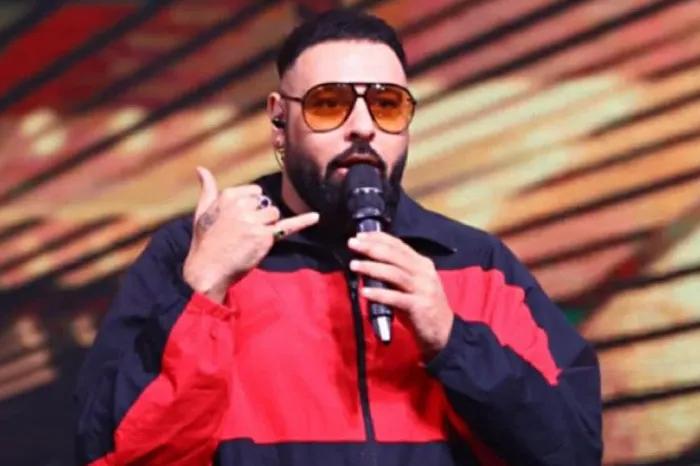
Indian rapper and singer Badshah has pledged to produce a song promoting women’s empowerment within the next four months, following a public controversy over his recent track “Tateeree.” The artist also announced his commitment to sponsor the education of 50 underprivileged girls as part of his efforts to support women’s upliftment.
The controversy erupted when the National Commission for Women (NCW) reviewed “Tateeree,” finding its lyrics and visuals offensive to women’s dignity. The song, released in March, featured schoolgirls dancing and was criticized for containing sexually suggestive and vulgar content. This sparked widespread backlash, leading to FIRs being filed in Haryana and the removal of over 850 online links to the song by local police.
Badshah appeared before the NCW on April 7, where he submitted an unconditional written apology along with the song’s directors and producer. NCW Chairperson Vijaya Rahatkar expressed serious concern about the impact of such content on society and directed all involved parties to prevent similar incidents in the future. The commission emphasized that content damaging to women’s decency cannot be overlooked.
In a video statement shared earlier on social media, Badshah clarified that he never intended to offend women or children from Haryana, his home state. He explained that his artistic style, rooted in hip-hop culture, often involves competitive language but assured that disrespect towards women was never his aim. He expressed pride in his Haryanvi identity and committed to using his platform positively going forward.
In addition to apologizing, Badshah’s promise includes not only producing a women empowerment track but also sponsoring education for 50 economically disadvantaged girls. His lawyer confirmed that he is keen to raise funds for other women-focused initiatives as well. The NCW will monitor his commitments closely to ensure follow-through.
The case has also drawn attention to relevant Indian laws concerning obscenity and representation of women, such as the Indecent Representation of Women (Prohibition) Act of 1986 and sections of the Information Technology Act and Indian Penal Code. The incident underscores ongoing debates about artistic freedom versus social responsibility in media content.
Badshah remains one of India’s most popular music artists, with a large fan base across the country. This episode highlights the challenges artists face balancing creative expression with cultural sensitivity. Observers will be watching closely to see if Badshah’s future projects align with his renewed commitment to promote respect and empowerment for women.