





















In the natural world, animal vocalizations and songs serve as essential tools for communication, survival, and social interaction. From the haunting melodies of endangered birds to the powerful calls of marine giants, these sounds connect creatures across ecosystems and inspire human fascination.
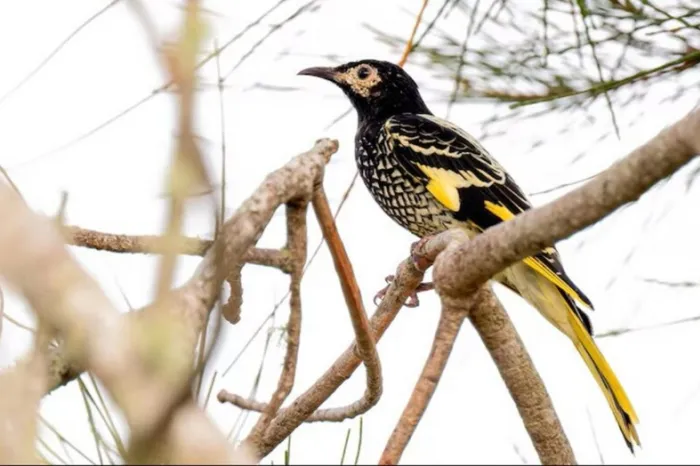
One striking example comes from Australia, where the critically endangered regent honeyeater is at risk of losing its unique mating song. With fewer than 300 individuals left in the wild, young male honeyeaters have been observed imitating other bird species instead of their own. This loss threatens their ability to attract mates, which could hasten their extinction. To combat this, scientists at the Australian National University have introduced an innovative approach by providing captive birds with ‘singing lessons.’ Wild male honeyeaters are brought into aviaries to tutor young males in their native song, helping restore this vital behavior before releasing them back into the wild.
Beyond birds, a variety of animals are renowned for their vocal abilities. Humpback whales produce complex songs that can last over 30 minutes and travel thousands of kilometers underwater. These songs evolve over time within whale populations, creating a shared cultural tradition. On land, creatures like the indri lemur sing haunting choruses to mark territory and maintain social bonds, while northern mockingbirds mimic hundreds of sounds—including human-made noises—to impress potential mates.
The diversity of animal songs extends to frogs, howler monkeys, seals, cicadas, and elephants, each using sound in unique ways to communicate or defend territories. For instance, howler monkeys produce the loudest calls among land mammals that can be heard miles away in dense forests. Cicadas generate intense buzzing above 100 decibels to attract mates and deter predators. Elephants communicate through low-frequency rumbles that travel long distances and even through the ground.
Scientific research has revealed that these animal sounds are not just important for survival but also have healing effects on humans. Studies show that hearing birdsong can improve mental wellbeing and reduce symptoms of depression for hours afterward. The rich acoustic environment provided by diverse wildlife signals a healthy ecosystem and enhances human connection with nature.
Moreover, some animals display remarkable learning abilities when it comes to their songs. Recent research on fruit flies shows that male flies can adjust their courtship songs based on social experiences with females. Although their songs are genetically inherited, these insects can modify how and when they sing to improve mating success. This finding challenges previous assumptions about fixed animal behaviors and highlights the role of experience in communication.
In essence, animal vocalizations form a complex orchestra that resonates throughout the natural world. These sounds embody life’s vitality and serve as a reminder that humans are part of a larger community where every voice matters. Protecting endangered species like the regent honeyeater ensures that this symphony continues to thrive for generations to come.