














Every four years, the FIFA World Cup brings not only thrilling football matches but also memorable music that captures the spirit of the tournament. These songs, often commissioned by FIFA or created by artists from host nations, help celebrate the event and unite fans worldwide. The World Cup songs usually highlight the culture of the host countries and are sometimes released in multiple languages to reach a wider audience.
For the upcoming 2026 World Cup, a special album featuring artists from across North America will serve as the tournament’s official soundtrack. This approach follows the tradition set by the United States in 1994 with their compilation album Gloryland World Cup USA 94. The first single for the 2026 event, titled “Lighter,” is a collaboration between American rapper Jelly Roll and Mexican singer-songwriter Carin Leon. While reactions to this new track have been mixed, it continues the long-standing tradition of songs playing a key role in World Cup celebrations.
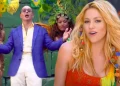
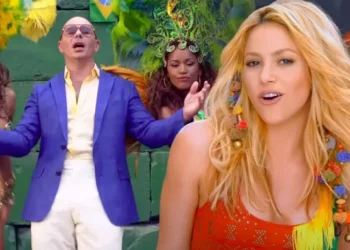
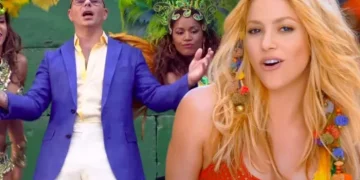
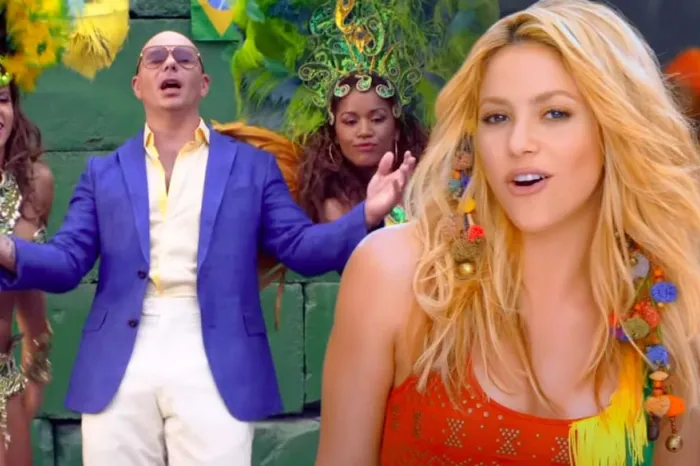
Looking back, several World Cup songs have become iconic and are still fondly remembered today. One of the most popular anthems is Pitbull’s “We Are One (Ole Ola),” which featured Jennifer Lopez and Claudia Leitte for the Brazil 2014 tournament. Despite some criticism about its portrayal of Brazilian culture, this catchy pop-rap song has amassed over a billion views on YouTube and remains a nostalgic favorite for many fans.
Going further back, Italy’s 1990 anthem “Un’estate italiana” remains a classic. Produced by Giorgio Moroder and performed by Edoardo Bennato and Gianna Nannini, this song captured the excitement of Italia ’90 with its blend of synths, guitars, and memorable vocals. Although slower in tempo compared to modern anthems, it is still celebrated as one of the earliest official World Cup songs that set a high standard for future tournaments.
Ricky Martin’s “Cup of Life (La Copa de la Vida)” for France 1998 is another standout track. This song helped launch Martin into international stardom and became synonymous with football celebrations worldwide. His energetic performance at the 1999 Grammy Awards is often credited with opening doors for Latin artists in mainstream music markets.
The 2010 World Cup saw two notable songs connected to South Africa’s hosting. K’naan’s “Wavin’ Flag (Celebration Mix)” was widely used in promotions despite not being FIFA’s official anthem. Its uplifting message about unity and hope struck a chord globally. Meanwhile, Shakira’s “Waka Waka (This Time for Africa)” became perhaps the most successful World Cup song ever, selling millions of copies and gathering billions of views online. Featuring South African band Freshlyground and drawing from African musical roots, it celebrated resilience and togetherness on a global stage.
These songs do more than just entertain; they create lasting memories tied to football’s greatest event. As fans prepare for the 2026 tournament, these anthems remind us how music and sport come together to inspire passion, unity, and celebration across cultures.