
















Country music has long embraced themes rooted in rural life, with songs about dirt serving as a metaphor for hard work, heritage, and connection to the land. Recently, however, a new wave of creative takes and parodies on dirt-themed country songs has emerged, blending humor with social and political commentary. These reinterpretations highlight the evolving landscape of country music and its audience.
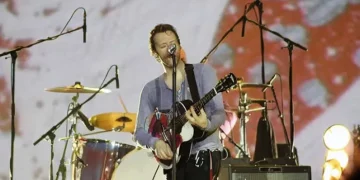
One notable example comes from fans of Zach Bryan, a prominent figure rising rapidly in the country music scene. While Bryan’s talent and authentic songwriting have earned him comparisons with top artists like Morgan Wallen and Luke Combs, his recent political expressions have sparked debate among fans. Some supporters appreciate his middle-of-the-road views and occasional critiques of political issues, while others feel alienated by his outspoken stances on topics such as immigration enforcement and political organizations.
This division among listeners reflects a broader trend where country artists are navigating the balance between traditional storytelling and engaging with contemporary social issues. Parodies inspired by these dynamics often use dirt as a symbol not only of rural roots but also of cultural and ideological soil being contested. The humor found in these parodies provides a platform for both critique and celebration of country music’s evolving identity.
Critics argue that the politicization of country music risks alienating parts of its audience who prefer apolitical or universally relatable content. Supporters counter that artists expressing genuine views contribute to the genre’s richness and relevance. This tension is evident in online discussions where fans debate the appropriateness of political commentary within country music, highlighting figures who maintain broad appeal versus those who adopt more partisan voices.
In addition to political commentary, parodies about dirt-themed songs also creatively explore rural life’s everyday realities with wit and satire. These humorous takes often exaggerate typical country motifs—muddy boots, dusty fields, and small-town living—to entertain while preserving respect for the culture they depict. Such creative expressions demonstrate the versatility of country music as a medium for storytelling beyond traditional boundaries.
As country music continues to evolve, the interplay between parody, political discourse, and traditional themes like dirt reflects a genre in transition. Artists and fans alike are redefining what it means to connect through music grounded in shared experiences yet open to diverse perspectives. This ongoing conversation ensures that country songs about dirt remain relevant, engaging, and capable of inspiring both laughter and reflection.