


















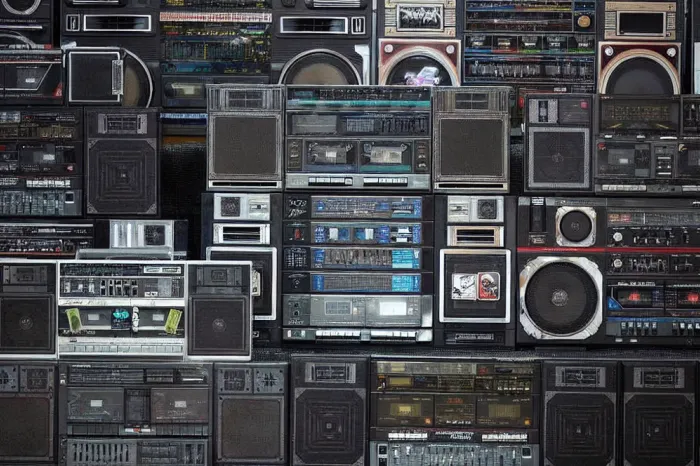
Hip-hop, a cultural movement that began in the Bronx in the early 1970s, continues to hold a significant place in music and society worldwide. Founded by pioneers such as Afrika Bambaataa, DJ Kool Herc, and Grandmaster Flash, hip-hop started as a creative outlet for marginalized youth. It combined DJing, rapping, graffiti art, and breakdancing to express identity, resistance, and community spirit. Over the decades, hip-hop has grown beyond its origins to become a dominant global cultural force.
Afrika Bambaataa, one of hip-hop’s founding figures, passed away recently at the age of 68. Known for his role in shaping hip-hop’s sound and ethos, Bambaataa co-founded the Universal Zulu Nation in 1973. This organization aimed to use hip-hop culture to steer young people away from gang violence by promoting peace, unity, love, and fun. His influential 1982 track “Planet Rock” helped pioneer electro music and expanded hip-hop’s reach internationally. Despite controversies surrounding his personal life, his contributions to establishing the Bronx as the birthplace of hip-hop remain widely acknowledged.
The cultural depth of hip-hop is further illustrated by groups like A Tribe Called Quest. Unlike many artists who seek to dominate through loud or flashy performances, they chose a more reflective approach. Their music balances rhythm with thoughtful lyrics and jazz-influenced production. Albums like “The Low End Theory” showcase how hip-hop can blend groove with introspection, creating timeless sounds that transcend generations. Their work highlights how hip-hop is not just music but a conversation about life and identity.
However, hip-hop today faces challenges that question its future direction. After celebrating its 50th anniversary in 2023 with global recognition and strong album releases from several artists, the genre has experienced a decline in sales and streaming numbers. The commercial influence of hip-hop appears to be waning as newer artists struggle to capture the innovation and cultural relevance that icons like Kendrick Lamar once held. Critics note a lack of creative coherence and fresh voices to carry hip-hop forward into its next chapter.
This moment of uncertainty has sparked debates about whether hip-hop is losing its grip on mainstream culture or simply undergoing a transformation. Some argue that it remains vibrant beneath the surface, with artists experimenting with new sounds and ideas outside the commercial spotlight. Others see it as entering a midlife crisis where it must reconcile its rich past with contemporary demands. Regardless of these challenges, the core elements that define hip-hop—as a culture rooted in community expression and social commentary—continue to inspire millions around the world.
Ultimately, hip-hop’s legacy is not only about chart-topping hits but about its role as a cultural movement that gave voice to those often unheard. It shaped fashion, language, politics, and art across continents. Whether facing decline or renewal, hip-hop remains a powerful symbol of creativity and resilience that has forever changed the global cultural landscape.