














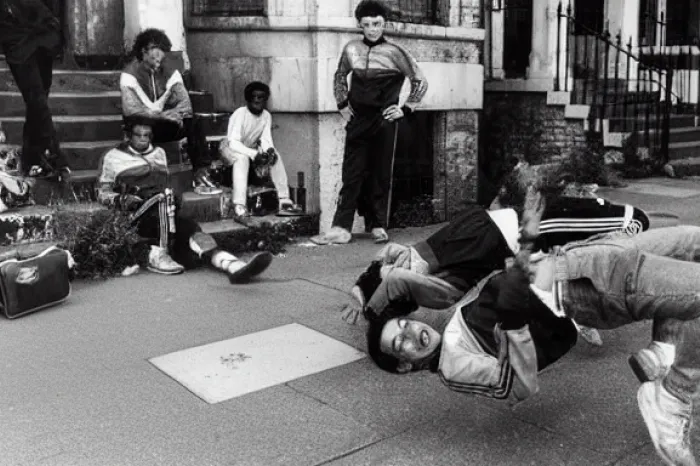
Hip-hop, a cultural movement known worldwide today, began as a vibrant form of self-expression in the streets of New York City during the late 1970s. Emerging primarily in the Bronx, hip-hop was born out of the struggles faced by Black and Caribbean communities, offering a voice to those who felt unheard in society. This cultural revolution combined music, dance, art, and identity into a unique and powerful force.
The origins of hip-hop trace back to block parties where DJs like Kool Herc and Grandmaster Flash pioneered new musical techniques. Kool Herc is often credited with hosting a historic party at 1520 Sedgwick Avenue, regarded as the birthplace of hip-hop. Here, DJs would isolate and extend drum breaks, creating continuous beats that laid the foundation for what would become hip-hop music. These parties were more than entertainment—they were safe spaces for youth to express themselves amid social challenges.
Hip-hop culture consists of four original elements: DJing, MCing (rapping), graffiti art, and breaking (breakdancing). DJs innovated by mixing breakbeats on turntables, while MCs developed rhythmic spoken word performances that told stories about life and struggle. Meanwhile, graffiti artists transformed urban spaces with colorful murals that expressed identity and resistance. Breaking added a physical dimension with athletic dance moves performed on streets and dance floors.
The music of hip-hop evolved rapidly during the 1980s and 1990s, moving from underground block parties to mainstream success. Early rap groups like The Sugarhill Gang brought hip-hop to recorded music with hits such as “Rapper’s Delight,” which became the first rap single to reach the Top 40 charts. Later acts including Run-D.M.C., Public Enemy, Tupac Shakur, and The Notorious B.I.G. shaped hip-hop’s direction with their powerful lyrics addressing social issues and urban life.
Hip-hop dance also grew alongside the music, starting as spontaneous street performances before becoming a global phenomenon featured in movies, television shows, and competitions. Styles diversified by incorporating elements from jazz and contemporary dance, while battles and crews provided platforms for dancers to gain recognition.
Today, hip-hop is a global language of creativity that transcends its origins. It influences fashion, language, politics, and social movements worldwide. Artists from diverse countries use hip-hop as a tool for storytelling and activism, reflecting local experiences while connecting to a broader community. The digital era has expanded its reach even further through streaming platforms and social media.
Understanding when hip-hop started means recognizing its birth in the Bronx during the 1970s—a response to adversity that sparked an enduring cultural revolution. From its humble beginnings at block parties to its status as a dominant force in global culture, hip-hop remains a living movement that continues to inspire new generations across the world.