

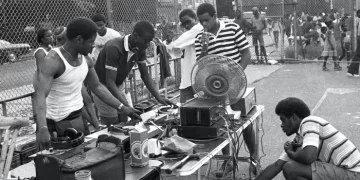

















Hip-hop is much more than a music genre; it is a vibrant culture that has deeply influenced many aspects of society, including sports, fashion, and entertainment. This cultural movement originated in the late 1970s and has evolved through its four fundamental elements: DJing, MCing, breaking, and graffiti writing. These pillars represent hip-hop not only as an art form but as a way of life that reflects community struggles, creativity, and identity.
One of the most visible intersections of hip-hop culture is its relationship with basketball. The two have grown together since the early days of hip-hop, sharing similar roots in urban Black communities. The synergy between basketball and hip-hop is evident in the way players and artists express themselves with style, rhythm, and flair. This connection was highlighted in early rap songs like Sugar Hill Gang’s “Rapper’s Delight” and Kurtis Blow’s “Basketball,” which brought sports references into hip-hop music and helped popularize both.
Basketball games have long featured hip-hop music as an energizing backdrop, creating a dynamic atmosphere for fans and players alike. DJs play a central role in this environment, though some veterans argue that today’s music at games can sometimes overshadow the sport itself. Beyond the arena, many basketball players have embraced hip-hop culture by engaging in rap music or fashion. This mutual admiration has fostered respect between athletes and rappers, with name-drops in songs becoming badges of honor for players.
Despite hip-hop’s deep cultural roots and widespread influence, recent trends have raised questions about its current standing in mainstream music. For instance, there was a notable moment when no rap songs appeared in the Billboard Top 40 for the first time since 1990. Some observers wonder whether this signals a decline in hip-hop’s commercial dominance or simply reflects shifts in musical tastes and industry dynamics. Nevertheless, hip-hop remains a powerful cultural force with enduring relevance.
Experts emphasize that hip-hop’s strength lies in its ability to adapt and express authentic experiences from diverse communities. The genre’s influence extends beyond music to fashion trends, such as sneaker culture, which owes much to both basketball players and rappers making bold style statements. Additionally, collaborations between artists and athletes continue to highlight hip-hop as a culture that celebrates individual talent while fostering collective identity.
Ultimately, hip-hop stands as a complex cultural phenomenon rooted in history but constantly evolving. Its interplay with basketball exemplifies how cultural expressions can merge to create something greater than the sum of their parts. While commercial charts may fluctuate, the essence of hip-hop—as a form of storytelling, creativity, and community—remains vibrant across generations.