




















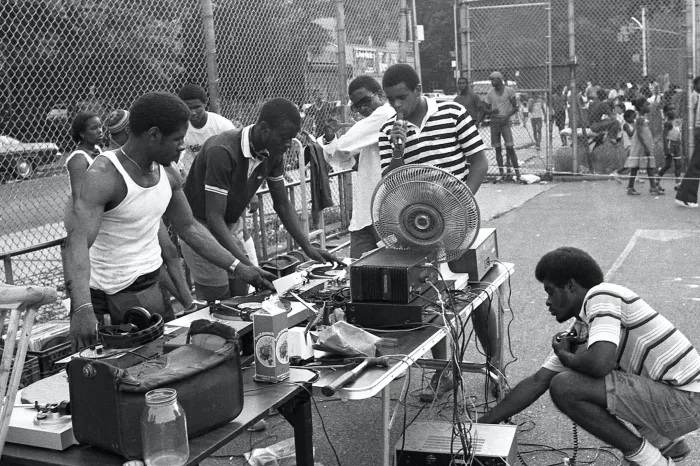
Hip-hop has firmly established itself as a vital cultural movement that extends far beyond music. Emerging from American urban centers, it has grown into a global phenomenon influencing art, fashion, education, and social activism. Today, hip-hop culture is celebrated and integrated into local communities and educational programs, highlighting its role as a powerful tool for self-expression and cultural identity.
The origins of hip-hop date back to the late 20th century, but its influence exploded in the 21st century, evolving into a dominant force in global youth culture. Artists like Dr. Dre, Eminem, and Kendrick Lamar have played key roles in shaping the genre’s sound and message. Hip-hop’s creative energy has also shifted geographically, with Southern cities such as Atlanta and New Orleans becoming major hubs for innovative styles like trap music.
More than just a musical genre, hip-hop encompasses elements such as DJing, graffiti art, breakdancing, and MCing. This multifaceted nature has made it a rich source of cultural education. Schools and community centers increasingly incorporate hip-hop into their curricula to engage young people, using its history and artistic forms to teach literacy, history, and social awareness. Programs inspired by hip-hop culture encourage creativity while addressing issues like racial inequality and social justice.
Hip-hop’s online presence has also transformed how it reaches audiences. Platforms like SoundCloud have allowed emerging artists to share their work without traditional gatekeepers. This digital accessibility has fostered diverse subcultures within hip-hop, such as the “SoundCloud rap” movement known for its unique style and themes reflecting Generation Z’s experiences.
Internationally, hip-hop has adapted to local cultures while maintaining its core values of resistance and expression. In the UK, grime music—a genre rooted in hip-hop traditions—has risen from underground scenes to mainstream success with artists like Stormzy leading the charge. His efforts extend beyond music into philanthropy and education, demonstrating how hip-hop stars use their influence to support community development.
The cultural significance of hip-hop is also visible in collaborations across genres and industries. Figures like Jay-Z have expanded their reach into business and fashion while advocating for social change. This crossover appeal underscores hip-hop’s role as a catalyst for cultural innovation and empowerment.
In conclusion, hip-hop is undeniably a vibrant culture that shapes identities and communities worldwide. Its integration into education and community programs reflects its power to inspire positive change while honoring its roots as a voice for marginalized groups. As it continues to evolve with technology and global exchange, hip-hop remains a dynamic force fostering creativity, connection, and cultural pride.