
















Introduction: Change On Repeat—The World’s Only Constant Is Musical Versatility
Let’s face it, songs about change are like the inevitable January gym membership: everyone gets involved at least once, and some of us stick to it (for a week or two). From power ballads that promise to mend broken hearts while simultaneously breaking the sound barrier, to cheeky acoustic anthems about quitting your job to work in a bakery (looking at you, Stella Donnelly), change never goes out of style—just check the Billboard charts if you don’t believe me. But what makes these tunes about transformation so universally irresistible? Is it the relatable drama, the cathartic sing-along moments, or simply the secret hope we’ll wake up one day and be Taylor Swift in our glittery pajamas?
When Bands Swap Singers: The Ultimate Musical Makeover
If real change is about transformation, rock bands set the gold standard. It’s astonishing how many iconic acts have swapped their lead singers and wound up selling more records than a Black Friday sale at Guitar Center. Take The Moody Blues: they replaced Denny Laine with Justin Hayward, and basically turned their band into a concept album machine—”Nights in White Satin” was born, fans started crying in the aisles, and the rest was Hall of Fame history.
Jefferson Airplane, by swapping out Signe Toly for Grace Slick, not only tied-dyed the band’s sound with “White Rabbit,” but rewrote the entire psychedelic rock playlist at 1960s parties (side effect: soaring sales of velvet capes and weird hats). Meanwhile, Van Halen’s transition from David Lee Roth to Sammy Hagar was so successful, it’s a wonder they didn’t just start a consulting firm for other bands pondering risky frontman swaps. Turns out, if you can change your lead singer and keep your fanbase, you can probably change anything—except, perhaps, the fact that your drummer will eventually start a prog-rock side project involving too many synths.
Iron Maiden, Genesis, and Pink Floyd all proved that the right change at center stage could propel their bands to stratospheric heights (think performing live from the International Space Station-level fame). For Fleetwood Mac, making a triple change—Peter Green out, Christine McVie, Lindsey Buckingham and Stevie Nicks in—triggered such unstoppable creative energy that “Rumours” became the breakup album to end all breakup albums. AC/DC lost Bon Scott but exploded into new territory with Brian Johnson (the secret ingredient: more cowbell and fewer Scottish dirges). Apparently, change isn’t just inevitable—it can be lucrative.
Personal Growth, Bakery Jobs, and Songs Named “Change”
But it’s not just blockbuster bands playing musical chairs that write the best songs about change; sometimes, switching gears happens at a far more relatable scale. Enter Stella Donnelly, who decided that kneading bread gave her just as much creative inspiration as headlining tours. Stepping out of the spotlight, Donnelly’s break from music led her (eventually) to penning her introspective album “Love and Fortune,” complete with a track called “Feel It Change”—which, let’s be honest, is a much more poetic title than “I Got Flour In My Hair Again.” This moment of self-discovery reminds us that change can mean slowing down, doing something different, and realizing that even if you’re not trending on TikTok, there’s still plenty of soul left in the playlist.
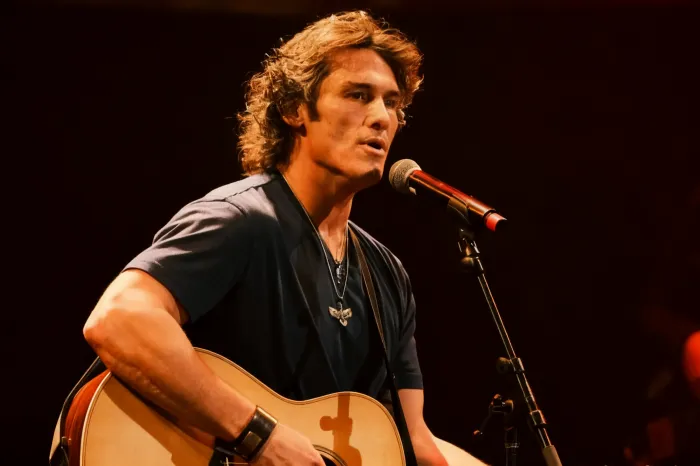
Joe Nichols offers a different spin on change: sticking to his guns when his record label wanted him to swap verses about Jesus for something more “generic.” Nichols took the bold road, fighting for creative (and spiritual) authenticity. Apparently, some changes are non-negotiable—unless you’re talking key changes in a chorus, in which case, go wild. Because when it comes to expressing transformation, it’s equally powerful to say “I won’t change” as it is to declare “I’m changing.”
Billboard Breakthroughs: New Artists, New Songs, Old Tricks
Chart change is no longer a slow-moving glacier. With new rules sweeping away aging singles faster than you can say “algorithmic disruption,” fresh faces are entering the Billboard charts like confetti at a pop star’s baby shower. Last week saw Kehlani finally crack the top 10 with “Folded” thanks to a strategic remix blitz, while Daniel Caesar made his highest-ever debut with “Son of Spergy.” And, in the grand tradition of using big life news to launch even bigger singles, Charlie Puth used his song “Changes” to tease his impending parenthood. It’s a gentle reminder that modern music marketing is simply change repackaged as content: new versions, new remixes, new Instagram announcements—because why not turn every moment into a music video?
Taylor Swift, always the queen of subtle self-reinvention, dropped alternate acoustic versions and timed limited edition releases to keep her latest hit “The Fate of Ophelia” atop the charts. Meanwhile, as rule changes sent “Beautiful Things” and “Lose Control” packing from the top 40, Olivia Dean and Leon Thomas found room to squeeze into the upper echelons. Sabrina Carpenter, never one to avoid shaking things up, incorporated surprise covers into her sold-out Short n’ Sweet Tour—spinning literal bottles to determine whether audiences would get ABBA or Dolly Parton, or one of her own new tracks, making even setlists a celebration of constant musical change.
Legends Who Rolling-Stoned the Change Theme (And Never Stopped Tour-ing)
If you want to study musical transformation in its natural habitat, look no further than Bob Dylan. The Bootleg Series Vol. 16 1/2: Never Ending Memories Pt. 2 is a masterclass in how change never retires—even if the artist would probably like a nap. Dylan’s live performances of “Gonna Change My Way of Thinking” (2009) show off different forms and tempos, some so altered that loyal fans wonder if they’ve accidentally tuned into a jazz fusion podcast. The lesson? An artist who can change their arrangement every night is like a magician who never runs out of rabbits—or, in Dylan’s case, harmonicas.
And of course, there’s the evergreen use of change as protest: sometimes, invoking “The Times They Are a-Changin’” will land you in hot water with publishers. But that only proves how deeply songs about change have permeated pop culture—they don’t just soundtrack our personal eras of transition; they narrate social upheaval, political campaigns, and generational discontent like your uncle with a loud guitar and a well-thumbed copy of Rolling Stone.
Conclusion: Change Is Catchy—That’s Why We Keep Singing It
Ultimately, songs about change endure because listeners are always somewhere on their own winding journey—a new job, a new city, a new relationship, a new haircut, sometimes all in the same week. Whether it’s a surprise setlist addition, a chart-dominating ballad, or a deeply personal indie track written after a daring sabbatical at the bakery, change gives music its narrative tension and purpose.
So, if you’re listening for an anthem that will usher in your next new chapter, don’t worry—the song is probably already out there, and odds are, someone’s ready to remix it. After all, as every pop star, rock legend, and indie troubadour keeps reminding us: change rocks… even when it rolls in on a Monday morning.
And if all else fails, just spin the bottle, and let musical destiny decide. Let’s hope it lands on ABBA—change, but make it catchy.