





















Introduction: The Grape Behind the Glory
Cabernet Sauvignon—just utter the name at a dinner party and watch a tableful of self-proclaimed oenophiles straighten their posture and prepare to wax lyrical about ‘structure’ and ‘tannins’. But while many can recognize the iconic flavor profile or the impossibly smooth aroma of a well-aged Cab, fewer know the fun and frankly fascinating story of the grape that started it all. Cue the music, pour the wine, and let’s get cheeky as we answer the age-old, surprisingly nuanced question: What grapes are used to make Cabernet Sauvignon?
Birth of a Superstar: When Nature Took Up Matchmaking
Back in the hazy mists of 17th-century Bordeaux, Mother Nature decided to play Cupid. Instead of swiping right, she flung a gusty wind—or maybe employed some scandalous insect pollinator—to cross Cabernet Franc (an elegant red grape) with Sauvignon Blanc (a zesty white grape). The result? The one and only Cabernet Sauvignon. Yes, this wine world darling is literally the genetically blessed child of two distinct grape species. Forget Hollywood power couples; this was grape royalty meeting grape nobility and producing an icon. DNA studies at UC Davis in the 90s put an end to centuries of wild speculation and proved that Cabernet Sauvignon was not some ancient Roman relic but a relatively recent natural hybrid—with pyrazines inherited for that signature bell pepper aroma.
The Anatomy of a Cab: One Grape to Rule Them All
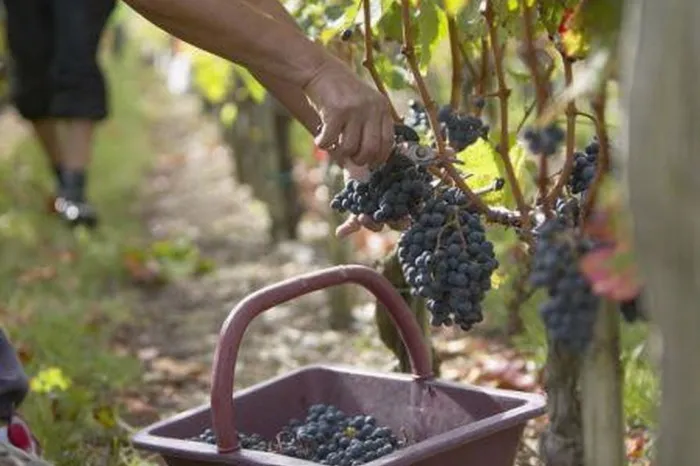
So, to answer the test question: what grapes are used to make Cabernet Sauvignon? Well, singularly, it’s the Cabernet Sauvignon grape. This grape is now so universally beloved, it has its own global emoji—albeit shaped like a mysterious orb of tannic promise and possibly spilled on your kitchen counter. But what makes it so popular? For starters, Cabernet Sauvignon berries are small, thick-skinned, and highly resistant to disease—meaning they survive everything from rain to winemaker existential crises. Their sturdy skins and hearty constitution allow them to travel the world and ripen in regions ranging from Bordeaux’s gravelly hillsides to Australia’s terra rossa soils and the sun-drenched valleys of California. It’s the late-ripening, tough-as-nails grape that transformed global wine forever.
Clones, Mutants, and Cousins: The Grape Family Fun
Fans of Marvel movies, brace yourselves. Cabernet Sauvignon’s super powers don’t end with its birth. Over the centuries, this grape has spawned a cast of supporting varieties through accidental mutation and formulaic crossing—the Marselan grape (Cabernet Sauvignon x Grenache), and even a couple of oddballs like Cygne blanc (a white-berried version found in Australia) and Shalistin (the “White Cabernet”). Some clones even go bronze! If you need proof, just ask the Australians who have made a pale red wine from Cabernet’s white mutant offspring. So while Cabernet Sauvignon itself is the hero of the bottle, its family tree contains some fascinating plot twists.
Blending In: Cabernet Sauvignon’s Social Life
While the Cab grape is often bottled solo—especially in Napa Valley and at swanky Californian wineries, where price points go so sky-high they need their own oxygen masks—its most classic role is actually as the backbone of the Bordeaux blend. In Bordeaux’s Left Bank, Cab can command up to 70% of the blend, where it leans on Merlot for heft, Cabernet Franc for aromatics, and Petit Verdot or Malbec for a touch of intrigue. The wine world’s most famous blends—including Super Tuscans in Italy (Cab meets Sangiovese in a caffeinated Italian handshake) and Shiraz-Cabernet works in Australia—demonstrate the grape’s adaptability.
So, if you’re asking what grapes make Cabernet Sauvignon as a wine: it’s the Cabernet Sauvignon grape, but don’t be surprised if you taste notes of Merlot, Cabernet Franc, Petit Verdot, Shiraz, or even Carmenere, depending on the region’s love for grape parties.
Flavors, Aromas, and the Bell Pepper Dilemma
Cabernet Sauvignon didn’t become the king of grapes by being bland. Its thick-skinned berries produce wines of deep color, robust tannins, and enough aging potential to make you consider taking out a life insurance policy on your wine cellar. Expect blackcurrant, blackberry, black cherry, plum, mint, pencil shavings, and yes, the notorious green bell pepper, courtesy of those persistent pyrazines. Modern vineyard management has helped tame the green streak, so today’s Cabs swing from earthy, peppery youth to plush, chocolate-infused maturity, especially with a little help from oak barrels.
Where in the World does Cabernet Sauvignon Grow?
If Cabernet Sauvignon were a musician, it’d be dropping albums worldwide. Bordeaux remains its spiritual home, but Cab is equally revered in California’s Napa Valley, Chile’s Central Valley, Australia’s Margaret River, and the sun-baked hills of South Africa and Argentina. France still owns the largest acreage, but China’s catching up fast—there are more Cabernet Sauvignon vineyards in China than there are pandas (probably).
Winemaking: From Vine to Glass
Grapes, glorious grapes. In vineyard and winery, the Cab grape is given star treatment. Winemakers macerate the skins with juice to extract maximum tannin muscle and pigment, then ferment at controlled temperatures. After that, the wine may go on a spa retreat in French or American oak barrels, picking up hints of vanilla, toast, and spice. Oak chips or barrels? The eternal debate rages on, but Cab loves oak like you love WiFi and closet space.
Food Pairing: Cab’s Culinary Matchmaking
A wine this bold needs meal-worthy friends: steaks, lamb chops, mushrooms, aged cheddar, and—if you’re feeling controversial—dark chocolate. The robust tannins cut through fats; the acidity keeps the palate lively. Just don’t pair it with a PB&J sandwich unless you’re feeling rebellious (or have a very sophisticated squirrel for company).
Conclusion: Cabernet Sauvignon—One Grape, Infinite Possibilities
So, what grapes are used to make Cabernet Sauvignon? Strictly speaking, just one: the mighty, genetically blessed Cabernet Sauvignon grape. Its parents, Cabernet Franc and Sauvignon Blanc, have long since provided the DNA, and the grape itself reigns supreme as the solo star in varietal wines and the backbone of legendary blends. Whether you’re sipping a French classic, an Aussie upstart, or a Californian trophy bottle, know that you’re enjoying a grape with a global passport, a rich history, and a sense of humor as deep as its color. Cheers to the grape that does it all, and does it in style!