





















Rioja’s Recipe for Greatness: It All Starts With a grape (Or Several)
If you’ve ever sipped a glass of Rioja and wondered, “What mystical fruit lies at its heart?”, then congratulations— you’re officially a wine geek. Welcome to the club! No membership card required, but bonus points if you can pronounce “Tempranillo” three times after your third glass. Rioja wines are like the grand tapestry of Spanish culture, woven with threads of grape varieties that have survived centuries of phylloxera outbreaks, monkish mischief, bureaucratic rulebooks, and, of course, enthusiastic toasts. So, let’s uncork this story and explore what grapes make Rioja, why they matter, and how they turn mere juice into Spanish liquid gold.
Meet the Red Royal Family: Tempranillo and Friends Run the Rioja Show
The king of Rioja grapes is—drumroll, please—Tempranillo. If grapes had royal courts, Tempranillo would be strutting around in a velvet robe, wearing a crown, and occasionally launching humorous PR campaigns. It’s responsible for the backbone of most Rioja reds—providing refinement, an aromatic punch, and a versatility that would embarrass acrobats. Tempranillo can be suave and delicate or powerfully structured, aging beautifully like that vintage leather armchair your uncle refuses to discard. In fact, nearly 88% of Rioja’s vineyards are planted to Tempranillo, which basically makes it the grape equivalent of a Spanish pop star.
But Tempranillo isn’t a solo act. It’s joined by:
- Garnacha (aka Grenache): The rebel of the east, Garnacha brings freshness, punchy fruit flavors, and enough versatility to star in rosés, light reds, and party blends. Early budding, late ripening—this grape is fashionably late to the fiesta and usually arrives with a bottle in hand. It’s the backbone of hot-climate Rioja Oriental, crafting wines that warm your soul and occasionally threaten your sobriety.
- Graciano: The artsy, misunderstood underdog. Graciano grapes ramp up the color, tannins, and acidity, resulting in wines with the longevity and aromatic intensity that would impress even the strictest of grandmothers. Graciano adds depth to blends and gives serious wine nerds something to debate.
- Mazuelo (Cariñena): This minority grape is like the bass player in a rock band—rarely in the spotlight, but absolutely essential. Mazuelo provides structure, intense red fruit aromas, and acidity, helping Rioja reds last longer in your cellar than your New Year’s resolutions.
- Maturana Tinta: The ancient newcomer—cultivated since forever, officially recognized in 2007. Compact bunches, thick skins, and enough tannic muscle to bench-press a wine cask. Its short growing cycle and high sugar can make for robust, deeply colored wines with an edge.
The Whites Are Here—Yes, Rioja Does White Wine With Style!
Red grapes may steal the Rioja spotlight, but the region packs as much personality into its white varieties as it does into its reds. The main white grape is Viura (known elsewhere as Macabeo). It’s responsible for roughly 70% of the white plantings, resulting in fresh wines with green apple crunch, almond finesse, and floral perfumes. If Viura were a band member, it would play lead guitar at a vineyard-side summer gig.
Malvasía offers richness and body, with an undercurrent of tropical and floral notes, and a texture that makes it age well in oak. Garnacha Blanca is the mutant cousin of Garnacha Tinta—producing high-alcohol, extract-rich whites, perfect for blends and single varietals.
Then there’s the Tempranillo Blanco—a grape so rare, it’s basically the unicorn of Rioja. Discovered as a natural mutation in a single vine, it now adds zesty, floral brightness to the region’s white repertoire. Maturana Blanca, popping up in ancient texts since 1622, provides a balance of acidity and bitterness, with aromas of banana, apple, and citrus.
Other authorized white grapes include international celebrities like Chardonnay, Sauvignon Blanc, and Verdejo (but the rules insist these can’t be the headliners—native grapes get top billing). Turruntés, another oddball, covers less than 10 hectares, but holds its ground as a quirky, straw-yellow surprise with high acidity.
Rioja’s Grapescape: Where Do All These Grapes Grow?
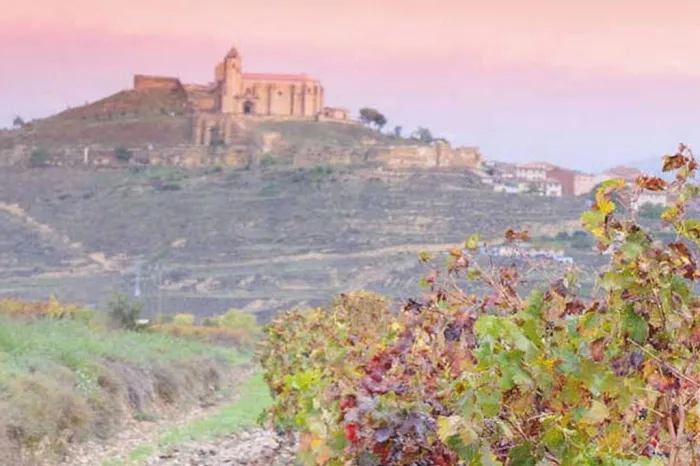
Rioja is split into three zones: Rioja Alta (northern, cool-climate, mineral-driven elegance), Rioja Alavesa (Basque-grown, high-altitude, fuller-bodied reds), and Rioja Oriental (the Mediterranean, sun-drenched zone where Garnacha throws epic parties and everything tastes slightly like eternal summer). The magic often comes from blending grapes grown across these zones, allowing producers to create wines that balance fruitiness, elegance, body, and age-worthiness.
Within these zones, winemakers now increasingly pursue single-zone and even single-vineyard bottlings, chasing terroir-driven distinction—not unlike a wine snob chasing the scent of aged oak through a crowded tasting room.
Blending: The Artful Alchemy Behind Rioja’s Famous Taste
Rioja reds are almost always blends—a harmonious gathering of local personalities. Legally, red Rioja must use at least 95% of Tempranillo, Garnacha, Graciano, Mazuelo, and Maturana Tinta for shelled grapes (or 85% for whole grapes). White Rioja, meanwhile, draws almost exclusively from Viura, Garnacha Blanca, Malvasía, Maturana Blanca, Tempranillo Blanco, and Turruntés. Foreigners Chardonnay, Sauvignon Blanc, and Verdejo may cameo, but they’re always supporting rather than starring.
Blending serves a practical purpose. It allows Rioja to fine-tune color, acidity, aroma, and tannins—meaning your wine won’t taste like sad grape juice but rather like a festival in your mouth. Even rosé (“rosado”) must contain at least 25% of these classic red varieties, maintaining Rioja’s high standards even when things get pink and bubbly.
Rioja Law and Order: Regulating Grapes Like a Well-Oiled Vineyard Police Force
The Rioja Consejo Regulador is, if you will, the referee in Spain’s great grape game. Since its start in 1926, the Council has laid down ever-stricter production rules. These range from authorized grape lists and regional regulations, to harvest yields and minimum aging periods in oak and bottle. The aim? To ensure every bottle of Rioja meets quality standards that would impress, yes, even your mother-in-law.
Recent updates allow for regional and village-specific labels, further ramping up the complexity (and collectability) of Rioja. So nowadays, buying Rioja isn’t just about grabbing a Crianza/Reserva/Gran Reserva—it’s about exploring microclimates, vineyard sites, and occasionally feeling proud because you remembered the difference between Rioja Alta and Rioja Oriental.
In Conclusion: Next Time You Toast, Thank a Grape. Or Several.
So, what grapes make Rioja? Tempranillo, Garnacha, Graciano, Mazuelo, Maturana Tinta for reds; Viura, Malvasía, Garnacha Blanca, Tempranillo Blanco, Maturana Blanca, Turruntés and a sprinkling of international whites for the rest. Each grape brings its own quirks, strengths, and sometimes a sense of humor—all of which makes every bottle of Rioja a new adventure, bursting with its legendary Spanish spirit.
Next time you pour yourself a glass, swirl, sniff, and sip with knowledge—and maybe a dash of wine-fueled wit. Because in Rioja, grape variety isn’t just a fact—it’s the life of the party, bottled for your drinking pleasure!