




















The Miraculous Alchemy: What is Wine, Really?
Wine, for most people, is a sophisticated beverage that’s perfect for awkward family reunions, romantic dinners, or pretending you have refined taste while binge-watching Netflix. But before you can swirl, sniff, and sip with gusto, you need to understand the process behind this magical elixir. How do humble grapes become the golden (or garnet) juice of celebration and introspection? Put aside your visions of toga-clad Romans and barefoot grape stompers — making wine today is both art and science, with a dash of accidental comedy.
The Vineyard’s Drama: Picking Grapes and the Prelude to Wine
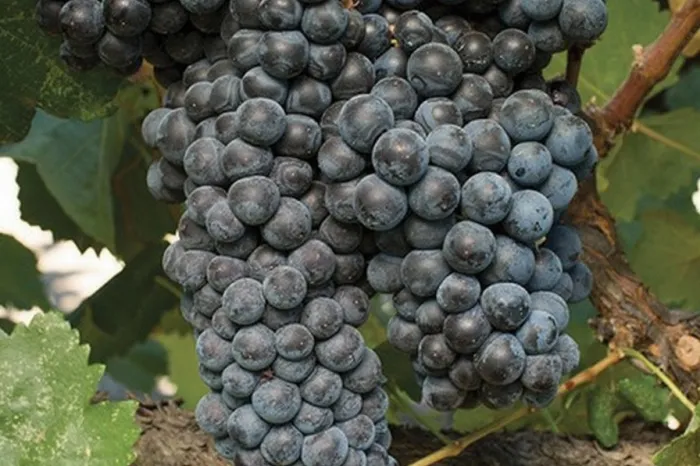
Every drop of good wine starts in the vineyard. Winemakers anxiously patrol their rows, popping grapes in their mouths, feeling stress levels rival an Oscar nominee: pick too soon, wine is tart and thin; pick too late, and you’re headed for a flabby disaster. Quality hinges on the grape—variety, terroir, and a weather forecast accurate enough to rival modern meteorology. Your grapes should be firm, sweet, and preferably not a home for passing bees or bored spiders.
Crushing It (Literally): From Fruit to Must
After harvest comes the therapeutic act of crushing. For red wine, you keep the skins in for color; for white, you take them out. How to crush? Modern home winemakers use machines, but you can opt for the classic method of hand (or foot!) squishing. Just remember: wash well, unless you want your wine to taste like vintage gym sock. Avoid brutalizing the pips — bitter wine is rarely a crowd-pleaser.
Now you have a pulpy, juicy mass called “must.” This is where chemistry and tradition intersect. Testing for sugar and acidity, using handy gadgets like hydrometers (and possibly channeling your inner high school lab student), you gauge whether your future wine will sing or sulk. At this stage, adjustments for sugar and acid are allowed, especially if your grapes grew up with self-esteem issues.
Sanitation: Don’t Invite the Wrong Microbes
Before fermentation, sanitize absolutely everything — buckets, tubes, paddles, and hopes. Completely ignore the advice to “just let nature take its course.” Nature is sneaky, and rotten bacteria can transform your wine into something you wouldn’t use on salad. Sanitation is your first defense against unpalatable vinegar and heartbreak.
Sulfites: Not a Pokémon, But Essential
Sulfites are added (usually via Campden tablets) to suppress wild yeast and bacteria. This bit of chemistry allows you to choose a specific yeast strain and avoid unexpected results. If you’re allergic, you can skip this step, but be prepared: your wine may develop more character than you bargained for.
Fermentation: The Yeast Feast
Now comes the party! You pitch your yeast (the life of the wine party) into the must. For red wines, leave the skins in; for white, just juice. Fermentation can last from several days to a couple weeks. Imagine a bubbling cauldron, as your yeast converts sugar into alcohol and CO2, releasing aromas that may or may not smell like “rhinoceros on vacation” for a few days. Resist peeking and poking — let the yeast do their thing!
During red wine fermentation, skins float to the top, forming a “cap.” Punch this down daily, with clean hands or, according to some, a sanitized two-by-four. The process extracts color, tannins, and bragging rights. For rosé, leave skins in for a short stay — enough to get that trendy blush without full commitment.
Pressing and Separating: The Juice Gets Better
After fermentation, for red wine, it’s time to press out remaining juice from the skins. White wine fans get to this stage earlier. Discard the pressed grape solids unless making wine vinegar sounds appealing. (Pro tip: This happens, and yes, you can always recycle failed wine into fancy vinegar!)
Racking and Aging: A Winemaker’s Patience Test
Once clear juice emerges, it’s time for racking — siphoning wine off sediment (lees) into fresh containers. This gets repeated several times over months, improving clarity and taste. If you’re impatient, you can taste along the way, but true flavor comes to those who wait. Aging can happen in your homemade setup (demijohns, barrels, or repurposed water bottles) — just ensure everything stays sanitized. White wines age for less time; reds prefer longer spa treatments (sometimes years!) for the deepest flavors.
Fining agents (like Sparkolloid, bentonite clay, or even egg whites) help clarify wine further. Vegan? Bentonite has got your back. These substances bind unwanted particles and help settle haze — think of it as wine’s spa facial before its big debut.
Bottling: The Final Countdown
The final step is bottling: siphon wine gently (no splashing!) into sterilized bottles. If sweetening is desired, add simple sugar syrup and potassium sorbate (a yeast killer) so your precious bottles don’t explode from re-fermentation. Corking requires a special tool (or supernatural strength), and bottles should be stored on their sides to keep corks moist and wine fresh.
Label with pride. Some bottles can be consumed within months; others need additional aging. If all goes wrong and the taste isn’t what you expected? Let it rest for a year — time is wine’s best friend. Or, you can make stylish homemade vinegar. Either way, your party guests will never know the difference.
Equipment and Ingredient Roundup: Assembling Your Arsenal
You don’t need to build a lab; a starter kit, some buckets, airlocks, tubing, and a demijohn will suffice. Most ingredients (yeast, sugar, sanitizer, Campden tablets) are cheap, and equipment is reusable — unless you break it stomping grapes in a fit of enthusiasm.
For those short on grapes, store-bought pure grape juice (not “grape drink,” please), or grape concentrate works fine for topping off. Want to improvise? You can make wine from just about anything — apples, blackberries, plums, and more.
Red Vs. White Vs. Rosé: The Color Conundrum
- Red Wine: Skins stay in during fermentation for color and tannin.
- White Wine: Skins are out, juice is all you need.
- Rosé: Skins get a brief soak, just enough for a blush.
Temperature matters: cool fermentations (below 70ºF) preserve delicate aromas for whites; reds enjoy more warmth.
The (Imprecise) Timeline: When Can I Drink My Creation?
At bottling, taste your creation. If it’s already charming, 6 months is fair game for consumption. If it tastes like fermented dinosaur tears, leave it alone longer. Aging transforms raw flavors into the complex bouquet that makes sommeliers swoon and relatives compliment your “excellent vintage.”
Troubleshooting: When Things Don’t Go As Planned
If your wine turns out less than stellar — too dry, too tart, museum-worthy haze — all is not lost. Time, blending, or just rebranding as “specialty vinegar” can save the day. If the airlock gurgles stop, bottles explode, or you spot aliens near your fermenter, just remember: even professional winemakers have stories of batches gone wrong.
Final Notes: Why You Should Make Wine (Or Why You Shouldn’t)
Making wine at home is equal parts education, entertainment, and exercise. It is not risk-free (see: spontaneous vinegar; sticky floors; unsolicited advice from neighbors), but it gets you closer to understanding wine than any online tasting course. In the end, after sanitizing relentlessly and monitoring bubbling fits, you’ll have something uniquely yours. Share it with pride, or hide it in the cupboard for future vinegar emergencies.
So next time someone asks how do you make wine, greet them with a flourish: “With grapes, grit, a little science, and a lot of patience. And yes, sometimes with my feet.” Just don’t forget to raise a glass to the journey.