





















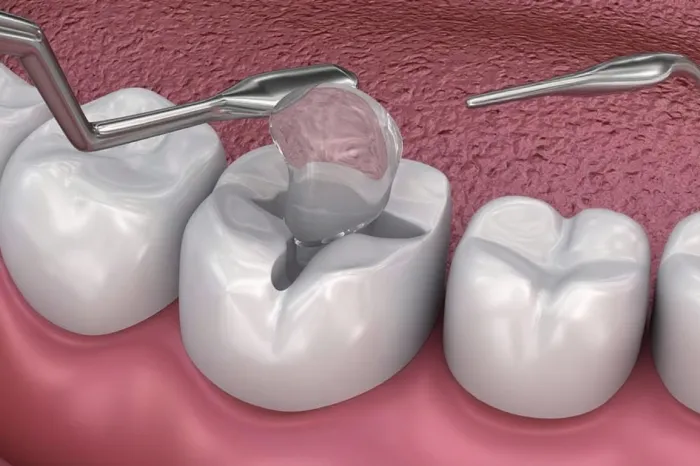
In the look for the fine enamel filling, trendy affected person faces a marvelous array of choices—every one extra futuristic or mysterious than the last, and all designed to repair your smile to its former glory (or, on the very least, to prevent from grimacing at that subsequent own circle of relatives photo). But is the fine solution a centuries-vintage amalgam, a present day composite, or perhaps, simply perhaps, a technique so modern that your tooth will almost repair themselves? Welcome to the battleground of the excellent enamel filling debate, in which vintage college meets sci-fi, and in which, in case your molar may want to speak, it might likely say, “Just choose some thing that doesn’t contain a medieval drill, please!”
The Drill-and-Fill Classic: Old School, however Reliable
Since the 1800s, the time-honored “drill-and-fill” has been the mainstay of dental places of work worldwide. Cavities get excavated, and the open area is stuffed—perhaps with amalgam (that infamous silvery-gray blend of metals), gold, enamel-coloured composite resins, or glass ionomer cements. These fillings are quick, powerful enough, and feature stored hundreds of thousands of smiles from disrepair. But they’re now no longer with out their quirks. For starters, they don’t continually last up to herbal tooth—they put on down, may also leak on the edges, and every now and then come to be a welcome mat for brand new bacteria. Removing decay with a drill also can do away with wholesome enamel—a chunk like solving a pothole through tearing up 1/2 of the freeway. Let’s simply say, no one wakes up excited for a date with the dental drill.
Amalgam, Composites, and The Fillers Hall of Fame
Let’s line up the classics:
- Amalgam: The dependable, albeit unaesthetic, metallic blend. It’s cheap, long lasting, and could likely continue to exist the apocalypse, however it’s now no longer triumphing any splendor contests.
- Gold: For folks who need their mouths to double as financial institution vaults. Strong and long-lasting—in case you don’t thoughts being reminded of pirate treasure.
- Composite Resins: These enamel-coloured wonders mixture in so perfectly you would possibly neglect about you even had a filling. Slightly much less long lasting than the metals, however lots prettier and desired for seen tooth.
- Glass Ionomer: Think of this as a practical, fluoride-liberating plug—excellent for small fillings and children, however probably to wave the white flag in opposition to heavy chewing forces.
Each preference has its strengths, however all of them depend on a few stage of drilling and, let’s face it, a jump of religion that your filling will live longer than your love for caramel.
A New Hope: Remineralization
The frontiers of dental research, however, promise some thing as near magic as dentistry gets: stimulating your very own tooth to rebuild misplaced minerals. Instead of patching holes, remineralization leverages the body’s herbal capacity to feature calcium and phosphate returned into the tooth and dentin. This isn’t always Hogwarts; that is bona fide science.
Currently, remineralization is a fact for shallow lesions: dentists use merchandise filled with calcium phosphate or fluoride that help “recharge” the outer enamel, now and again delaying or bypassing the want for a filling. The trick is catching decay early—earlier than it tunnels into the deeper layers like a specially cussed gopher.
But researchers are already dreaming bigger. Teams at locations like UCSF are aiming to ship remineralization resources deep into the enamel, including structural minerals again to dentin—the living, internal bone-like material. Will the “drill-and-fill” quickly turn out to be the “soak-and-heal”? Don’t toss out the ones fillings yet; maximum strategies require a wholesome collagen shape withinside the enamel to work, and remineralizing deep cavities rapid enough, and sturdy enough, continues to be a systematic tightrope walk. But the destiny appears much less drill-satisfied and extra pro-natural.
Regrowth Revolution: Stem Cells and The Science of Tooth Self-Repair
Imagine going to the dentist for a cavity, and as opposed to listening to the whine of the drill, you’re told, “We’ll simply sprinkle a few magic molecules, and your enamel will develop again.” Sound like a fairytale? Not anymore! Scientists are growing methods to harness the regenerative powers inside your enamel.
At King’s College London, for instance, dental researchers have brought about mouse and rat enamel to regrow their very own dentin the usage of pills that awaken stem cells withinside the enamel. The mystery weapon is the Wnt signaling pathway (yes, it seems like a Wi-Fi community however is definitely how cells communicate restore). By turning in pills thru tiny collagen sponges immediately into the cavity, researchers noticed the enamel rebuild stable shape—no hardware reboot necessary.
Clinical utility for human beings is, of course, some years off. But the desire is that quickly, dentists may also provide a gel or substance that stimulates your enamel’s restore system—think “regrow, now no longer simply patch.” Your destiny dentist is probably extra comparable to a gardener than a creation worker, nudging matters to heal as opposed to hacking and filling.
Why Aren’t We All Sporting Bionic Smiles Yet?
With a majority of these breakthroughs, you would possibly ask why you’re nonetheless caught with that silver filling from 2008. As with maximum clinical advances, the direction from the lab in your mouth takes time. Regulatory approvals, coverage catch-up, and the want for long-time period records suggest the excellent, brightest, and shiniest solutions aren’t immediately available. In the U.S., for example, count on a decade or extra earlier than a few enamel-regrowing answers are not unusualplace for your neighborhood clinic (and possibly some extra years earlier than your coverage consents to pay for the privilege).
On the upside, composite resins and glass ionomers are continuously being upgraded, presenting stepped forward lifespans, higher strength, and even “bioactive” properties—like slow-launch fluoride to boost the enamel over time. The excellent filling these days won’t be the excellent filling tomorrow, so maintain your alternatives open (and your floss on the ready).
So, What Is the Best Filling for Teeth—Right Now?
If your dentist says you want a filling today, the “first-rate” choice relies upon on in which the teeth is, how massive the damage, and (let’s be honest) how flush you’re with cash. For returned enamel in which no person sees, robust amalgam or gold wins for brute sturdiness and cost-effectiveness. For the front enamel, composites and ceramics take the crown for seems and affordable longevity. Glass ionomers and fluoride-packed substances serve nicely for little upkeep and kids.
However, the actual champions might also additionally quickly be people who leverage your body’s very own skills: remineralizing pastes, gels, or destiny stem-mobileular remedies that goal to definitely heal as opposed to patch. Until then, pick out a reputable, tried-and-real material, brush thoroughly, and maintain an eye fixed on the ones dental information headlines for the following massive thing. And simply remember, your filling is simplest as right as your brushing, so don’t slack—even in case your molars begin hinting they’d choose a spa day to a root canal.
The Takeaway: Smile! Science Is Working For You
Dental fillings have come a protracted manner from crude answers of a century ago, with new technology poised to revolutionize our method to cavities and teeth restoration. While the perfect, everlasting, self-recuperation filling isn’t right here simply yet, the fashion is clear: much less drilling, greater recuperation, and a destiny in which your dentist would possibly want to extrade process titles to “teeth whisperer.” The first-rate filling? It’s the only that continues you smiling, healthy, and (mostly) out of the dental chair.