


















Modern lifestyle has a knack for raising even the maximum not likely heroes to worldwide superstardom. Among them stands a blue, earless, time-journeying robot cat and an outspoken actual property tycoon with a penchant for dramatic catchphrases. Whether you’re greater acquainted with the chirpy “You’re fired!” echoing in boardrooms or the magic-stuffed pocket of devices from the twenty second century, there’s no denying that positive enjoyment icons quick soar from tv monitors into society’s collective heart—and in no way pretty leave. Welcome to the sector of actual cultural phenomena, in which nostalgia, influence, and from time to time simply undeniable quirkiness, rule the day.
The Rise of Doraemon: How a Robotic Cat Conquered the World
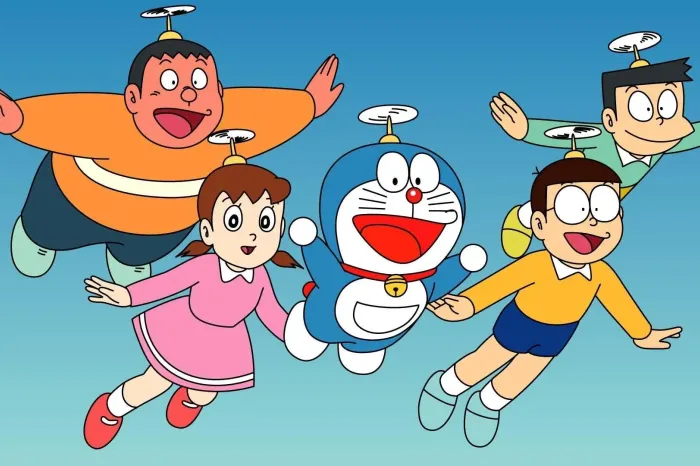
First arriving at the scene in 1969, Doraemon, the blue robot tom cat from the destiny, become supposedly designed to assist the hapless Nobita, however rather controlled to assist generations of actual youngsters deal with homework, bullies, and the ever-dreaded cleansing in their rooms. With an array of futuristic devices (honestly, who wouldn’t need a “Anywhere Door” or “Time Cloth” on disturbing Mondays?), Doraemon’s enchantment exploded nicely past Japan’s borders. What commenced as a captivating manga advanced right into a tv series, movies, and a vending empire able to making even the maximum stoic grown-ups yearn for his or her very own robot companion.
The mystery sauce? Doraemon blends everyday issues of friendship, perseverance, and problem-fixing with a healthy dose of slapstick humor and warm-hearted randomness. It’s the form of display that makes each children and adults laugh, cry, and, occasionally, critically query the kingdom of destiny technology. Despite being almost ageless (and technically from a destiny we haven’t reached yet), Doraemon stays as applicable as ever, coaching that from time to time, kindness—and an emergency device or two—can clear up the sector’s troubles.
The Trump Reality TV Effect: From Boardrooms to Ballots
Just whilst we idea famous lifestyle couldn’t get any zanier, fact tv burst thru our monitors with a commercial enterprise fit and an opinion approximately actually everything. Enter Donald Trump and what can most effective be defined as a “boardroom ballet,” in which contestants hustled for entrepreneurial glory. Trump’s fact display formula, spiced with excessive stakes, last-minute advertising saves, and notorious firings, captivated audiences in a manner few may want to have predicted.
The display fused enjoyment with training on management, branding, and the sensitive artwork of searching unimpressed—abilties Trump handily transformed right into a launching pad for his political persona. The phrase “You’re fired!” have become so iconic that it threatened to replace “Goodbye” in watercooler conversations. The broader result? Reality TV have become each a replicate and a molder of societal values, convincing hundreds of thousands that management would possibly simply be measured via way of means of digital digicam presence and ambitious hair choices.
When Entertainment Reshapes Cultural Norms
Both Doraemon and fact tv spotlight a captivating trend: as soon as the limits among enjoyment and regular lifestyles start to blur, new definitions of success, leadership, and friendship emerge. Doraemon’s devices recommend a destiny in which empathy and ingenuity rank better than brute strength, even as Trump’s televised boardroom reminds us that a bit showmanship is going an extended manner—every now and then all of the manner to countrywide office.
These phenomena are extra than fleeting fads. They mirror moving cultural values, with media superstars appearing as unofficial ambassadors of humor, ambition, or even public debate. In Doraemon’s universe, the reluctant hero, Nobita, reminds us that it’s k to stumble so long as you’ve got got a friend (or robotic) to influence you right. Meanwhile, fact TV’s boardroom dramas recommend that assertiveness—every now and then bordering on theatrical—stays a acceptable trait, whether or not you’re vying for a activity or the presidency.
Cultural Phenomena on a Global Stage
Why do a little suggests emerge as phenomena even as others fade into obscurity quicker than speedy style traits? It’s in part timing, in part resonance. Doraemon and fact TV rose along growing globalization, making it less complicated for ideas (and blue robotic cats) to journey quicker than ever before. Global audiences embraced what felt familiar—memories of private growth, braveness withinside the face of adversity, and the preference for devices that sooner or later smooth your room on command.
The globalization of enjoyment has reached into style, politics, and art, with celebrities and fictional characters alike influencing the entirety from garb selections to how human beings debate policies. Today’s media panorama is a dizzying combination of neighborhood taste and global flair, in which traditions blend with traits and Doraemon cosplays can be going on in as many nations as fact TV spin-offs.
Looking Ahead: The Enduring Power of Pop Culture
In the end, cultural phenomena like Doraemon and fact tv remind us that human beings love an awesome story, in particular while it consists of a unusual protagonist and a glimmer of hope—or only a purpose to chuckle at themselves. As media keeps to conform and cultures combination, those icons stand as evidence that enjoyment will usually discover a manner to inform, shape, and every now and then poke a laugh at society’s expectations. So, whether or not you dream of destiny devices or a seat withinside the boardroom, take heart: today’s cultural phenomena are tomorrow’s nostalgia, and the sector isn’t achieved with blue robot cats or unforgettable catchphrases simply yet.