














The persevering with drama of cancel lifestyle has come roaring again into the spotlight, with debates over forgiveness, loose speech, and social results shaking up entertainment, sports, and political circles in America. Recent episodes regarding fundamental personalities—from lively bar bans to headline-grabbing TV walkouts—have sparked considerable dialogue on whether or not cancel lifestyle is supporting society development or absolutely making every person anxious on every occasion they choose up a microphone.
High-Profile Incidents Heighten Debate
Controversy regularly reveals its maximum public degree in entertainment, and latest occasions show the point. Former baseball pitcher John Rocker became stopped from ordering extra liquids at a Columbus, Ohio motel bar and claimed the incident became pushed through what he referred to as the “woke mob.” Rocker, regarded for his outspoken political views, advised on social media that group of workers diagnosed him and reduce him off as a shape of social punishment. Whether it became his reputation or his critiques that brought about the early ultimate name stays unclear, because the motel organization presented no remark.
In the arena of television, Piers Morgan’s abrupt go out from the British morning display Good Morning Britain after expressing doubt approximately Meghan Markle’s statements delivered cancel lifestyle’s effect into sharp relief. Morgan confronted a document wide variety of proceedings and a firestorm of headlines earlier than dropping his job. The response did now no longer quit there; his buddy Sharon Osbourne became additionally fired from her American speak display after protecting him on air, which brought about threatening messages and heightened non-public scrutiny. Both instances exemplify how a unmarried remark can redefine careers and reputations withinside the age of on-line outrage.
Comedy Under Siege: Can Laughter Survive?
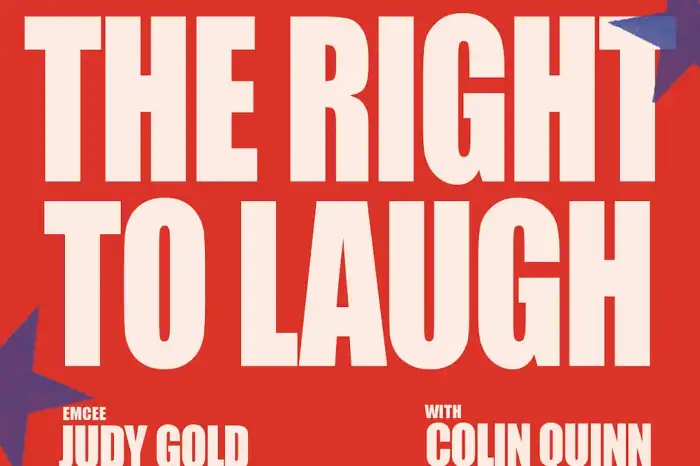
Comedy clubs, lengthy taken into consideration secure havens for debatable thoughts and biting satire, now discover themselves on the middle of the cancel lifestyle storm. As America marks its 250th birthday, a New York City occasion brings collectively comedians who insist that telling uncomfortable jokes is part of loose expression. Hosted through veteran comedian Judy Gold and presenting stars like Colin Quinn, the occasion goals to have fun now no longer simply America’s ideals, however additionally the belief that disagreement—even the sort that increases eyebrows—have to be welcome.
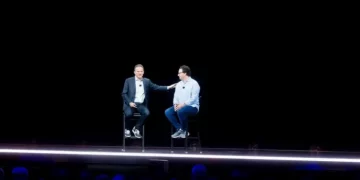
Club proprietor Noam Dworman leads candid roundtable talks approximately the destiny of comedy in a “censorious era.” Many performers experience comedy is one of the ultimate areas wherein loose speech can thrive, however there are concerns that even jokes will be subsequent at the reducing block. The panelists ask: If comedians can’t undertaking taboos and poke amusing at society’s contradictions, is it nevertheless comedy at all?
The Politics of Forgiveness and Public Opinion
If cancel way of life is usually approximately accountability, current reversals display forgiveness is creating a comeback. In one New York City controversy, political allies who as soon as supported canceling a mayoral aide over inflammatory tweets are actually urging the general public to forgive her. The episode highlights how quick public sentiment can shift—and the complexity of retaining human beings accountable in a global wherein on line posts stay forever.
Some critics say cancel way of life has emerge as a sport of one-upmanship, with human beings racing to take offense and call for public reckonings. Others argue that the capacity to discuss, apologize, and circulate ahead is important for a healthful public sphere. The debate frequently hinges on whether or not a person’s misstep merits lifelong outcomes or if studying and increase ought to be celebrated.
Language, Labels, and Cultural Sensitivities
Cancel way of life’s effect is going past personalities—it’s also converting how we talk. Piers Morgan, in his current book, criticizes efforts to retire terms taken into consideration insensitive and recounts examples wherein ordinary phrases like “black sheep” and “field” have drawn scrutiny. Advocates argue that converting language allows construct a extra thoughtful society. Detractors, meanwhile, worry that narrowing the variety of desirable speech stifles humor and sincere debate.
The Search for Common Ground
With each social media typhoon and information cycle, entertainers and public figures face the risk—and on occasion opportunity—of turning into cancel way of life’s subsequent headline. As the strains among critique, comedy, and condemnation blur, America’s celebrities and audiences are left grappling with key questions: What errors require outcomes? When is forgiveness warranted? And can loose speech live on in a global of trending outrage?
The solution appears to rely upon who’s retaining the microphone—and on whether or not the group is prepared to chuckle or prepared to name for cancellation.