











Cancel way of life has emerged as a defining flashpoint in state-of-the-art cultural landscape, igniting impassioned debates over unfastened expression, social accountability, and the limits of public discourse. The today’s bankruptcy opened up on Australia’s literary stage, in which the invitation of outspoken activists and authors spark off a cascade of controversy and compelled reconsideration of platforming decisions.
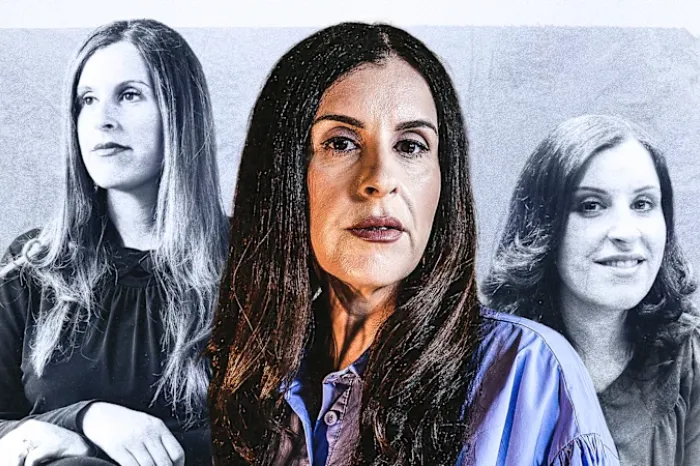
Pro-Palestinian author Randa Abdel-Fattah, who these days confronted a cancelled look at Adelaide Writers’ Week, is now poised to participate withinside the Newcastle Writers Festival. This improvement comes simply weeks after her preceding invitation drew backlash and caused the abrupt disintegrate of the Adelaide event. Abdel-Fattah’s presence at Newcastle, along former ABC journalist Antoinette Lattouf on a panel addressing censorship, has delivered the complexities of cancel way of life into sharp focus.
Festival organizers defended their decision, emphasizing their dedication to fostering open speak and exploring uncomfortable issues. Many applaud such gatherings as important boards for difficult winning views and inspiring strong debate. Yet, critics argue that through inviting debatable figures, those structures hazard legitimizing polarizing perspectives or alienating a few participants. The anxiety among selling unfastened speech and addressing issues over capability damage or offense stays on the coronary heart of the dispute.
Abdel-Fattah, an writer regarded for her outspoken grievance of Israel and her advocacy for Palestinian rights, will even talk her approaching novel centering at the studies of Palestinian-Australians navigating Western society. Her inclusion withinside the software has underscored how debates round cancel way of life are entwined with broader questions on political identity, activism, and illustration withinside the arts. For many, the uproar is emblematic of the sensitive balancing act cultural establishments should carry out as they grapple with the effects of public backlash, requires accountability, and the vital to uphold freedom of expression.
Observers notice that cancel way of life is neither a sincere protection of marginalized voices nor a blanket suppression of dissenting opinions. Rather, it operates inside a grey sector in which intent, impact, and social values intersect. High-profile cases—consisting of the controversies surrounding writers’ festivals—exhibit how people and agencies should negotiate those moving boundaries, weighing the hazard of social reprisal towards the preference to undertaking orthodoxy and develop the conversation.
The presence of Antoinette Lattouf at the censorship panel similarly highlights the evolving nature of such debates, as journalists, artists, and audiences don’t forget when, if ever, deplatforming or social effects are justified. Lattouf herself has confronted scrutiny over her public positions, making her participation mainly resonant for the ones involved approximately the chilling impact cancel tradition would possibly have on public discourse.
For supporters of strong debate, activities just like the Newcastle Writers Festival provide a critical area for trying out thoughts and confronting uncomfortable truths. Opponents, however, fear that offering a platform to provocative voices can on occasion serve to increase divisive rhetoric or distract from greater urgent issues. The ongoing discussions recommend that the war to outline the boundaries of proper speech—and what, if any, the social expenses must be for people who transgress them—is a long way from settled.
As the competition proceeds, all eyes could be on how its organizers, speakers, and audiences navigate those contested waters. The final results might not remedy the debate, however it’ll nearly surely form the methods wherein destiny cultural activities grapple with the ever-contentious trouble of cancel tradition.