













Cancel tradition has firmly stepped onto the middle degree of public discourse, impacting celebrities, academics, and politicians alike as debates over unfastened speech and duty accentuate withinside the present day era. Recent incidents spotlight how hard deeply held perspectives or hooked up narratives can spark off a ways-attaining consequences, now no longer simply on line however in expert and cultural circles throughout the globe.
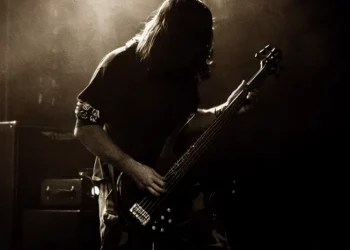
This phenomenon got here to the vanguard withinside the global of tune training while famend British jazz show Martin Speake parted methods with Trinity Laban Conservatoire of Music and Dance. After expressing his skepticism approximately crucial race principle and the perception of systemic racial inequality in British jazz, Speake confronted fast backlash. Students boycotted his lessons, venues distanced themselves, and the organization presented him a non-coaching role, which he declined, main to his resignation. Speake, who committed 24 years to the conservatoire, is now pursuing criminal action, highlighting the emotional and monetary toll cancel tradition can actual on public figures, no matter their purpose or expertise. Supporters argue his proper to unfastened speech became infringed, at the same time as detractors insist communal cohesion outweighs person dissent—an issue that reverberates properly past the jazz classroom.
In politics, scholar activist Kamohelo Chauke witnessed firsthand how ideological mobs can stifle debate and restrict courage. After publishing perspectives on South African overseas policy, which challenged time-honored birthday birthday celebration strains regarding Israel and Palestine, Chauke became centered through viral on line requires expulsion. Rather than debating the deserves of his argument, critics demanded fast cancellation. Chauke describes this sample as an attempt to update highbrow contestation with ethical panic, silencing nuance in prefer of conformity. He contends that proper development calls for tolerance of dissenting voices and a willingness to engage, despite the fact that it method hard loved ideals inside one’s personal political movement.
The amusement enterprise gives its personal cautionary tales. Quotes from celebrated figures of beyond decades—John Lennon, Richard Pryor, Joan Rivers—exhibit how ultra-modern weather may be a ways much less forgiving of provocative speech. Lennon’s playful commentary approximately recognition as compared to Jesus, Pryor’s boundary-breaking statement on race, and Rivers’ self-deprecating humor approximately her identity, as soon as acquired with applause or controversy, might now danger fast public condemnation and profession jeopardy. Today’s celebrities stroll a tighter rope, balancing authenticity with heightened sensitivities and evolving social norms.
Amid those developments, the vital debates stay unchanged: Should society prioritize safety from offensive language or protect the proper to specific arguable opinions? Legal challenges, public boycotts, and institutional responses create an surroundings wherein each declaration is weighed now no longer simply for its content material however for its capability backlash.
The stakes on this cancel subculture weather are high—now no longer simplest for the ones on the middle of controversy however additionally for the wider subculture of debate, learning, and creative expression. Supporters of loose speech warn that mob-pushed censorship dangers highbrow stagnation, even as activists for responsibility argue that unchecked speech can perpetuate harm. As public figures, institutions, and normal residents navigate this evolving landscape, the road among optimistic complaint and outright cancellation grows ever thinner, making the look for stability each pressing and elusive.