










Cancel lifestyle has emerge as one of the maximum debated and divisive subjects withinside the leisure world, with stars, studios, and lovers all looking to determine while calling a person out becomes writing them off for good.
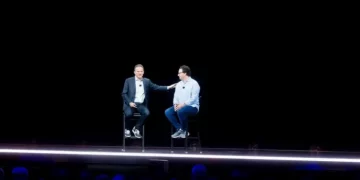
In a latest joint interview, actors Matt Damon and Ben Affleck addressed the phenomenon head-on, supplying their views on how cancel lifestyle keeps to reshape Hollywood. The duo, presently co-starring in “The Rip,” tackled the complexities of the issue, noting that selections as soon as made quietly via way of means of executives at the moment are performed out withinside the courtroom docket of public opinion. The stakes are high: careers can stall or stop altogether, tasks can get pulled, and reputations may also in no way recover—all on occasion as fast as a tweet can pass viral.
Studios, below strain from social media and keen to shield their brands, have began out reacting in report time while controversy strikes. It has emerge as not unusualplace exercise for productions to be paused and for inner critiques to be released at the primary signal of alleged misconduct. While a few applauded studios’ newfound cognizance on responsibility and transparency, others argue that those rapid selections, regularly made earlier than all of the information are known, can unfairly punish now no longer handiest the people on the middle of the talk however additionally the numerous group individuals whose livelihoods rely on those tasks.
Contracts in recent times regularly include expanded “morals clauses” to present studios the choice to distance themselves from any famous person whose beyond or gift statements may want to purpose public uproar. Unions now tune those trends too, searching for to make certain honest techniques for the ones accused, even as emphasizing the want for secure operating conditions. However, the traces are nonetheless blurred—what counts as a mistake really well worth forgiveness, and what makes a person clearly unredeemable?
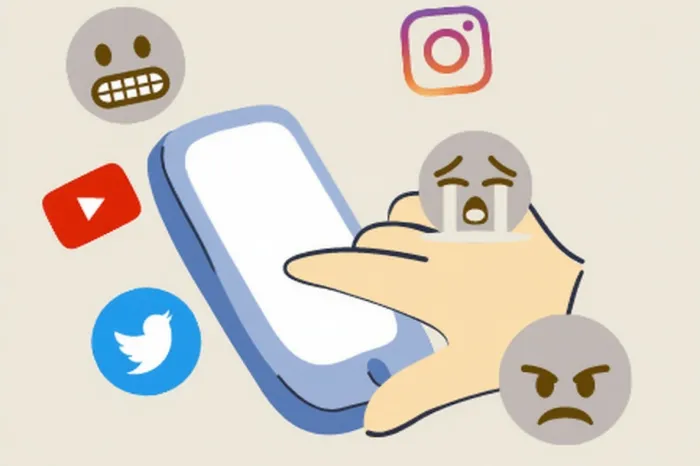
Social media’s position on this surroundings can’t be overstated. Public apologies are analyzed word-via way of means of-word, even as hashtags and trending subjects can gas backlash that forces enterprise leaders to behave overnight. As Damon and Affleck noted, judgment calls that was once private, negotiated subjects at the moment are witnessed and weighed via way of means of millions.
This anxiety among responsibility and redemption is checking out Hollywood’s values. Damon has formerly commented at the evolution of public conversations, highlighting how moving societal norms can extrade what’s taken into consideration proper conduct nearly overnight. Affleck, for his part, has spoken at the significance of giving humans a danger to confess wrongdoing and make amends, urging the enterprise now no longer to rule out boom and 2nd chances.
It’s now no longer simply film stars feeling the impact. Musicians, too, discover themselves goals of cancellation—and sometimes, the irony is sufficient to make comedians out people all. Case in point: artist Holly Valance launched a tune approximately cancel subculture, handiest to have Apple Music pull the tune altogether. Observers quick talked about the paradox—a tune satirizing cancel subculture in the end gets… well, canceled. That cancellation, of course, sparked a 2nd spherical of on line snark, with critics noting that rather more debatable content material stays to be had at the same time as tune thinking the machine became deemed too risky.
The debate round cancel subculture frequently circles again to at least one crucial question: Who comes to a decision what’s unforgivable, and what counts as a proper apology or significant change? In a few cases, the ones accused face everlasting expert exile, even after public atonement or time has passed. For others, paths again to recognition appear to be had, frequently relying on the character of the offense, the sincerity of the apology, and, perhaps, the whims of social media.
For now, Hollywood—and the wider enjoyment industry—appears destined to hold wrestling with cancel subculture and its consequences. Studios need to keep away from scandals that harm the lowest line. Audiences need higher behavior, however critiques fluctuate wildly on when—or if—a person merits a 2nd act. In the end, it could now no longer be Twitter or TikTok however time that comes to a decision whose reputations get rebooted and whose credit fade to black.