







Artificial intelligence has grow to be a riding pressure withinside the amusement enterprise, igniting lively debate, reshaping innovative workflows, or even taking center-degree in main events. From Hollywood’s ongoing reckoning with AI-generated content material to Super Bowl classified ads ruled via way of means of superior algorithms, the presence and effect of synthetic intelligence in amusement suggests no signal of slowing down.
At this year’s Super Bowl, frequently dubbed the ‘AI Bowl’ via way of means of insiders, main tech businesses showcased their AI talents with high-profile commercials. The champion game, watched via way of means of over a hundred thirty million people, noticed marketing and marketing spots averaging $eight million for 30 seconds, wherein AI now no longer handiest powered the merchandising however have become the message itself. Startups like Anthropic made headlines via way of means of satirizing competition of their commercials, whilst OpenAI reminded audiences that “now all and sundry can create something.” Tech giants Amazon, Meta, and Google additionally joined the fray, selling their AI-powered assistants and platforms. Even a vodka emblem prominent itself via way of means of generating its complete industrial with AI—a robotic attends a party, dances, and, probably, would not fear approximately spilling beverages on its motherboard.
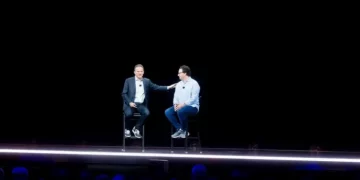
The developing use of AI in amusement is extra than only a advertising and marketing trend. It has precipitated each pleasure and alarm during the innovative industries. Events like the approaching CreaTech Network Series, set to discover AI’s have an impact on throughout film, television, games, and cultural heritage, spotlight now no longer handiest the realistic utility of AI however additionally the questions it increases concerning innovative collaboration, ethics, and economics. Panels, lightning talks, and Q&A periods goal to address those demanding situations head-on, connecting academics, artists, technologists, and enterprise companions as they chart a route forward.
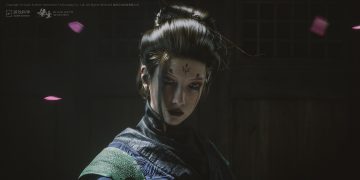
But the talk over synthetic intelligence is going some distance deeper than occasion schedules or marketing and marketing budgets. Darren Aronofsky, a famend director recognised for visually hanging films, these days released an AI-generated lively collection referred to as The Blessing. Instead of praise, his test attracted grievance from artists and animators who see the assignment as each a classy unhappiness and a risk to their profession. Critics argue that, irrespective of how superior the software, AI-generated imagery is essentially not able to duplicate the nuance and intentionality of human creativity. Some evaluate the AI visuals to algorithmic content material that floods social media feeds—technically novel, however, as one artwork critic placed it, “as soulful as a bowl of on the spotaneous noodles.”
The controversy has additionally sparked broader questions on the supply of AI’s creativity—specifically, whether or not AI education facts consists of artwork from creators who in no way agreed to have their paintings used. This situation has ended in complaints and regulatory scrutiny, highlighting the moral complexities surrounding generative AI. Aronofsky, meanwhile, defends his paintings as a herbal evolution in storytelling, drawing parallels to beyond improvements like sound and CGI. Supporters argue that AI ought to turn out to be some other device for artists, increasing opportunities as opposed to changing them.
Yet for lots withinside the enjoyment business, this second feels rather different. Where preceding generation revolutions—which include the leap from realistic results to pc graphics—nonetheless trusted giant groups of professional humans, generative AI might also additionally permit a unmarried man or woman to do the paintings of a whole studio. The chance to livelihoods is immediate, compounded via way of means of layoffs throughout fundamental animation studios. Against this backdrop, the frenzy for greater AI-generated content material is visible via way of means of a few as a ambitious experiment, and via way of means of others as a harbinger of innovative displacement.
Despite polarized opinions, there’s little question that synthetic intelligence will keep reworking enjoyment. Creative enterprise forums, open-supply toolkits, and high-profile tasks all sign a length of experimentation, anxiety, and opportunity. Whether AI augments human creativity or overshadows it can rely much less at the generation itself than on how enterprise leaders, regulators, and creators navigate this evolving landscape. For now, the highlight stays firmly at the intersection of innovation and artistry, illuminating the promise—and challenge—of AI in enjoyment.