













Country music has long celebrated drinking in its lyrics, with references to whiskey, beer, and wild Saturday nights forming the backbone of countless classic hits. But as Americans, especially younger generations, turn away from alcohol, the genre’s drinking songs and branded spirits face new uncertainty.
Recent polls indicate a significant reduction in alcohol consumption among Americans. Only a little over half of adults now report drinking—down from higher numbers in previous decades. This decrease is even more noticeable among Gen Z, signaling a cultural move away from the hard-partying image traditionally associated with country music.
Nashville, the heartland of country music, has also seen the impact. Ryan Gill, who pairs artists with whiskey brands, says finding musicians who drink has become unexpectedly difficult. Many new artists prefer to avoid alcohol, and a surplus of whiskey—built up during the pandemic—has led distilleries like Jim Beam to pause production temporarily. The challenges extend to marketing, as launching a whiskey label tied to a country star is harder than ever, according to industry experts.
Nevertheless, drinking songs remain embedded in the soul of country music. From classics like “Friends in Low Places” and “Tennessee Whiskey” to modern favorites such as Luke Combs’ “Beer Never Broke My Heart,” references to alcohol continue to appear in hit songs. Compilations of the best beer and whiskey anthems highlight the genre’s deep connection with drinking culture, offering soundtracks for summer barbecues, heartbreak, and late-night gatherings.
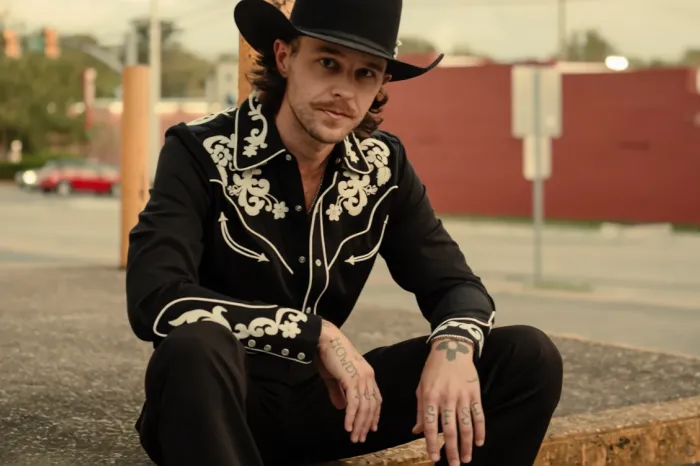
Still, artists are gradually exploring new directions. Tyler Halverson’s recent album, “In Defense of Drinking,” offers a playful and reflective take on modern life, mixing rodeo nostalgia with an honest look at drinking’s role. Even as festivals and parties build playlists around beer-themed anthems, musicians and producers wonder if the genre will need to shift its themes to remain relevant as Americans’ habits change. For now, country music’s bond with drinking endures, but its future could see more songs about mocktails—or entirely new traditions.