




















Patriotic songs have long played a complex role in American history, often serving as symbols of national pride while carrying pointed social critiques and protest messages. Tunes such as “Yankee Doodle” and “This Land Is Your Land” are widely recognized for their catchy melodies, yet their origins and lyrics reveal stories of defiance, satire, and sometimes harsh criticism of America itself.
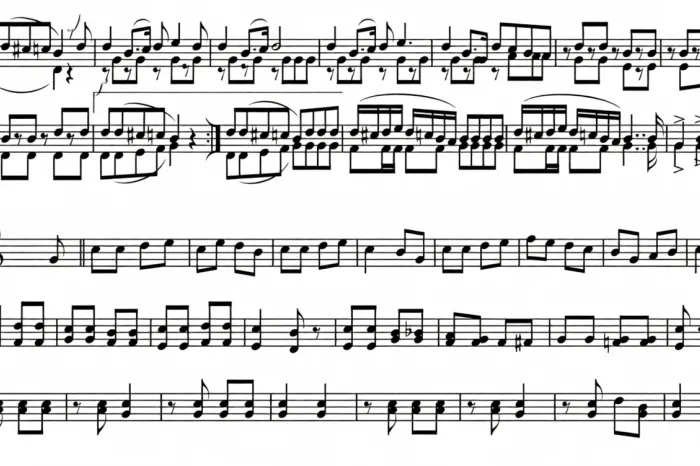
“Yankee Doodle,” one of the country’s earliest known protest songs, gained prominence during the American Revolution. Initially used by British soldiers to mock colonial Americans, the tune became a rallying cry for the Continental Army. Accounts of the Battle of Yorktown recount how the song was played as the British surrendered, marking an act of victory and defiance. Over time, “Yankee Doodle” was adopted by Americans and transformed into a patriotic anthem, although its original purpose was to ridicule the colonists. Its playful lyrics and melody made it easy to adapt for political satire and insult, with many variations appearing throughout history.
Historians and musicologists have traced numerous theories about the origins of “Yankee Doodle.” While some claim the song was written as early as 1755, others suggest it stems from European traditions or was later modified. Despite its uncertain beginnings, the song emerged as a folk tune that could be easily changed to address current issues. Lyrics often reflected political tensions, social divisions, and even personal attacks against American leaders, such as George Washington. Over centuries, the melody was used both to poke fun and to unify different groups during conflicts like the Civil War and the War of 1812.
The tradition of protest in American music continued into the twentieth century and remains strong today. Woody Guthrie’s 1940 anthem “This Land Is Your Land” is often taught to children as a celebration of America’s landscape but originally contained verses about inequality and injustice. Similarly, songs like Bruce Springsteen’s “Born in the USA” delivered critical commentary on the treatment of Vietnam veterans, yet are frequently misunderstood as endorsements of American values. Other tracks, such as Neil Young’s “Rockin’ in the Free World” and Creedence Clearwater Revival’s “Fortunate Son,” highlight issues about class inequality, war, and social challenges, often being mistaken for purely patriotic songs.
The complex history of American patriotic music is marked by irony, misunderstanding, and reinterpretation. Many tunes that sound like straightforward celebrations of the nation actually contain deeper meanings, encouraging listeners to reflect on problems in society. From protest anthems to songs of satire, American music continues to inspire debate and foster a critical perspective on patriotism, reminding us that lyrics and melodies can carry stories of both unity and dissent.