















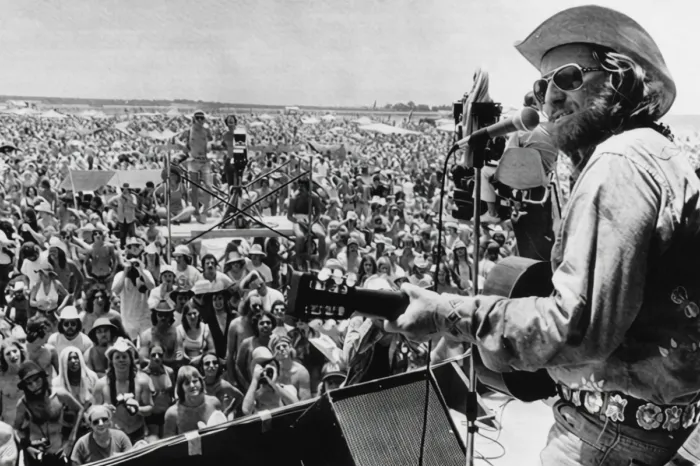
Music has played a powerful and enduring role in driving change during major social movements across American history. Protest songs have inspired, supported, and amplified the voices of those fighting for justice, from the Vietnam War era to the Black Lives Matter movement and recent actions against immigration policies.
James Sullivan, a pop culture critic and author, explains how songs have long been at the heart of activism, helping to create a sense of unity and strength among protesters. Sullivan notes that how a song is performed can sometimes turn even familiar tunes into powerful forms of protest. He references recent performances at large public events, like Super Bowl halftime shows, as examples of how artists use music to express political messages.
Sullivan’s research covers a wide range of protest songs. Some, such as “Which Side Are You On?” and “The Times They Are A-Changin’,” have become anthems for change. Others were born from specific tragedies or confrontations, like Neil Young’s “Ohio,” written quickly in response to the Kent State shootings, and Vic Mensa’s “16 Shots,” created after the killing of Laquan McDonald. Songs like these often serve as both calls for action and memorials to individuals lost in the fight for justice.
The intersection of protest and mourning has become a recurring theme in modern activism. University communities and artists have sometimes faced challenges when trying to use music for memorial purposes, especially when political messages are involved. One example discussed by Sullivan is a university’s decision to bar a faculty violinist from performing at a memorial service for a graduate whose death became a community rallying point, due to concerns about the artist’s protest-themed attire.
Sullivan also emphasizes that many music genres, including hip-hop and punk, are deeply rooted in protest and give voice to those who feel overlooked by mainstream society. He believes songs about change are still as common as ever—sometimes emerging quietly, sometimes echoing loudly through the actions and emotions of artists and communities. Even today, protest music continues to challenge injustice, inspire solidarity, and help movements push for a more fair and compassionate world.