





















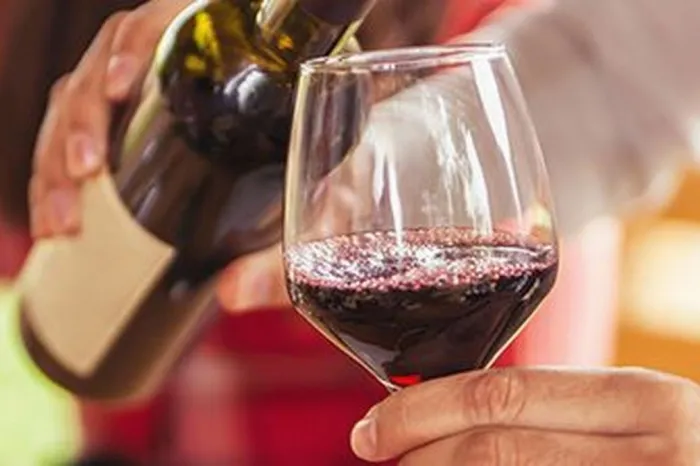
An Ode to the Ruby Glass: Red Wine Gets Its Moment
Gather round, o ye aficionados of fermented grape juice! It’s time to address the age-vintage question: how is red wine good for you? Is your nighttime glass a quick tune to immortality, or only a glorified grownup grape juice riot towards the salad to your fridge? Before you enhance any other toast to health, let’s swirl, sniff, and sip thru the statistics served up with the aid of using technology and nutrients experts.
What Makes Red Wine the Star of the Show?
Red wine is an awful lot extra than its radiant color—and, believe us, fashionably stained teeth. Its popularity as a cappotential health elixir comes right all the way down to the grape skins, pulp, and seeds which might be fermented along the juice. This introduces polyphenols galore, like quercetin, catechin, anthocyanin, and that all-famous person resveratrol—fancy names, however stay with us. These “plant compounds” sound like some thing out of a superhero movie, however their major process is to be antioxidants. They swoop in to neutralize loose radicals, allegedly slowing the relentless march closer to wrinkles (alas, now no longer taxes or Mondays).
Research says pink wine boasts ten instances extra polyphenols than white wine. Why? The grape skins live positioned longer all through fermentation, steeping the wine in antioxidants and the capacity to make us contemplate life’s mysteries, such as, “Should I actually have any other glass?”
Heart Health: To Drink or Not to Drink?
Let’s reduce to the chase: the coronary heart desires what the coronary heart desires—and sometimes, it desires wine. Moderate pink wine intake can also additionally aid cardiovascular health, with research hinting at a decrease threat for coronary heart sickness often for guys over forty and post-menopausal women. The trick is the word “moderate.” That’s now no longer wine-lake proportions, however in fact, just general glasses a week. (Sorry, everyone, however your wine rack needn’t attain the ceiling.)
But let’s get real. If you’re hoping to pass leg day on the fitness center just with the aid of using sipping merlot, technology isn’t pretty on board. There’s no magic shortcut for more youthful parents or the ones consuming heavily. In fact, consuming an excessive amount of could make your coronary heart rhythm dance a risky tango, and there’s developing proof even small quantities can also additionally growth threat of atrial fibrillation (attempt spelling that when your 0.33 glass).
Gut Instinct: Red Wine and Your Stomach’s Happy Dance
Polyphenols in pink wine can also additionally act as a buffet in your gut’s pleasant micro organism. These micro organism convert wine compounds into energetic chemicals, nudging your immune gadget and coronary heart to do their thing. Basically, your microbiome throws a celebration whilst wine polyphenols RSVP. Some research even say pink wine is probably extra mild on people with acid reflux disease disorder in comparison to its paler cousin. Still, moderation is key—until you need your digestive gadget to head on strike.
The Anti-Inflammatory Angle: Pour with Purpose
Tough day? You should attempt yoga, or you may attain for a touch resveratrol. This antioxidant, at the side of quercetin, can also additionally assist lessen infection and aid tissue repair. These compounds assist guard your LDL ldl cholesterol (higher called the “bad” guy) and maintain blood vessels healthful. For people with drama-susceptible ldl cholesterol degrees, crimson wine in small quantities may just tip the scales withinside the proper direction.
Sweet Spot: Insulin Resistance Gets the Red Card
Navigating the sector of blood sugar could make everybody crave dessert, but here’s a delectable tidbit: resveratrol in crimson wine can also additionally play a position in modulating blood sugar degrees and decreasing insulin resistance. Translation: your glass of cabernet may assist maintain glucose from throwing a tantrum—again, if fed on in moderation.
Pour Decisions: Science vs. Sentiment
Ah, but herein lies the plot twist! The World Health Organization formally labels alcohol as a “poisonous and psychoactive substance,” accountable for, we could say, less-than-glamorous worldwide health stats. Three million deaths according to yr isn’t always a badge of honor—despite the fact that they arrive with nifty cork collections. Even modest ordinary ingesting can up your hazard for obesity, sleep problems, excessive blood pressure, or sure cancers (hello, breast most cancers hazard for ordinary imbibers).
So, as a great deal as we need to accept as true with in wine’s magical powers, context is crucial. Those uncommon blessings have to be weighed towards way of life factors—and no, more cheese in your pizza does now no longer cancel them out. High degrees of alcohol also can disrupt sleep, impair judgment, and conflict together along with your medications, so if you’re thinking, “I’ll just have one greater for my health,” maybe keep on with just one.
And let’s now no longer forget: if you’re pregnant, breastfeeding, managing a health condition, or on sure meds, your wine desires can also additionally want to wait.
Navigating the Units: How Much Wine Is Just Right?
The UK Government, ever reliable, recommends capping your weekly alcohol devices at 14. Spread it over 3 or greater days and contain alcohol-loose days. For reference: a small 125ml glass of wine can comprise everywhere from 1 to 1.seventy five devices relying on its ABV. But beware—that appropriate outsized goblet at your favourite wine bar in all likelihood has a piece greater than 125ml!
The Healthiest Way to Enjoy Your Wine?
If you’re decided to maintain crimson at the menu, nutritionists recommend playing your glass along a meal. The polyphenols assist reduce digestive infection, the meals slows alcohol absorption, and overall, it’s just greater civilized than ingesting solo at the same time as binge-looking truth TV. Pairing wine with a heart-healthful meal can beautify each the taste and the blessings, reworking your dinner right into a sensory birthday party as opposed to a nighttime snack dash.
Wine Wisdom: The Final Sip
Let’s sum up, with a wink: purple wine gives exciting health perks like antioxidants, intestine support, cardiovascular protection, and capacity metabolic benefits. But earlier than you print a certificates asserting wine an official “health food,” consider the golden rule: moderation. Wine isn’t a cure-all, neither is it a price price tag to guilt-unfastened indulgence. If you are searching out antioxidants, blueberries, strawberries, and inexperienced tea deserve wine-degree hype—minus the hangover.
So, subsequent time you pour your self a glass, relish it for the taste, the ritual, and the conversation. Because withinside the end, the healthiest element approximately purple wine may just be the moments you share—and maybe, some exact laughs at just how complex our courting with wine just is.