


















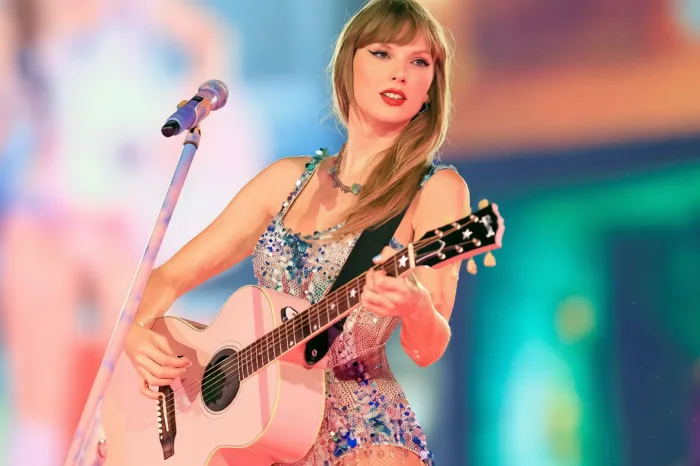
Taylor Swift’s newest album, released on October 3, has sparked a variety of responses, with many critics expressing disappointment regarding its overall impact. Despite the anticipation and excitement leading up to its release, the album has been described as lacking the emotional richness and originality that fans have come to expect from Swift’s previous work. Featuring 12 tracks, some listeners appreciate the consistent sound throughout but find the lyrics uneven and at times unconvincing.
Among the songs, “The Fate of Ophelia” received commendation for its compelling opening and literary references to Shakespeare, while “Elizabeth Taylor” stood out for its refined production and mature lyricism. On the other hand, tracks like “Opalite” and “Eldest Daughter” were criticized for feeling incomplete or less sophisticated. The production mixes playful experimentation with familiar pop sounds but does not always engage those seeking distinctive storytelling.
Critics also noted that while tracks such as “Ruin The Friendship” recall Swift’s earlier style with vivid imagery and emotional narratives, songs like “CANCELLED!” came across as awkwardly executed and off-putting. The album attempts to tackle themes including fame, love, and power dynamics; however, it ultimately falls short in offering fresh perspectives or meaningful depth. This has contributed to an overall impression that the album is somewhat mediocre compared to her past releases.
This reception raises broader questions about Swift’s current artistic path. Some commentators suggest she may be running low on new angles within the familiar themes of love and loss that have long defined her music. Despite high-quality production and collaborations with prominent producers, the album neither breaks new ground nor showcases significant artistic growth. Both fans and critics are hopeful she will take time to recharge creatively before her next project.
Commercially, the album is expected to perform well due to Swift’s loyal fan base. Still, many feel it lacks the passion and energy present in some of her most celebrated works like “1989.” This release marks a challenging moment in her career where expectations remain elevated but satisfaction with the music is mixed. Observers are keenly watching to see how Swift’s artistry evolves in coming years and whether she can regain the innovative spark that propelled her to global success.