





















Music has long played a vital role in expressing religious beliefs and shaping spiritual experiences across cultures. Recent events and studies highlight how songs about religion continue to influence communities, offering messages of faith, devotion, and cultural identity.
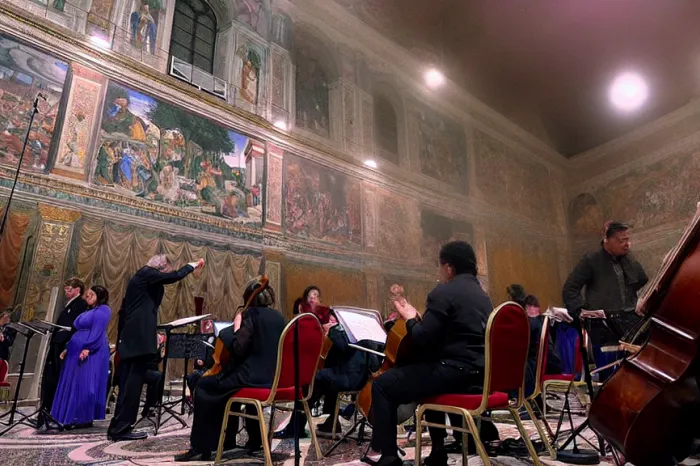
On March 22, 2026, the Vatican’s Sistine Chapel hosted a rare private concert featuring “Angels Unawares,” an oratorio composed by Sir James MacMillan. The piece draws on biblical stories of angelic encounters, performed by British choir The Sixteen alongside the Britten Sinfonia orchestra. The event was attended by prominent figures including Canada’s Prime Minister Mark Carney and former UK Prime Minister Theresa May. The composition’s English lyrics, written by the late Robert Willis, reflect the powerful role angels play as messengers and guides in various faith traditions. Cardinal Vincent Nichols highlighted the universal appeal of angels, emphasizing that the music speaks to people of many backgrounds and beliefs.
Meanwhile, in Bangladesh and India, folk songs centered on religious themes continue to shape cultural identity and women’s experiences. Nasrin Khondoker’s research into Bhawaiya folk music reveals how these songs express women’s desires, struggles, and spirituality within patriarchal societies. Bhawaiya music blends Hindu mythological imagery with everyday emotions, offering a unique voice for female subjectivity in North Bengal’s cultural landscape. Despite challenges from political and religious tensions, the tradition persists as a form of resilience and defiance against social constraints.
Closer to home in Johnson City, Tennessee, the annual Prayer Breakfast gathered hundreds of residents on March 30, 2026, to celebrate faith and community unity through prayer and devotional music. The event brought together diverse religious leaders, elected officials, and citizens who shared messages of hope and spiritual renewal. Mayor Sarah Wilkins described the breakfast as a meaningful reminder that people from different backgrounds can unite through shared faith values. This tradition highlights how songs about religion continue to foster fellowship and reinforce community bonds.
Together, these examples show that religious songs serve multiple roles—from honoring divine figures and sacred stories to empowering marginalized voices and promoting social harmony. Whether performed in historic chapels, rural villages, or modern city halls, devotional music remains a powerful tool for connecting individuals to their faith and each other.
As English-language religious compositions gain wider reach through broadcasts like the BBC’s airing of “Angels Unawares,” and as folk traditions adapt to changing social landscapes, songs about religion will likely keep influencing spirituality and culture worldwide. They inspire reflection on universal themes such as love, hope, identity, and belonging—offering comfort and strength in an ever-changing world.