







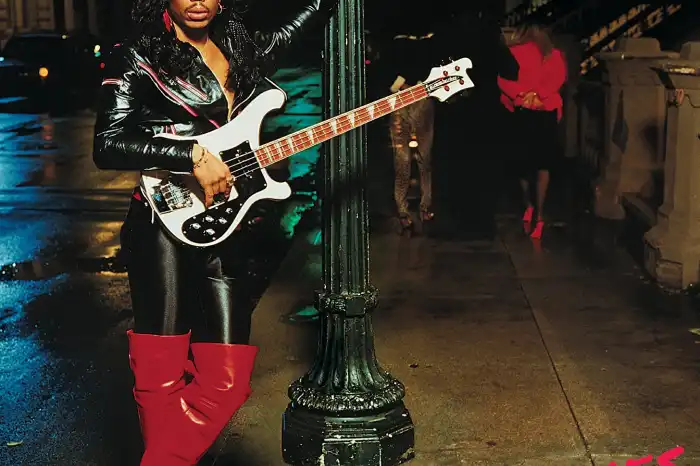
Rick James, famously known as the King of Punk Funk, made a powerful return with his album “Street Songs,” a work deeply rooted in his own experiences growing up in Buffalo’s Perry Projects. After a less successful attempt with a softer, Caribbean-inspired album, James shifted back to a rawer, grittier sound that vividly portrays the struggles and resilience of urban neighborhoods. The album serves as an unvarnished snapshot of street life, offering listeners an honest portrayal of people navigating the challenges of survival without casting judgment.
A Candid Exploration of Social Issues
“Street Songs” is notable for its direct engagement with pressing social themes. The track “Ghetto Life” introduces a cast of neighborhood characters such as pimps, prostitutes, and corner boys. Rather than condemning or glorifying these figures, James presents them with straightforward realism, allowing their stories to speak for themselves. Another poignant song, “Mr. Policeman,” tackles police harassment from the perspective of a Black man asserting his innocence. This track honors Bob Marley’s influence and pays tribute to lost friends, blending reggae rhythms with Stevie Wonder’s soulful harmonica.
Balancing Social Commentary with Themes of Desire
While the album confronts difficult realities, it also delves into themes of sexuality and relationships. Songs like “Give It to Me Baby” and “Super Freak” showcase James’ candid approach to desire through infectious beats and bold lyrics. Interestingly, “Super Freak,” initially intended as a playful joke, became one of James’ most iconic hits and earned him a Grammy nomination. This success marked a significant moment for Black artists crossing over into rock categories.
Memorable Collaborations and Emotional Depth
One standout track is the duet “Fire and Desire,” where James and Teena Marie exchange heartfelt confessions about love and heartbreak. Although it was never released as a single, this ballad became a cherished staple on R&B radio for years. The album also features collaborations with Motown legends like the Temptations and Stevie Wonder, creating a sense of musical family that complements its bold lyrical content.
Creative Control and Lasting Impact
James took personal charge of writing, producing, and performing many instruments on “Street Songs,” highlighting his artistic control during this pivotal comeback. He aimed to revive the spirit of classic Motown while pushing boundaries through explicit lyrics and sharp social commentary amid the Reagan era’s political climate. Today, “Street Songs” stands as a landmark album that blends funk, reggae, and R&B to tell honest stories about life’s hardships in America’s urban communities.