
















Hip-hop culture began in the Bronx, New York City, during the early 1970s, a time when the borough was marked by poverty, violence, and urban decay. On August 11, 1973, a back-to-school party at 1520 Sedgwick Avenue is widely recognized as the event that sparked the birth of hip-hop. Hosted by Cindy Campbell, the party featured her brother Clive Campbell, known as DJ Kool Herc, who introduced innovative DJing techniques that laid the foundation for this cultural movement.
DJ Kool Herc, originally from Kingston, Jamaica, brought his musical background to the Bronx after immigrating in 1967. Drawing from Jamaican sound system culture and a variety of music genres like funk, soul, jazz, and gospel, he developed a unique style. At the Sedgwick Avenue party, Herc used two turntables to extend the instrumental breaks—known as “breakbeats”—in songs. By playing these breaks back-to-back on separate turntables, he created longer dance segments that energized the crowd and encouraged new styles of dancing.
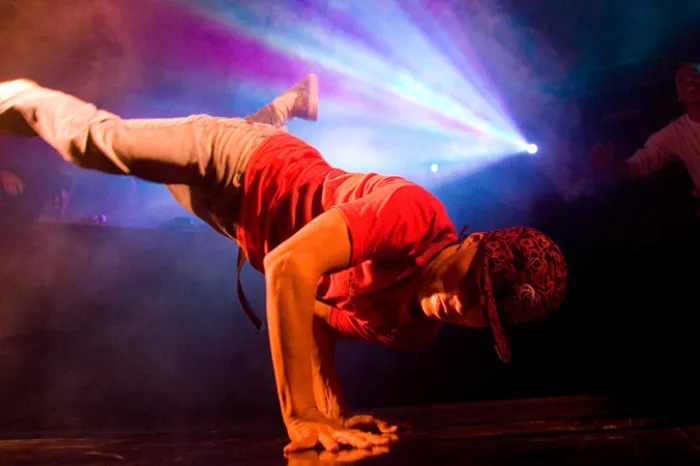
This technique was groundbreaking because it emphasized rhythm and percussion over melody, fostering an environment where dancers known as B-boys and B-girls could showcase their moves. The music was accompanied by MCs or Masters of Ceremonies who began to rap or speak rhythmically over the beats, adding another creative layer to the parties. This combination of DJing, breakdancing, rapping, and graffiti art eventually formed what we now recognize as hip-hop culture.
The Bronx in the early 1970s was struggling with social challenges including high crime rates, abandoned buildings, racial segregation, and economic hardship. Despite these difficulties—or perhaps because of them—young people turned to music and dance as an outlet for expression and community building. The block parties hosted by DJs like Kool Herc became safe spaces where youth could gather and celebrate their culture.
Hip-hop’s influence quickly grew beyond these local gatherings. DJs such as Grandmaster Flash and Afrika Bambaataa expanded on Herc’s techniques, while MCs honed their lyrical skills. By the late 1970s and early 1980s, hip-hop started appearing on records and radio stations. Landmark tracks like “Rapper’s Delight” by The Sugarhill Gang brought hip-hop into mainstream consciousness.
Over time, hip-hop evolved into a global cultural phenomenon that includes music, dance, visual art, fashion, and social commentary. It has become a powerful voice for marginalized communities worldwide. Institutions like the Universal Hip-Hop Museum celebrate its history and ongoing impact.
In recognition of its origins, August 11 has been officially designated as “Hip Hop Celebration Day” by the U.S. Congress. The legacy of DJ Kool Herc and that historic party at Sedgwick Avenue remain central to understanding when hip-hop started and how it transformed from a Bronx block party into a worldwide cultural force.