



















Money has long been a powerful theme in music, inspiring artists to explore its influence on life, relationships, and society. From early Motown hits to modern rap anthems, songs about money reflect a wide range of emotions—from desire and ambition to frustration and critique.
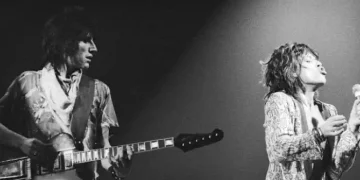
One of the earliest and most influential songs about money is “Money (That’s What I Want),” first recorded by Barrett Strong in 1959. Written by Berry Gordy Jr. and Janie Bradford, this Motown classic boldly expressed the straightforward desire for wealth. The song’s simple yet infectious rhythm helped shape Motown’s sound and later became a rock ’n’ roll staple through covers by artists like The Beatles and The Rolling Stones. The Stones’ 1963 version captured the raw energy of a band finding its voice, highlighting how American soul music inspired British rock.
Moving forward in time, the theme of money continued to resonate across genres. Pink Floyd’s 1973 hit “Money,” from their album The Dark Side of the Moon, used clever sound effects like cash registers alongside sharp lyrics to critique capitalism. Meanwhile, in the 1990s, hip-hop artists such as The Notorious B.I.G. explored the complexities of wealth with tracks like “Mo Money Mo Problems,” which became an anthem reflecting both success and its challenges.
Pop and rock artists have also contributed memorable money-themed songs. ABBA’s “Money, Money, Money” humorously addresses financial struggles despite dreams of riches, while Cyndi Lauper’s “Money Changes Everything” tells a story of love lost to materialism. Other notable tracks include Dire Straits’ “Money for Nothing,” which comments on celebrity wealth with irony, and Hall & Oates’ “Rich Girl,” inspired by real-life experiences with privilege.
Contemporary music continues this tradition with diverse takes on money. Bruno Mars teamed up with Travie McCoy on “Billionaire,” expressing aspirations for wealth in a catchy pop-rap style. Lady Gaga’s “Money Honey” contrasts love and materialism with dance beats, while Kendrick Lamar’s “Money Trees” offers a deeper narrative about growing up in challenging economic conditions.
Songs about money also serve as social commentary or protest. The O’Jays’ “For the Love of Money” warns about greed’s corrupting power, while George Harrison’s Beatles track “Taxman” criticizes heavy taxation during the 1960s. These songs remind listeners that money’s role in society is complex—both a motivator and a source of conflict.
Overall, music about money offers listeners a way to connect with their own experiences regarding wealth and value. Whether celebrating success, lamenting loss, or questioning societal priorities, these songs remain timeless reflections on one of life’s most influential forces.