













On April 14, Adas Israel Congregation will host a special event featuring Yiddish songs composed during the Holocaust, offering a powerful testament to human resilience amid adversity. The program, titled “Neshome Lider: Songs of Resilience from the Holocaust,” honors Yom HaShoah and showcases music created in ghettos, concentration camps, and displaced persons camps. Cantor Arianne Brown, who leads the event, described these songs as telling a profound story of survival and the shared human experience during one of history’s darkest periods.
The musical journey is a collaboration with renowned Yiddish musician Zalmen Mlotek and his son Rabbi Avram Mlotek. Zalmen Mlotek serves as artistic director of the National Yiddish Theatre Folksbiene, known for its deep expertise in Yiddish culture. His mother, Chana Mlotek, was a pioneering musicologist who researched and preserved many songs originally performed but never written down during the Holocaust. Her work made this important music accessible to future generations.
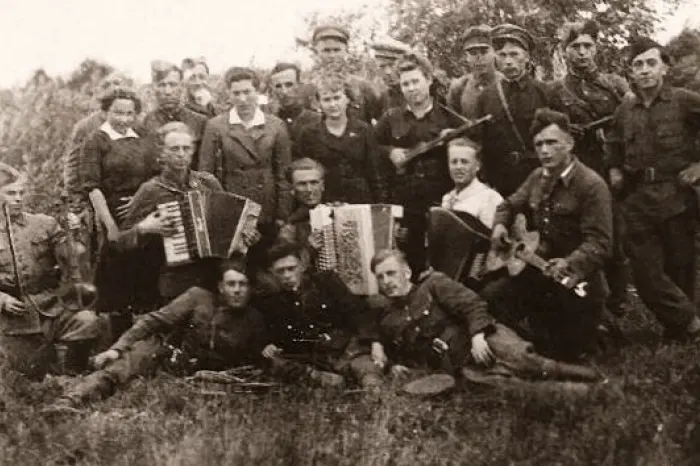
Brown emphasized that these songs were not only expressions of sorrow but also symbols of hope and community strength. In the ghettos, concerts and theater shows provided moments of emotional relief, and some songs spread widely because they deeply resonated with those who endured similar hardships. The program will include narration between songs to share biographical details about the composers and the historical context behind each piece. Lyrics will be displayed on screen to help the audience connect with their meanings.
One featured song, “Yugnt Hymn” or “Youth Hymn,” was dedicated to children’s groups in the Vilna ghetto. Brown highlighted how hearing children’s voices singing in such difficult times could uplift spirits and strengthen those around them. She described the lyrics as powerful first-person testimonies that, combined with music, reach deeply into listeners’ hearts and souls. The Yiddish word “neshome” means “soul,” reflecting the event’s aim to touch audiences emotionally and spiritually.
While rooted in remembrance, the program also celebrates inspiration found in these compositions. Some songs look forward to springtime or a brighter future, reminding attendees of human endurance and hope beyond suffering. Alongside the musical tribute, Adas Israel will honor Geertruida Wijsmuller through its Garden of the Righteous tradition. Wijsmuller was a Dutch social worker who helped save more than 10,000 Jewish children by organizing their escape via Kindertransport before World War II.
Isabel Bauer-Langsdorf, one of those saved by Wijsmuller, and her daughter will share stories of courage during the event. Brown stressed that preserving these songs is crucial both historically and for future generations. They connect people to the past while inspiring continued remembrance and resilience through music’s unique power to unite communities.