





















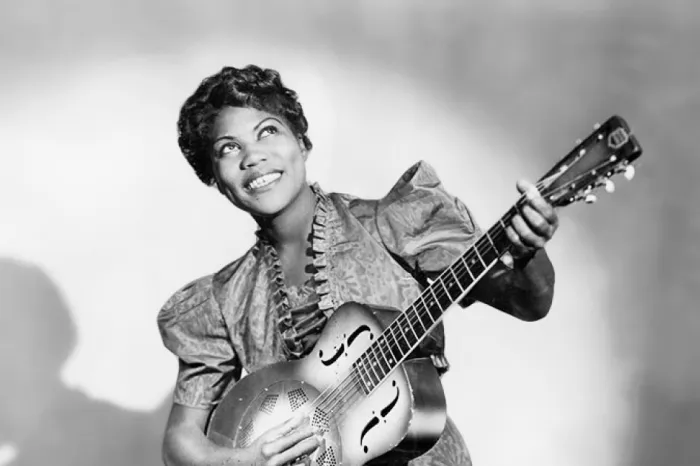
When people think of rock and roll, the image of Elvis Presley often comes to mind. However, the true origins of this influential music genre lie deeply rooted in the contributions of Black musicians such as Little Richard, Sister Rosetta Tharpe, Fats Domino, and Chuck Berry. These artists laid the groundwork for rock and roll by blending elements from blues, gospel, rhythm and blues (R&B), jazz, and folk traditions that emerged from African American communities.
The history of rock and roll cannot be separated from the African American experience. Starting from the era of slavery, Black Americans used spirituals and work songs as a way to communicate and express their struggles. These spirituals evolved into gospel music, which then influenced the development of blues—a genre that voiced the pain and hope of Black Americans living under Jim Crow laws. This foundation is essential to understanding how rock and roll emerged as a unique American sound.
The popularization of rock and roll was also shaped by a complex history of racial appropriation. White performers often covered songs originally recorded by Black artists, altering them to appeal to white audiences. For example, Elvis Presley’s hit “Hound Dog” was originally performed by Big Mama Thornton. Similarly, Pat Boone recorded versions of Little Richard’s songs that gained more commercial success than the originals. Despite these challenges, Black musicians continued to innovate and influence the genre profoundly.
Sister Rosetta Tharpe, often called the “Godmother of Rock and Roll,” was one of the earliest pioneers who combined gospel singing with electric guitar techniques that directly inspired later stars like Chuck Berry and Elvis Presley. Little Richard’s energetic vocals and flamboyant style broke racial barriers in the 1950s by attracting both Black and white fans. His hit “Tutti Frutti” was one of the first rock songs to achieve national popularity. Meanwhile, Fats Domino’s lively piano playing helped define the sound of early rock music.
Rock and roll also drew from other American music traditions such as country, folk, jazz, and blues. These genres contributed instruments like guitars and drums as well as themes centered on rebellion, love, and social issues. The term “rock and roll” itself originated in Southern gospel music, describing rhythmic movement during church sermons. Over time, this phrase evolved into a symbol of youthful energy and cultural change.
Despite its African American origins, rock and roll’s history has often been whitewashed in popular culture. This has led to many Black creators being overlooked or under-credited for their groundbreaking work. However, contemporary efforts using social media platforms have helped restore recognition by tracing creative origins more accurately. Scholars and musicians today emphasize revisiting these histories to honor the true architects of rock music.
In conclusion, rock and roll is a rich tapestry woven from diverse musical styles deeply connected to Black culture. Its creation was not the work of any single person but rather a collective evolution shaped by generations of Black artists who overcame systemic barriers. Recognizing these roots not only enriches our appreciation for rock music but also highlights important stories about race, culture, and creativity in America.